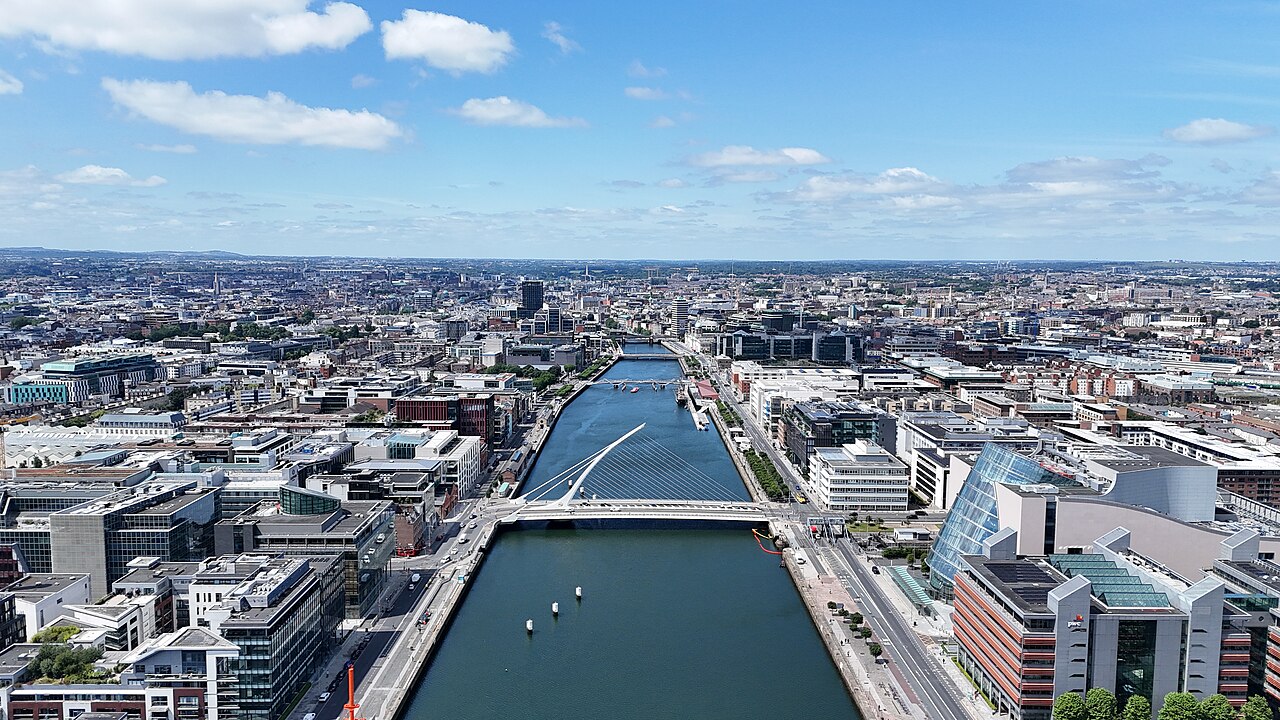
Dublin is a compact, walkable capital that is easy to underestimate. The city itself is smaller than most European capitals — the old centre can be crossed on foot in twenty minutes — but it has produced four Nobel laureates in literature, three of the most famous pubs in the world, and a cultural life that punches well above its weight. You come for the pubs, the books, and the people; most visitors leave wanting to come back.
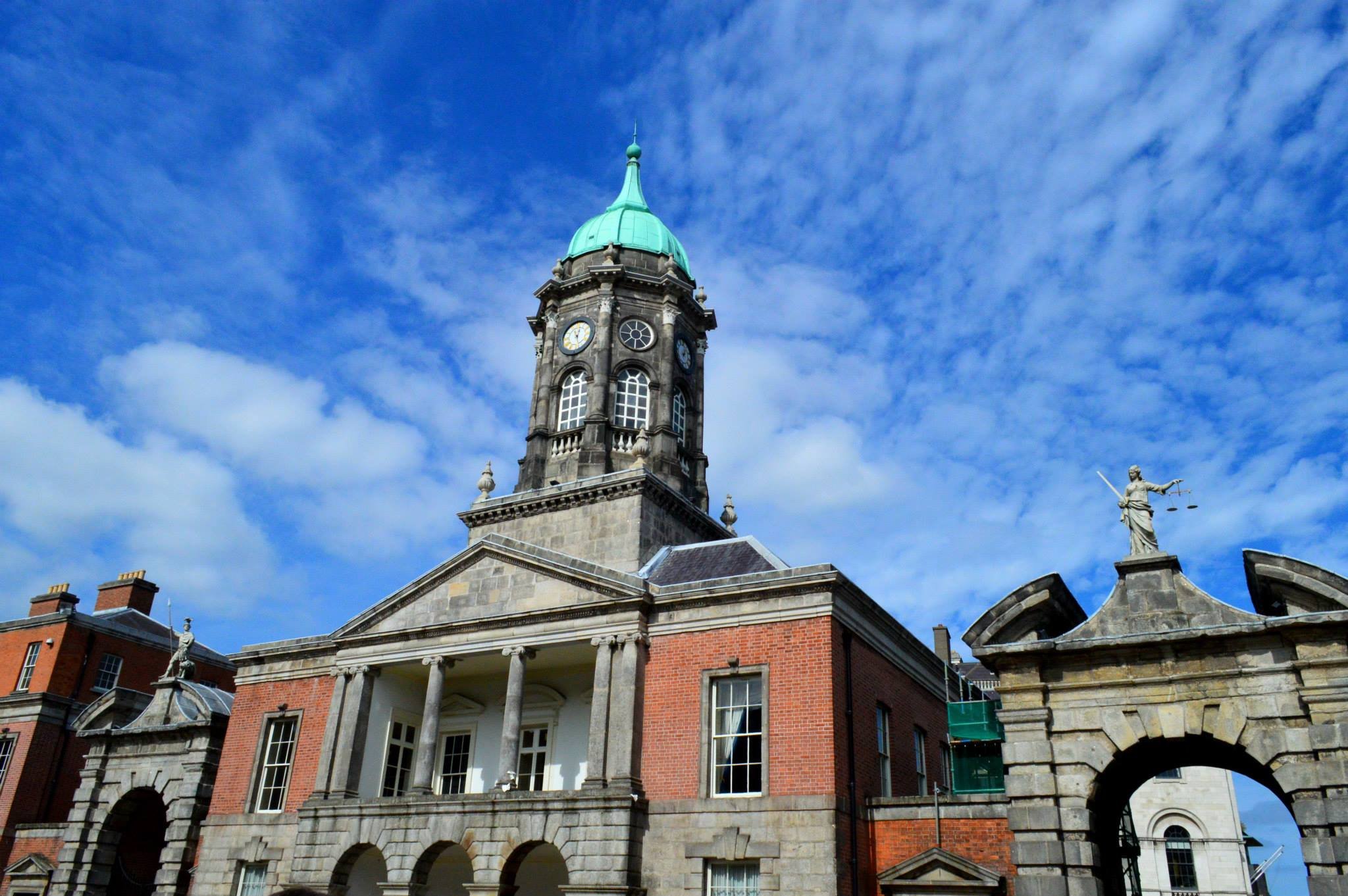
The River Liffey divides the city, with the grander Georgian quarters to the south. Trinity College — Ireland's oldest university, founded in 1592 — sits at the top of Grafton Street; the Book of Kells in its library is the usual first stop. Dublin Castle, the seat of British rule in Ireland for seven centuries, and the two great cathedrals — St Patrick's and Christ Church — are all within a ten-minute walk. Further west, Kilmainham Gaol, where the leaders of the 1916 Rising were imprisoned and executed, is a genuinely moving historical site. The National Gallery and the National Museum are both free and excellent.
The literary heritage is everywhere. Davy Byrne's on Duke Street — where Leopold Bloom stops for a gorgonzola sandwich in Ulysses — is still serving lunch. The James Joyce Centre in the north inner city and the James Joyce Tower at Sandycove (where Ulysses opens) are pilgrimage points. Yeats, Wilde, Beckett, Shaw, Joyce, and now more recent writers like Sally Rooney and Kevin Barry — Dublin takes its writers seriously and keeps them alive long after death.
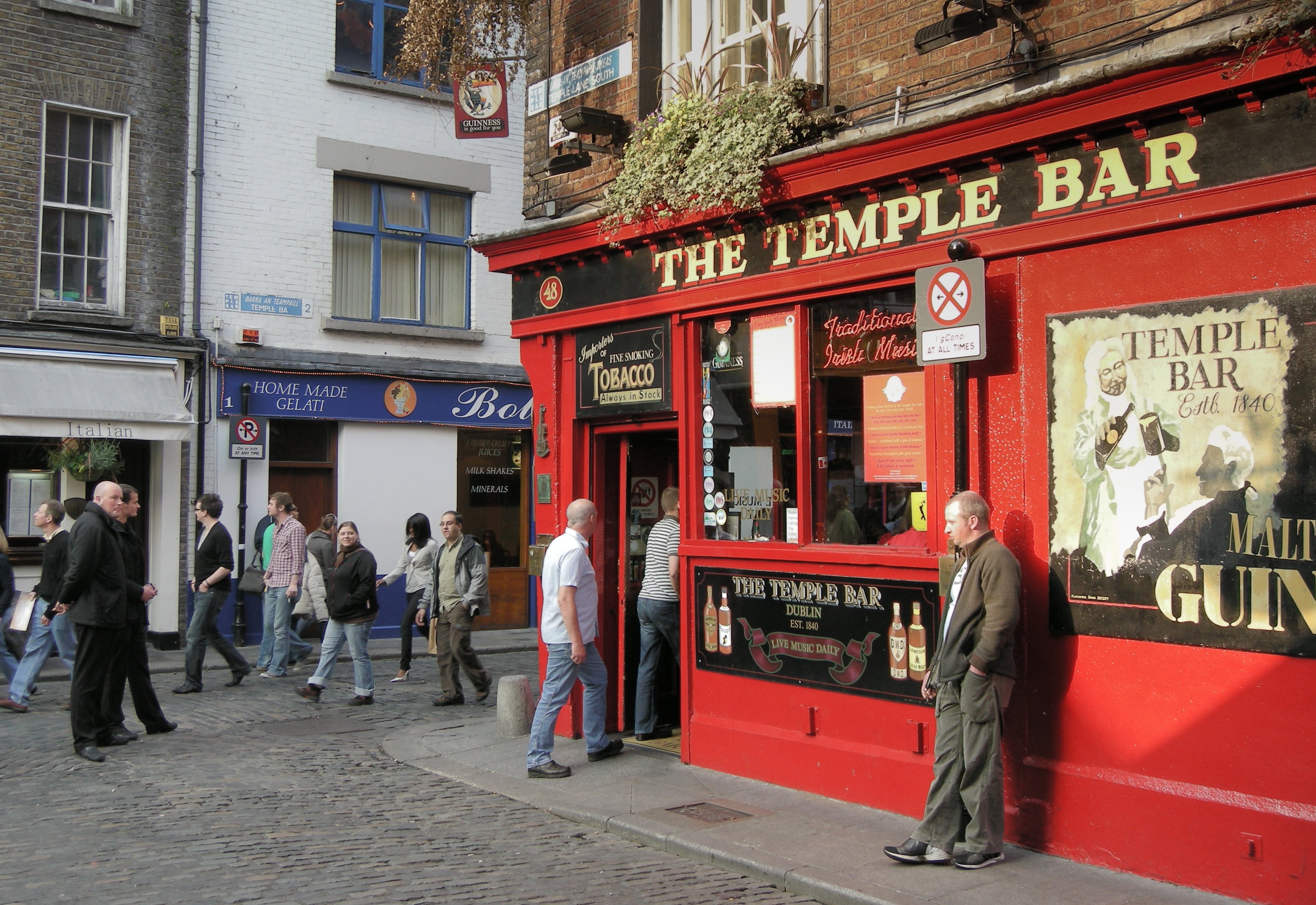
And the pubs. The Stag's Head, Mulligan's (the 18th-century pub Bloom drinks in), The Long Hall, Kehoe's, and Grogan's are all pubs of real character that have resisted over-modernisation. Temple Bar is the tourist-heavy music quarter — loud, crowded, and expensive, but the traditional music sessions are the real thing. Pubs are still social hubs here in a way they no longer are in most of Britain.
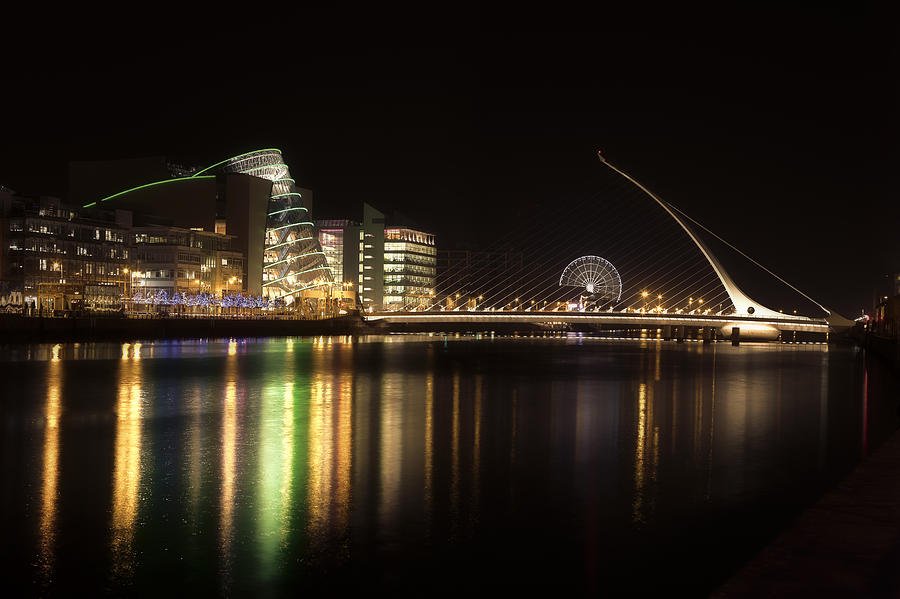
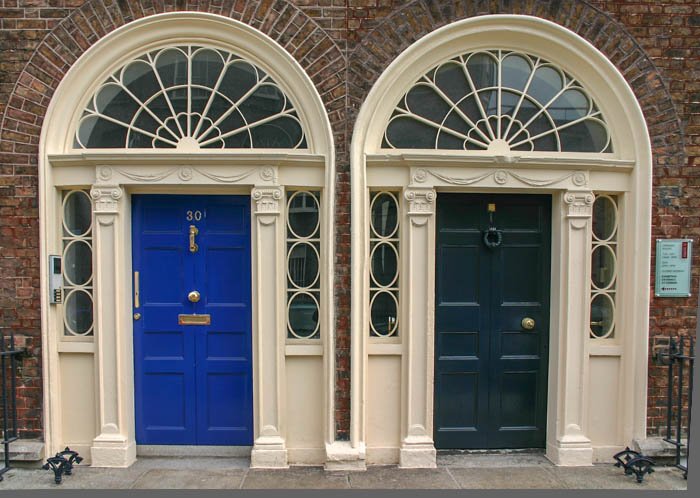
Dublin's neighbourhoods add texture. The Georgian squares south of the centre — Merrion, Fitzwilliam — are among the finest streets of 18th-century architecture in Europe. The Docklands has been transformed into a modern riverside district. Further out, coastal villages like Dún Laoghaire, Dalkey, and Howth are reachable in 30 minutes on the DART train and give you sea air and cliff walks on the doorstep of the city.
Summers are mild but rarely warm; rain is never far away. Bring a waterproof coat.