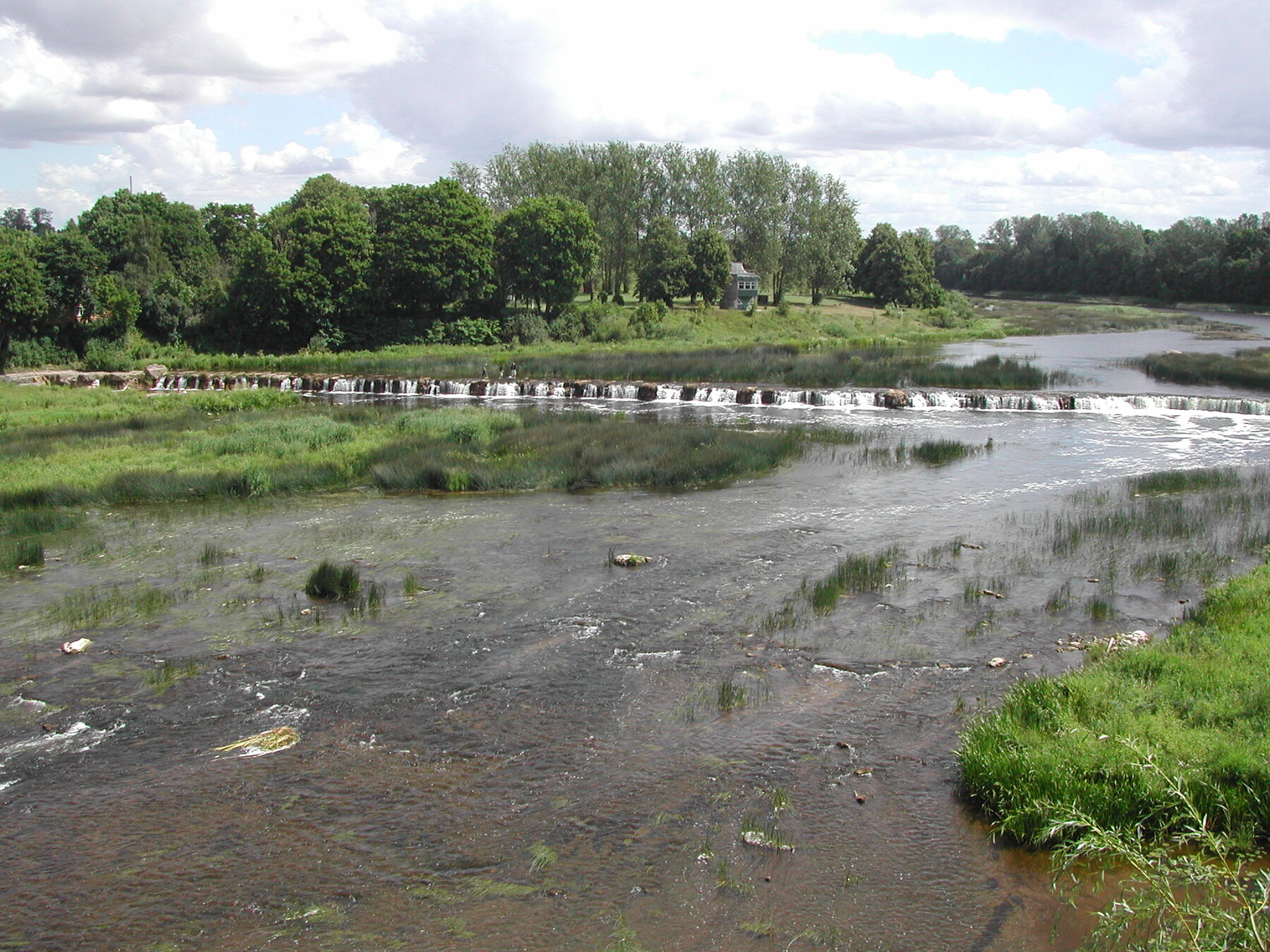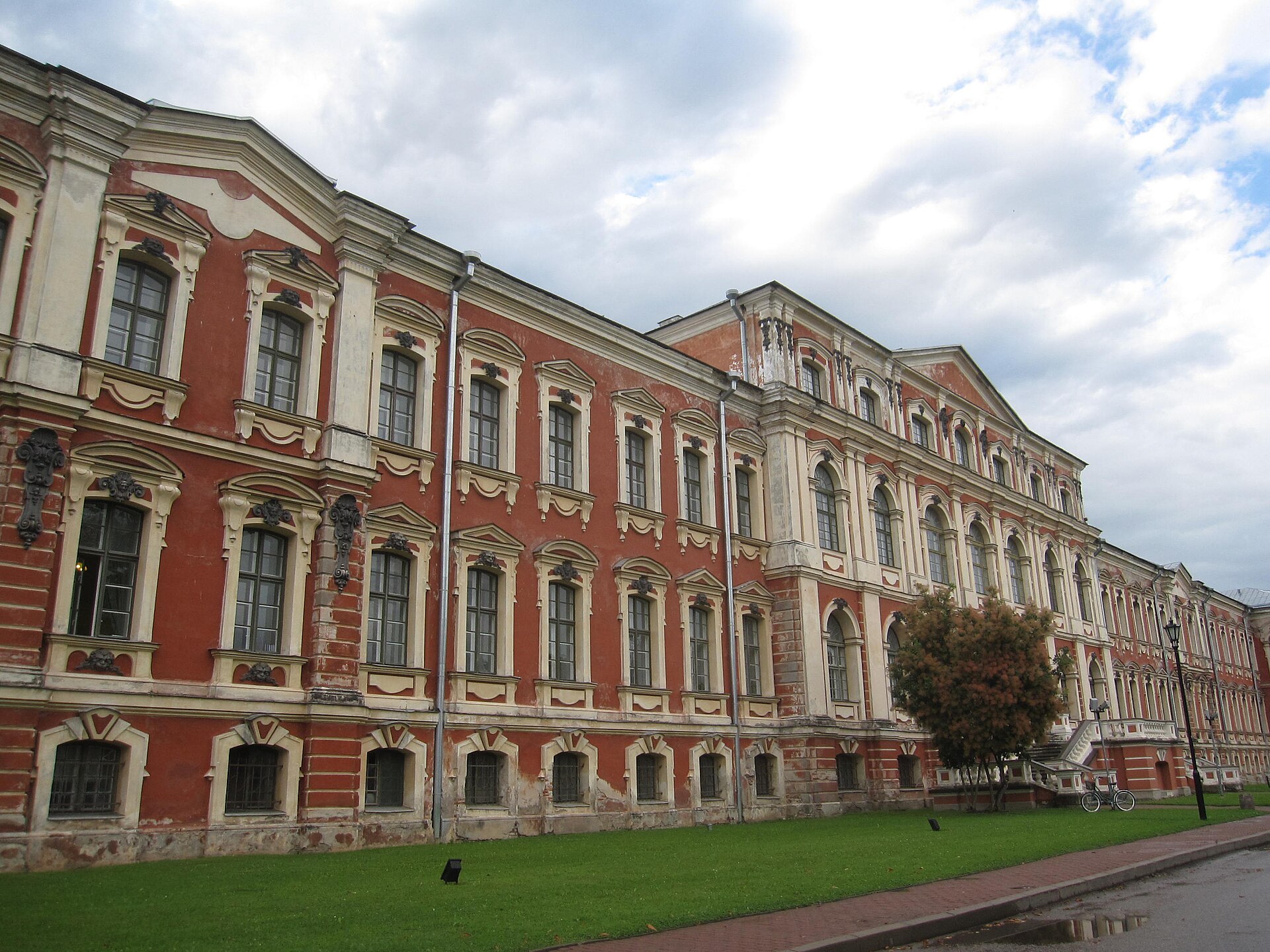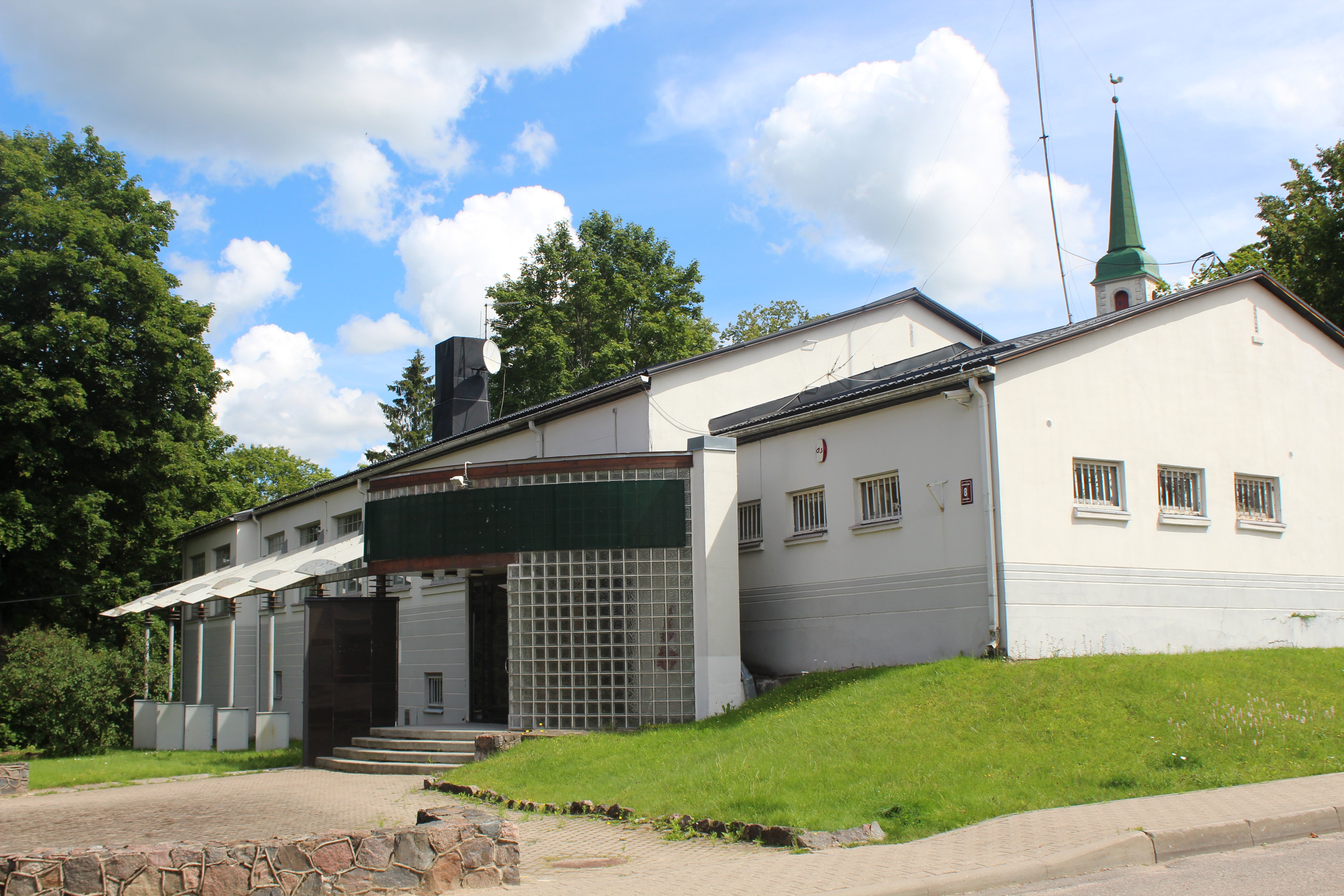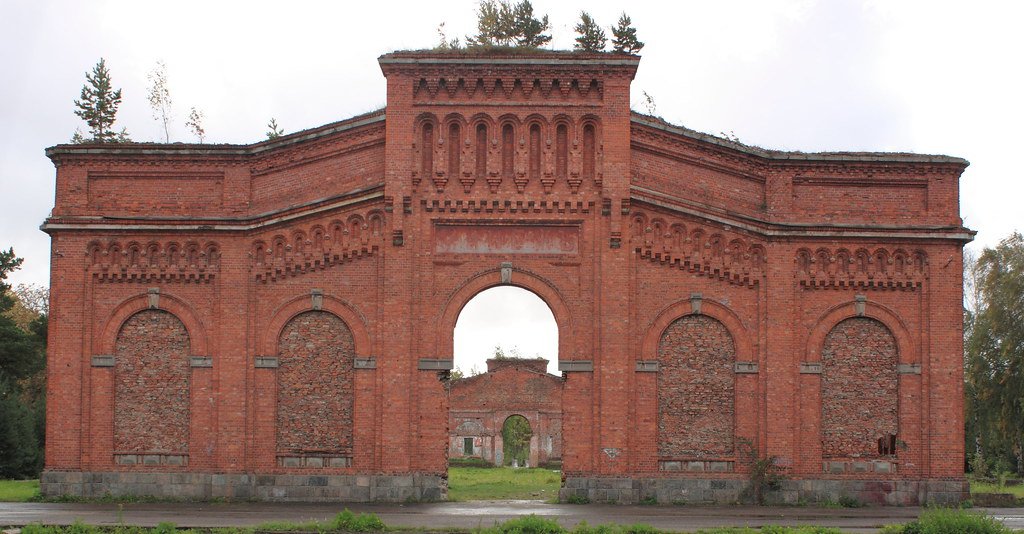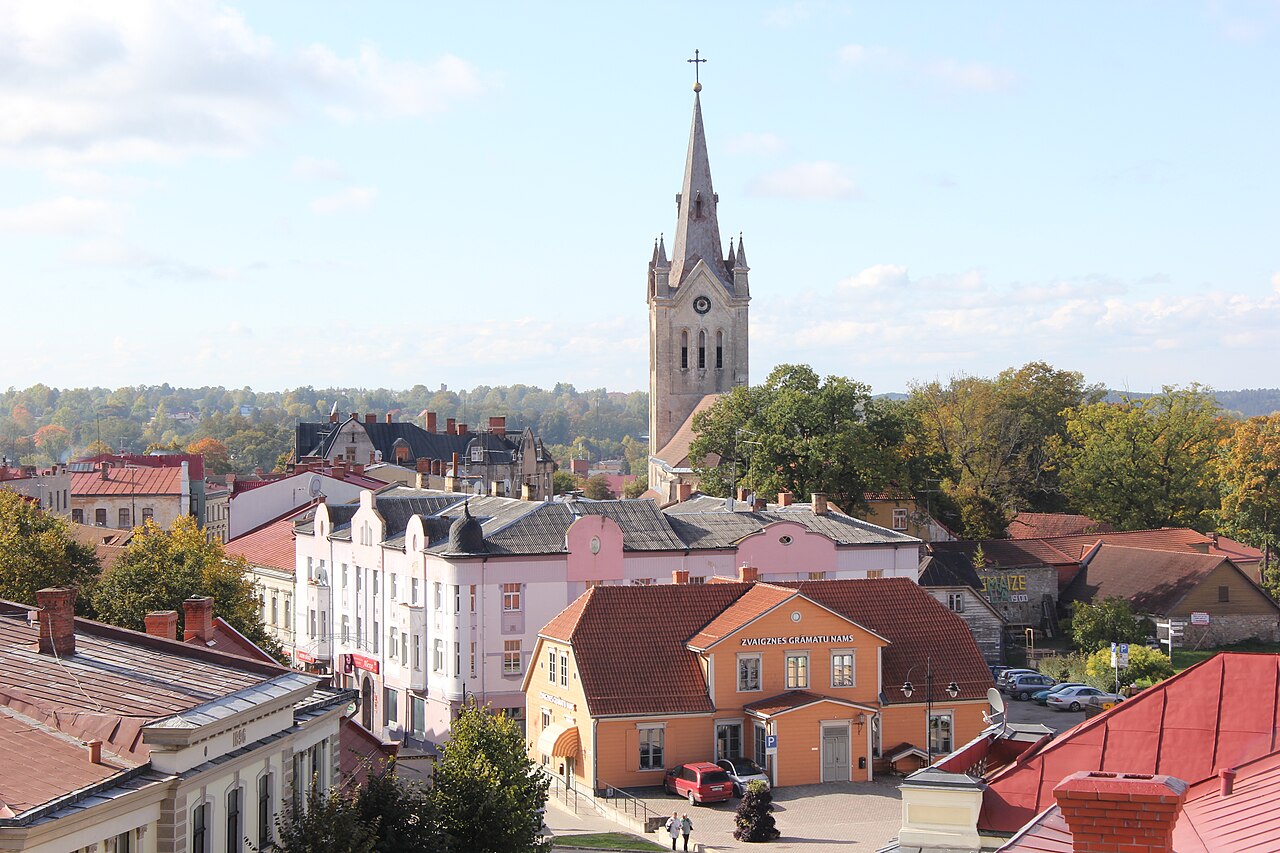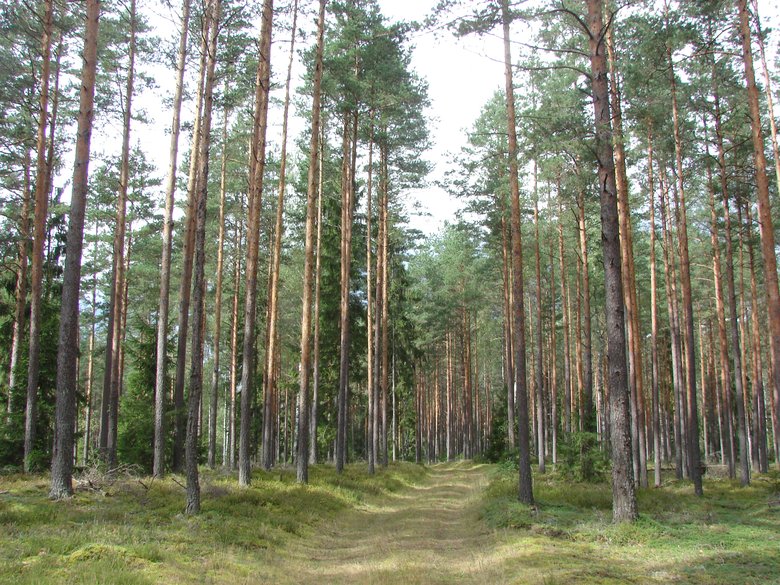
Latvia sits in the middle of the three Baltic states, between Lithuania to the south and Estonia to the north, with the Baltic Sea to the west and Russia and Belarus to the east. It's a small country — roughly the size of Ireland — and largely flat, with forests covering nearly half the land, a long sandy coastline, and a network of rivers draining into the Gulf of Riga.
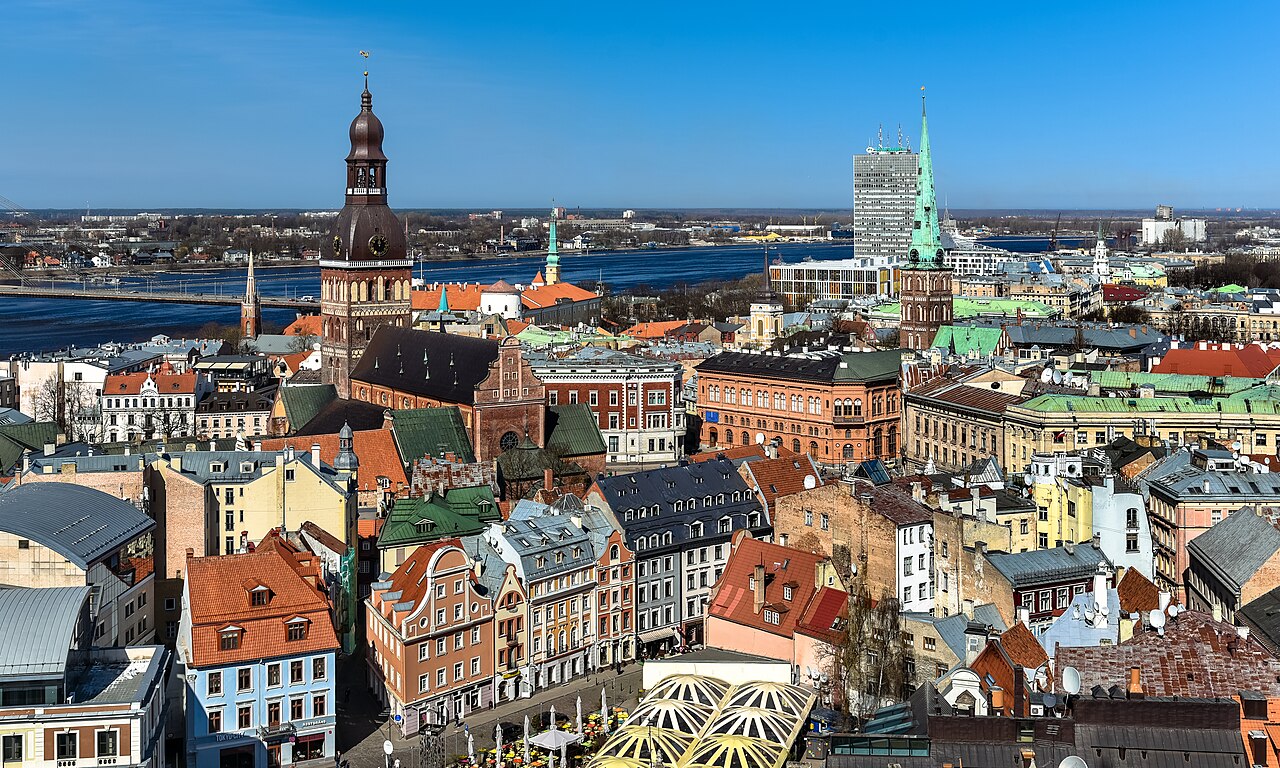
The country is less well-known than its capital, which is a fair enough summary: Riga is genuinely one of the finest cities in Northern Europe, with exceptional Art Nouveau architecture, a medieval old town, and a food and nightlife scene that punches well above Latvia's size. A third of all Latvians live there, and it's the natural starting point for any visit.
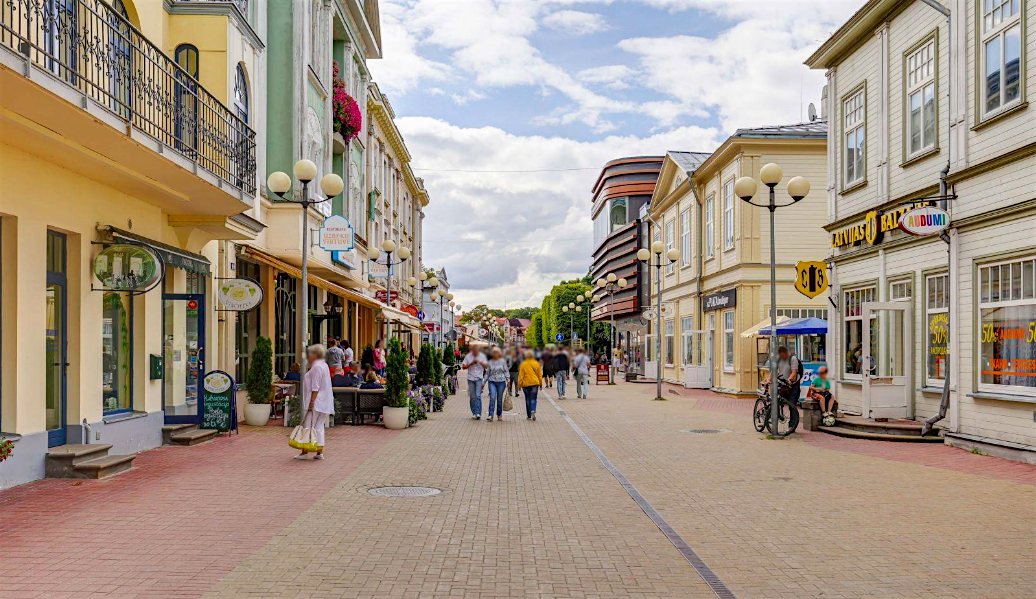
Beyond Riga, the main draw is the Gauja National Park — a forested river valley with medieval castles, sandstone cliffs, and the pleasant towns of Sigulda and Cesis. The west-coast city of Liepaja has good beaches and a remarkable 18th-century organ. Jurmala, a beach resort 25 minutes from Riga by train, has been pulling city dwellers out of the capital for over 150 years.
Latvia joined the EU in 2004 and adopted the euro in 2014. It's been a NATO member since 2004. The Russian invasion of Ukraine in 2022 had a particular resonance here — Latvia has a large Russian-speaking minority and a long history of Soviet occupation — and the country has been among the strongest supporters of Ukraine within the EU.
Latvia is affordable by Western European standards, easy to get around, and rarely crowded outside of Riga's tourist centre. Most sights can be seen as day trips from the capital, which makes logistics simple.