Liepaja is Latvia's third-largest city, on the west coast where the Baltic Sea meets the Liepaja Lake. It's a three-hour bus ride from Riga but worth the trip — the city has a lived-in character, good beaches, and a handful of genuine sights that reward a day or two.
The most extraordinary is the organ in Holy Trinity Cathedral: built in 1779, with 7,000 pipes and 141 stops, it's reportedly the largest surviving historically unreconstructed mechanical organ in the world. Recitals are held regularly; even if you aren't usually drawn to organ music, hearing it here is something else.
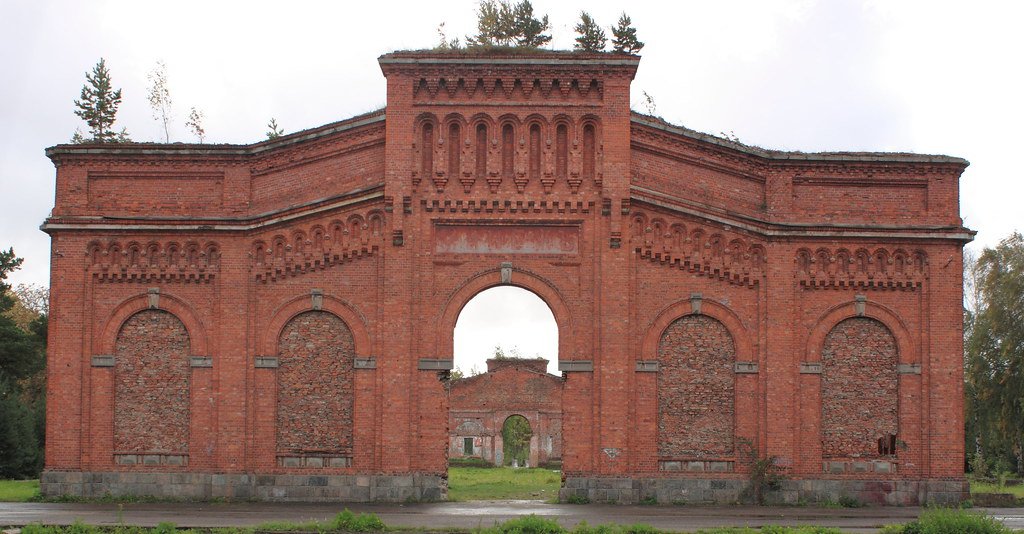
Karosta (Naval Port) is a large district north of the city centre that was built as a tsarist naval base in the late 19th century and subsequently used by the Soviet military until the 1990s. The scale is striking: an Orthodox cathedral, officers' mansions, fortifications, a Northern Breakwater you can walk out on. The old Karosta Prison offers tours and a deliberately uncomfortable overnight stay for those who want it. Further north, the Northern Forts are being slowly consumed by the sea.
The city beach is wide and backed by dunes, awarded a Blue Flag for water quality. In summer the city runs a programme of music festivals, including rock events that have made Liepaja something of a cultural capital for Latvian rock music.
The Liepāja Symphony Orchestra is the oldest professional symphony orchestra in the Baltic states, founded in 1921, now performing at the Great Amber Concert Hall. The wooden streets of Vecliepāja reward a slow afternoon walk south of the centre.