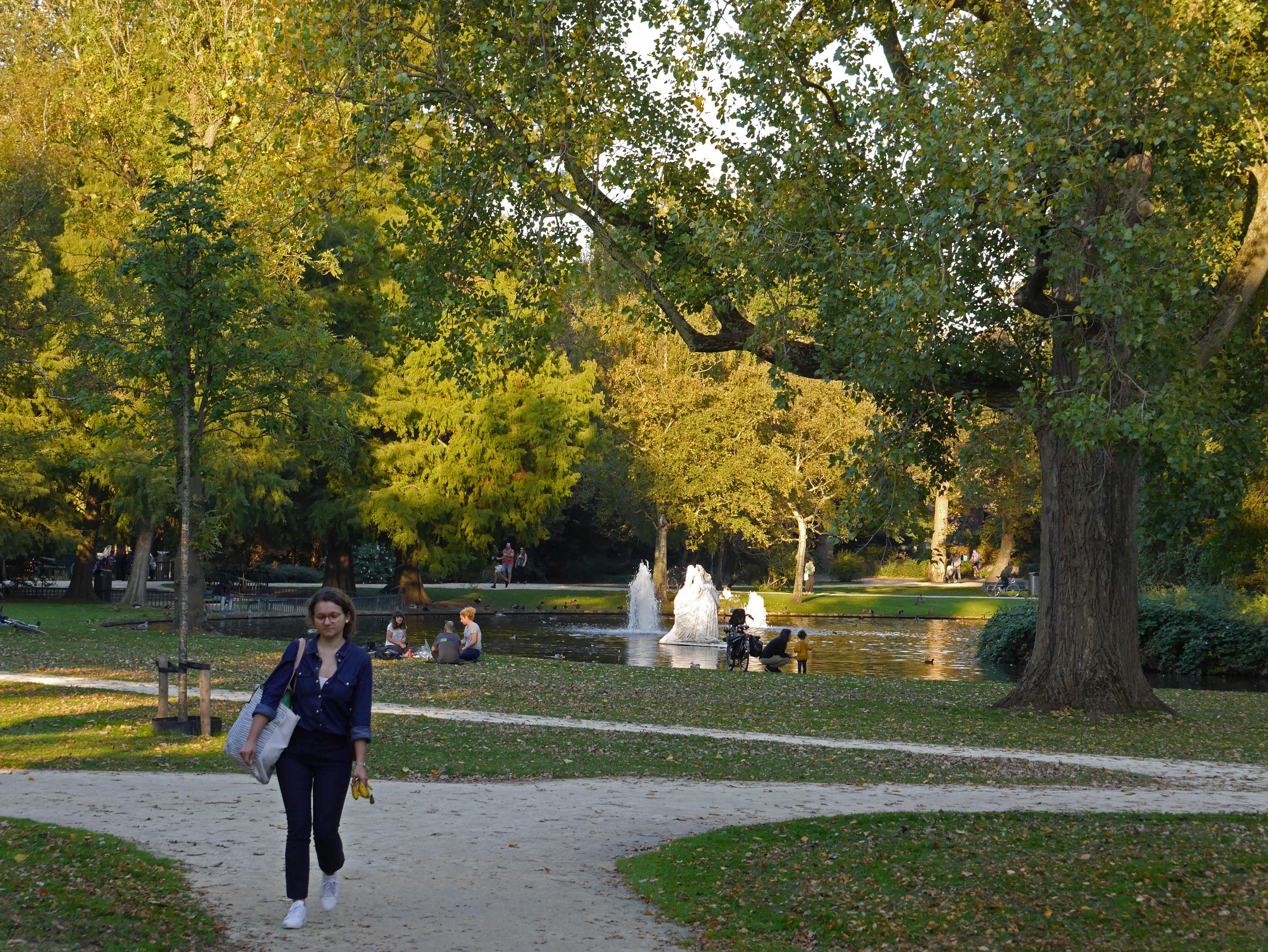
Westerpark takes its name from the park and the former Westergasfabriek — a Victorian gasworks complex whose ornate brick buildings have been transformed into one of Amsterdam's best cultural and dining destinations. The area sits just north of the Jordaan and west of the ring canals, close enough to the centre to be convenient but far enough to feel genuinely local.
The Westerpark itself is the main draw. The various gas-works buildings — the purification halls, the boiler house, the filtration building — have been adapted with considerable care into restaurants, bars, a cinema, and event spaces. Het Ketelhuis, in the old boiler house, specialises in Dutch film; Pacific Parc is one of the busiest terraces in the complex come summer; Mossel & Gin, on the park's western edge, is one of the better seafood restaurants in the city. The park is also used for major events: Robodock, Rollende Keukens (a festival of mobile kitchens in May), and outdoor film screenings.
The streets between Westerpark and the Jordaan — Nassaukade, Haarlemmerbuurt — have developed significantly in the last decade. Haarlemmerdijk and Haarlemmerstraat, running east from the park toward Central Station, are among the city's best streets for independent food shops, wine merchants, and specialty grocers. The range goes from artisan cheese to Japanese kitchen supplies within a few blocks.
The neighbourhood's residential streets north of the Haarlemmer canals are quieter and less visited than the areas closer to the centre. The characteristic architecture here is Amsterdam School — expressive brick housing blocks from the 1920s with decorated gables, arched windows, and sculptural detail that is quite unlike the sober canal-ring style.