Terceira
©
Terceira

Terceira

Azorean volcanic island anchored by Angra do Heroísmo, with lava caves, pastures, and Atlantic history

Terceira is the third-largest island of the Azores and, in many ways, the most layered. Its capital, Angra do Heroísmo, is a UNESCO World Heritage city — the streets of 15th and 16th century merchant houses, convents, and fortresses were designated in 1983, making Angra one of the earliest World Heritage cities on Atlantic soil. The island itself is a volcanic plateau ringed by dramatic sea cliffs, with a green interior punctuated by calderas, lava caves, and pasture.

Terceira sits at a crossroads: it has an international airport with direct connections to Lisbon, Boston, and Toronto, making it a more accessible first entry point to the Azores than São Miguel. The American military has maintained a base at Lajes since World War II, which gives the island a subtly different cultural character from the other islands.

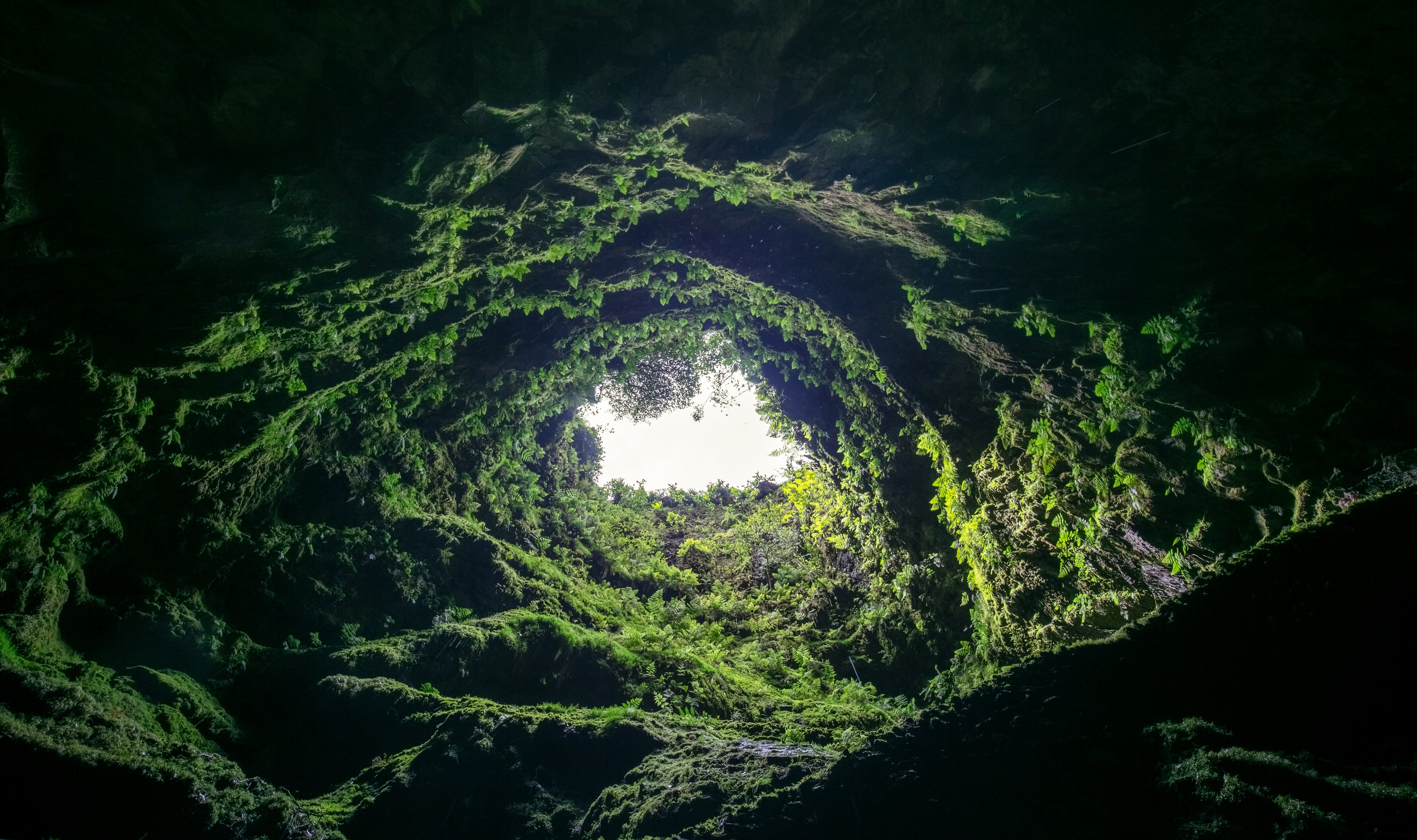
Beyond Angra, the island rewards exploration. The Algar do Carvão is a lava tube open to the public — one of the few in the world accessible on foot. The Monte Brasil peninsula forms a natural headland above Angra with views across the Atlantic. And the tourada à corda — the Azorean style of bullfighting, where the bull is held on a rope by men in traditional costume rather than killed — runs from May to September and is as much theatre as sport.

Guide

Getting There

Lajes Airport (TER) on Terceira's eastern coast has direct flights to Lisbon (around 2 hours), Porto, and several international routes including Boston and Toronto — making Terceira one of the most accessible Azorean islands from North America. SATA/Azores Airlines operates the main domestic and transatlantic routes. Ryanair and TAP Portugal serve the Lisbon route. Inter-island ferries connect Terceira to São Miguel in summer; the journey takes around 4 hours.

From the airport, taxis and car hire are available. A car is recommended for exploring beyond Angra — the island is compact (around 400 sq km) but the main sights are spread out. The drive from Lajes airport to Angra takes about 20 minutes.

Guide

Things to Do on Terceira

Terceira offers a mix of living history, volcanic geology, and Atlantic maritime culture. The capital Angra do Heroísmo is the main draw — it rewards at least a full day of walking — but the island's interior and coast have their own character. The tourada à corda, unique to the Azores, runs throughout summer and is worth seeing once.

Guide

When to Go

Terceira has a mild Atlantic climate year-round — temperatures rarely drop below 12°C in winter or rise above 26°C in summer. The island is rainier than you might expect: the Atlantic location and volcanic terrain combine to produce frequent showers even in summer, often passing quickly. June to September is the driest period and peak tourist season; this is also when the tourada à corda and the major summer festivals (including the Sanjoaninas in late June) take place.

Spring (April–May) is green, quieter, and often lovely. The hydrangeas that line the island's roads are in full bloom in June. Winter is mild but often grey and wet; the cave at Algar do Carvão and the museums of Angra are the sensible targets.