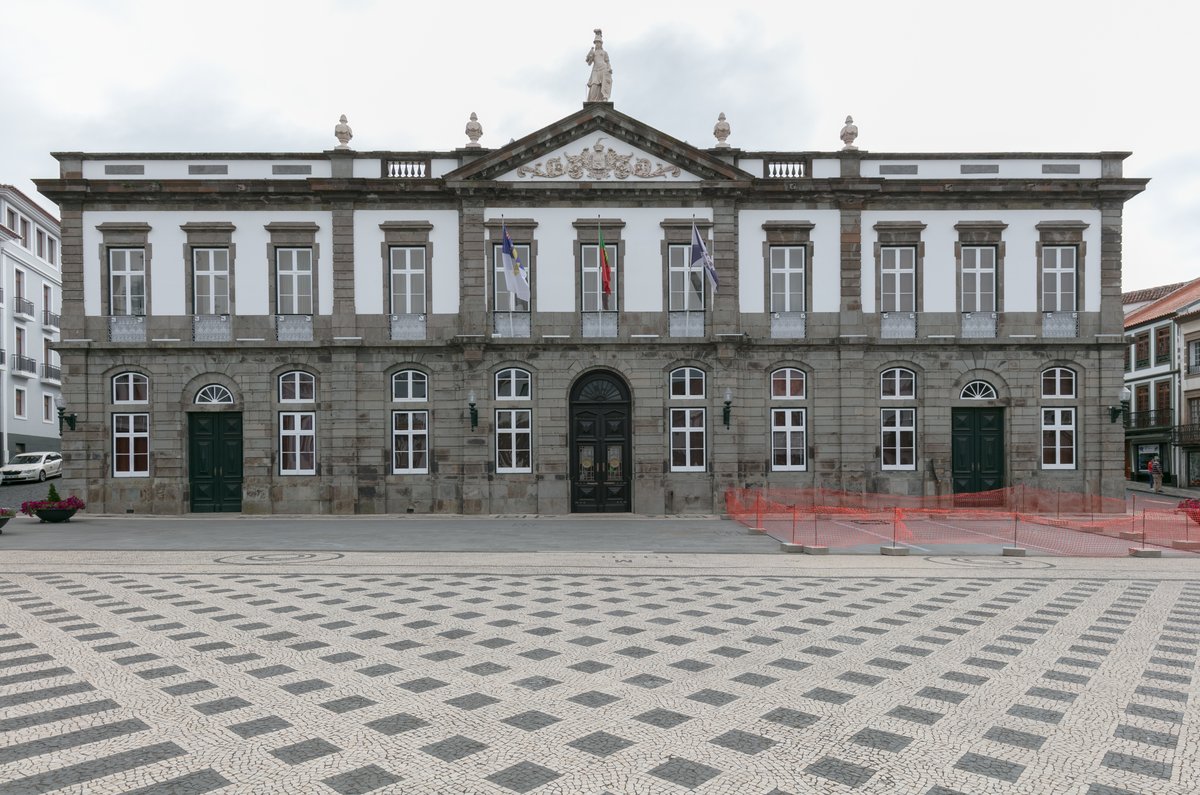
Angra do Heroismo is the kind of place that rewards the traveller who ventures beyond mainland Portugal. Perched on the southern coast of Terceira island in the Azores, this UNESCO World Heritage city is one of the finest examples of Renaissance urban planning in the Atlantic world — its grid of straight streets laid out in the 15th century still defines the city today.
The city's history reads like a thriller. Founded as a captaincy in 1474 and made a city in 1534, Angra became the most important Atlantic port between Europe, Africa, India and the Americas. Vasco da Gama's brother was buried here on the return from the first voyage to India. Sir Francis Drake attacked and failed to take it in 1589. The Earl of Essex turned up with a hundred ships in 1597 to seize a Spanish treasure fleet anchored in the harbour, and also failed. The massive Forte de São João Baptista was built specifically to keep such pirates and Spanish occupiers at bay.
After Portugal restored its independence in 1640, Angra remained the administrative capital of the Azores until the 19th century. Queen Maria II awarded it the suffix "Heroísmo" — heroism — after the city's role in the liberal civil war. A major earthquake in 1980 damaged much of the historic centre, but careful reconstruction has preserved the character of the old streets and monuments.
Today the cathedral, the baroque churches, the hilltop fort, and the palm-lined garden of the Jardim Duque da Terceira make Angra one of the most satisfying small cities in Portugal.