Extremadura is one of Spain's great underrated regions — a vast, empty, rolling land of dehesa woodlands, cork oaks, and slow rivers that lies between Madrid and the Portuguese border. It is the hottest, driest, and poorest part of the peninsula, and its population has been leaving for centuries; in the 16th century it produced conquistadores (Cortés, Pizarro, Nuñez de Balboa were all Extremeños), and in the 20th it produced emigrants to Germany and France. What remains is a deeply rural, deeply traditional Spain that feels hours older than anywhere else in the country.
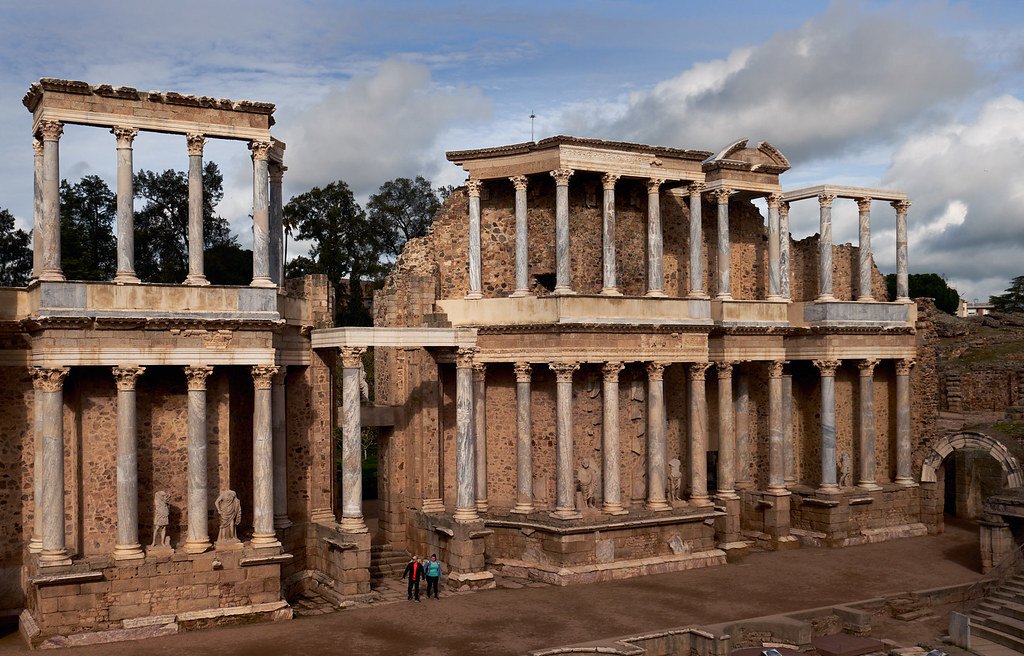
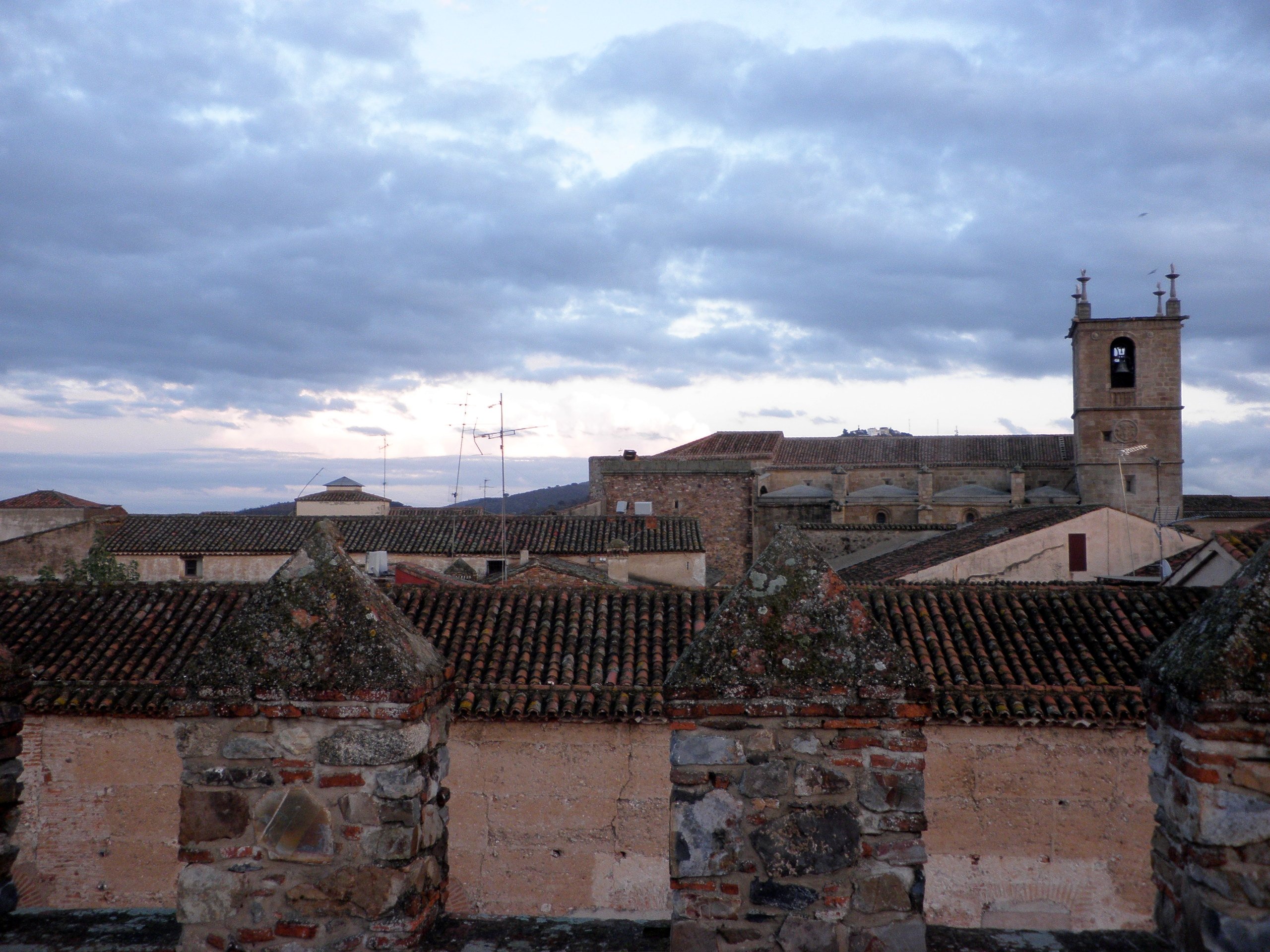
For travellers the draw is history and landscape. Mérida has some of the best-preserved Roman ruins in Europe — a full theatre, an amphitheatre, two aqueducts, a circus, and an outstanding museum of Roman art. Cáceres is an almost perfectly preserved walled medieval town, UNESCO-listed, all golden stone and stork nests. Trujillo, the birthplace of Pizarro, is smaller but no less atmospheric. Further north, the Monasterio de Guadalupe sits in a wrinkle of the Sierra and was the mother-church of Spain's American conquests; further south, Badajoz is the regional capital, a blunt frontier town with a battered Moorish alcazaba.
The food here is famous out of all proportion to the region's size. Jamón ibérico de bellota from the acorn-fed pigs of the dehesa is widely regarded as the best ham in the world, and Extremadura produces much of it. Add migas, cordero, cabrito, local goat's cheeses, and an excellent green olive oil, and you have one of the most rewarding corners of Spain to eat in. The region is also one of Europe's premier bird-watching destinations — Monfragüe National Park has one of the highest concentrations of black vultures and imperial eagles anywhere.