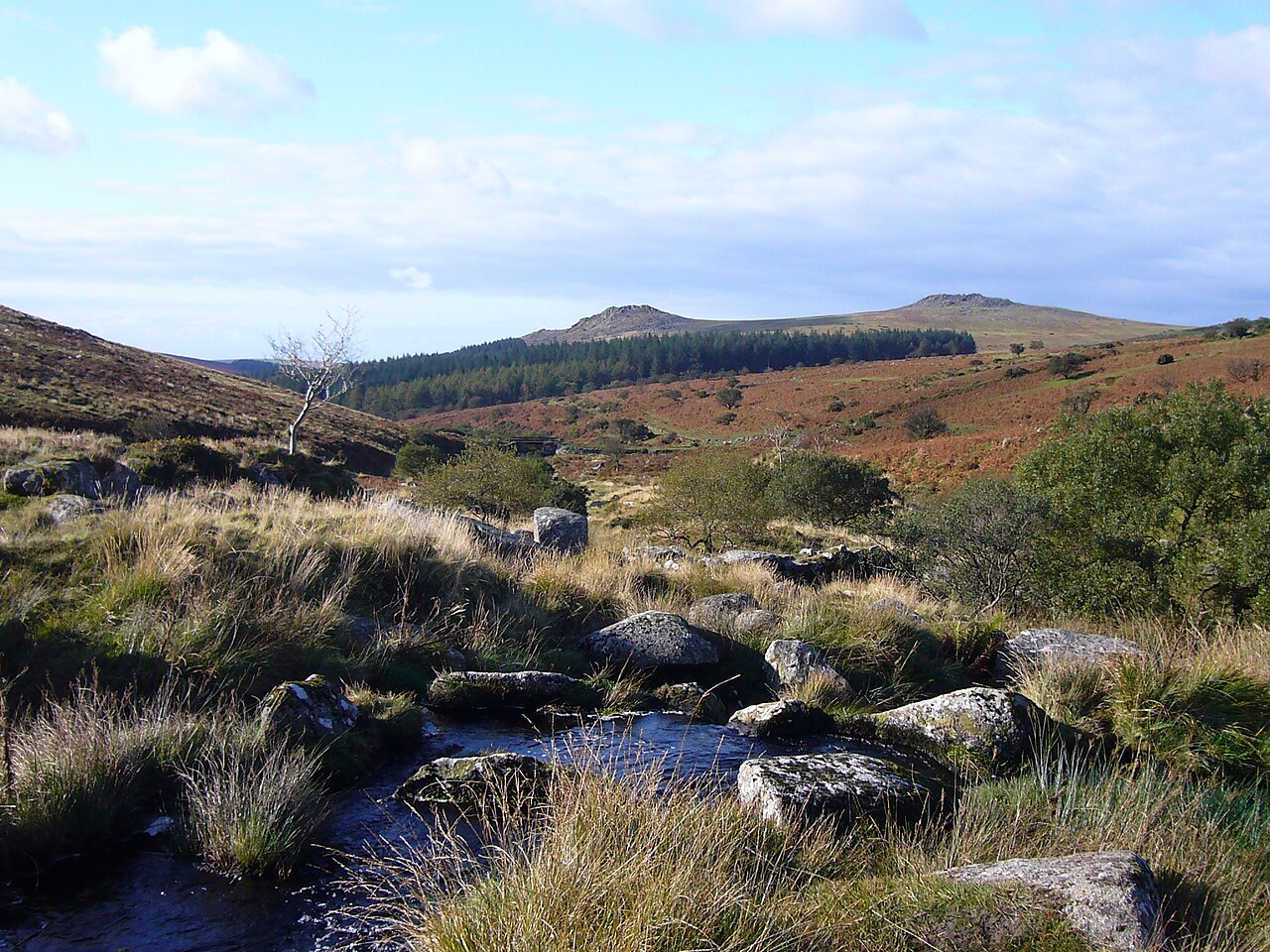
Dartmoor is the largest open wilderness in southern England — a 954-square-kilometre granite upland in the middle of Devon, covered in heather, rough pasture, bogs, and the strange weathered rock outcrops known as tors. It has a reputation for bleakness, and on a wet day in February with the mist closing in it lives up to it. But in summer, when the heather flowers and the ponies wander the open moor, Dartmoor is one of the most atmospheric landscapes in Britain.
The granite tors are what make the place: lumpy, wind-carved piles of stone crowning hill after hill, with names like Hound Tor, Haytor, Bowerman's Nose, and Sheepstor. There are more than 150 of them, and climbing to the top of one is the classic Dartmoor afternoon. The moor is also extraordinarily rich in prehistory — Bronze Age stone circles, standing stones, burial cairns, and the round huts of Grimspound — left behind by the people who farmed the high ground in a warmer climate three and a half thousand years ago. The medieval clapper bridges (thick stone slabs laid across the rivers) at Postbridge and Dartmeet are the other photographed icons.
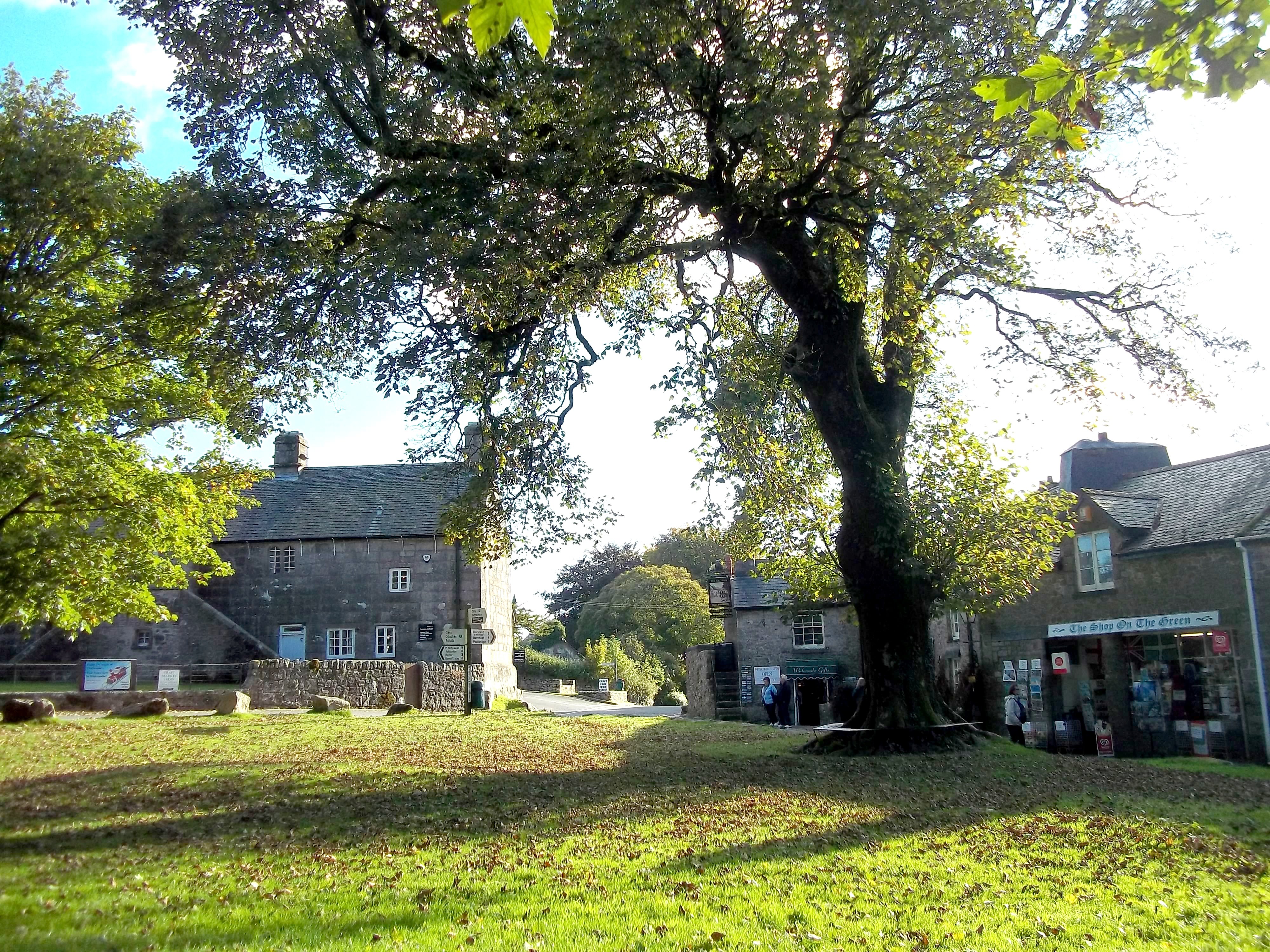
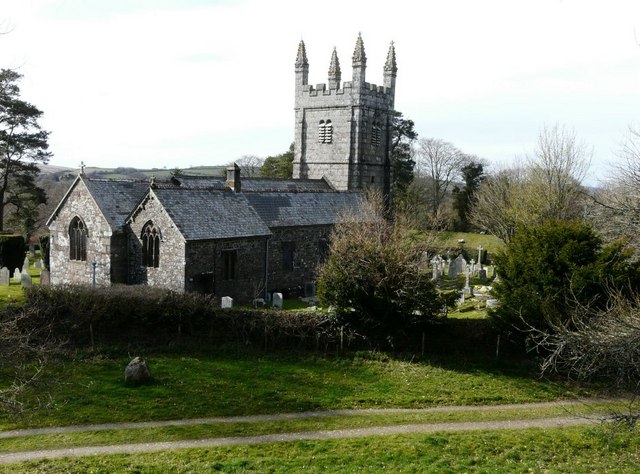
Villages on the moor are small and scattered. Widecombe-in-the-Moor has the "Cathedral of the Moors" (its church tower is visible for miles) and the song about Uncle Tom Cobley that every English child used to know. Chagford, on the eastern edge, is a pretty old stannary town with a handful of excellent places to eat. Princetown, the highest and bleakest village in England, is built around Dartmoor Prison — originally constructed in 1809 to hold French prisoners of war. Lydford, to the north-west, has a dramatic river gorge that is well worth the short walk.
Dartmoor is made for walking, and you can easily find routes of any length. The whole moor is open access: you can camp wild (lightweight, leave no trace), which is almost unheard of in England. Come prepared for weather that turns fast — proper boots, waterproofs, a map and compass. The mist is not a myth, and phone signal is patchy at best on the high moor. But that is part of what makes it feel, rightly, like the last wilderness in the south of England.