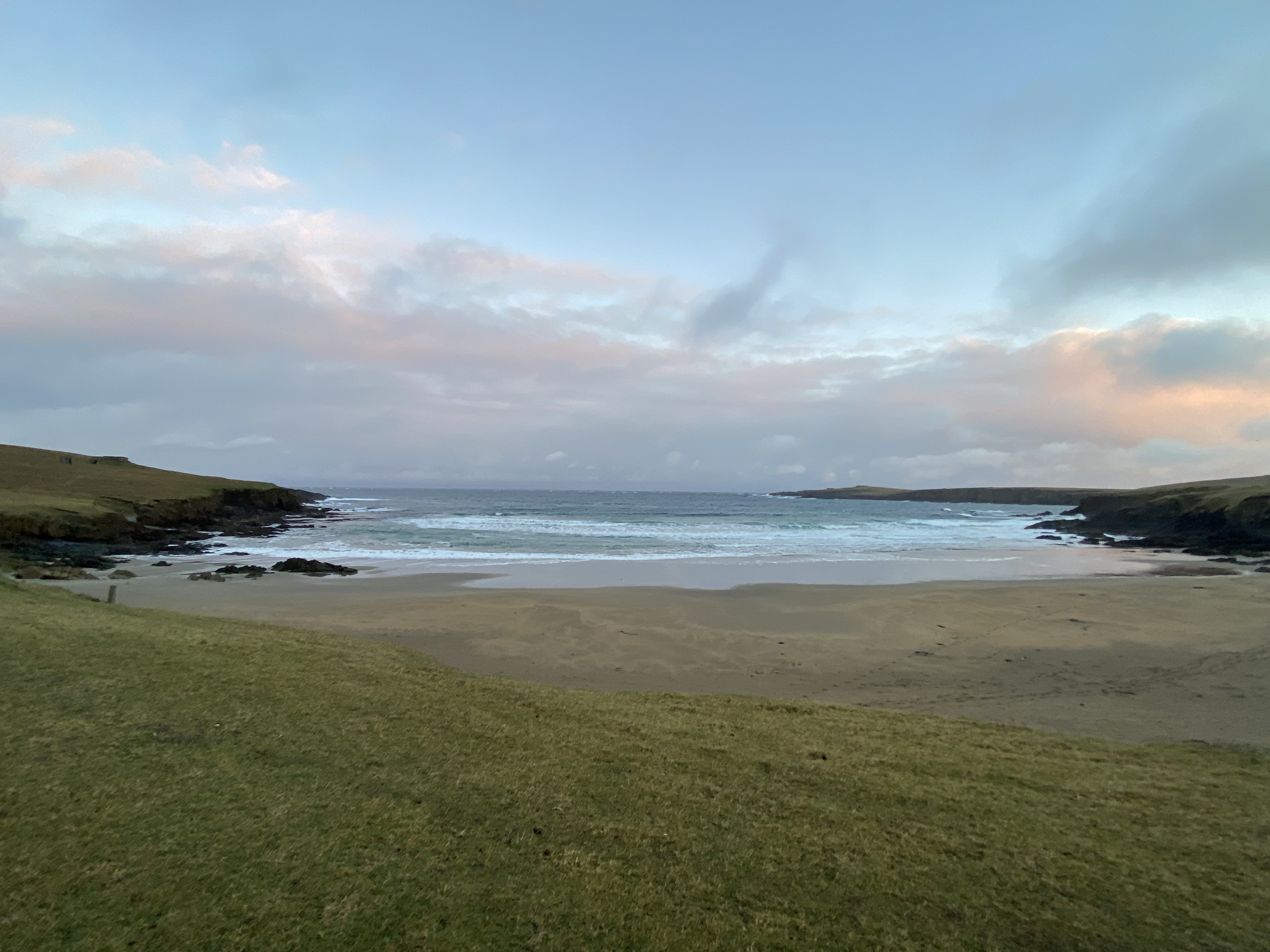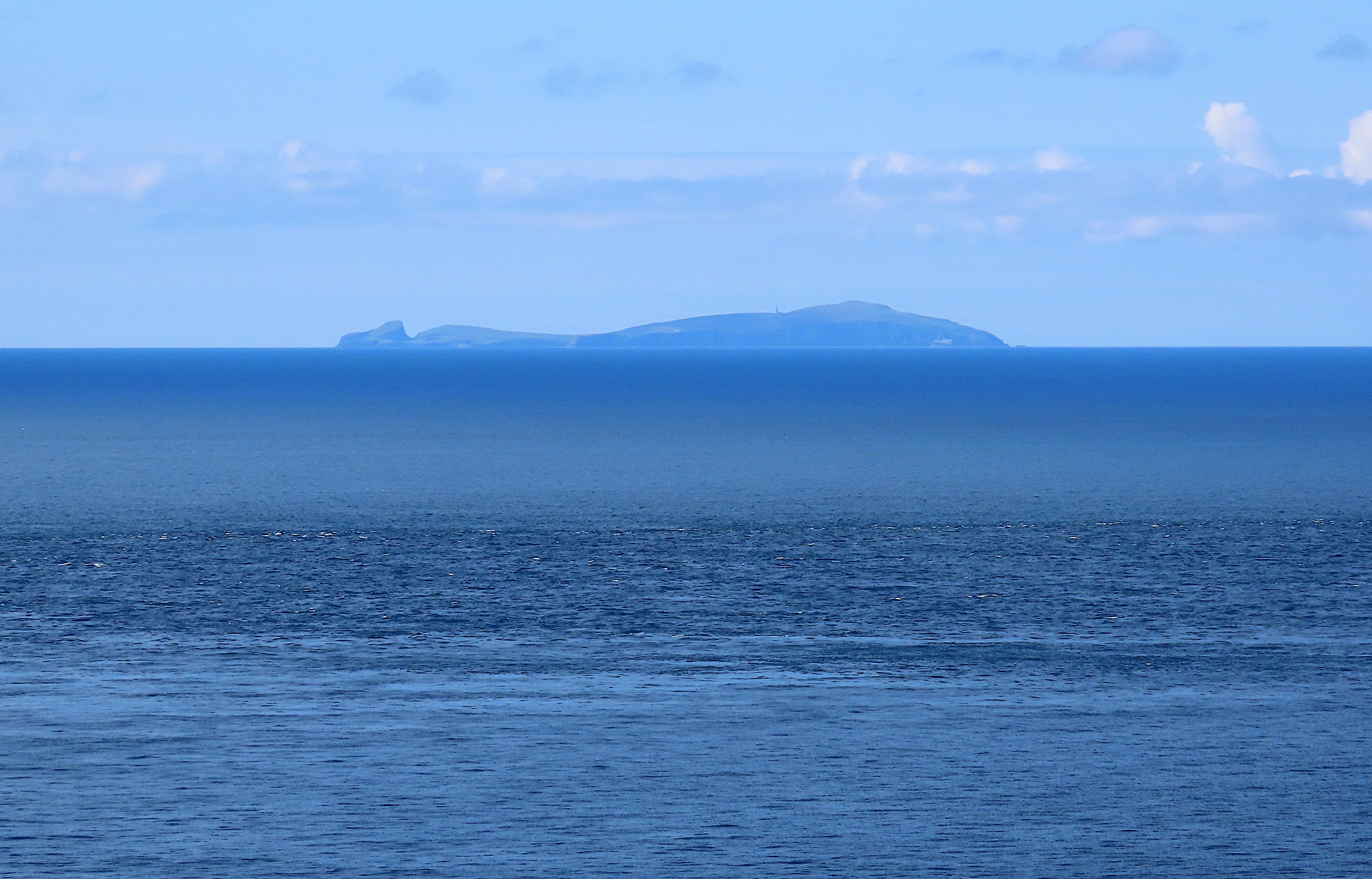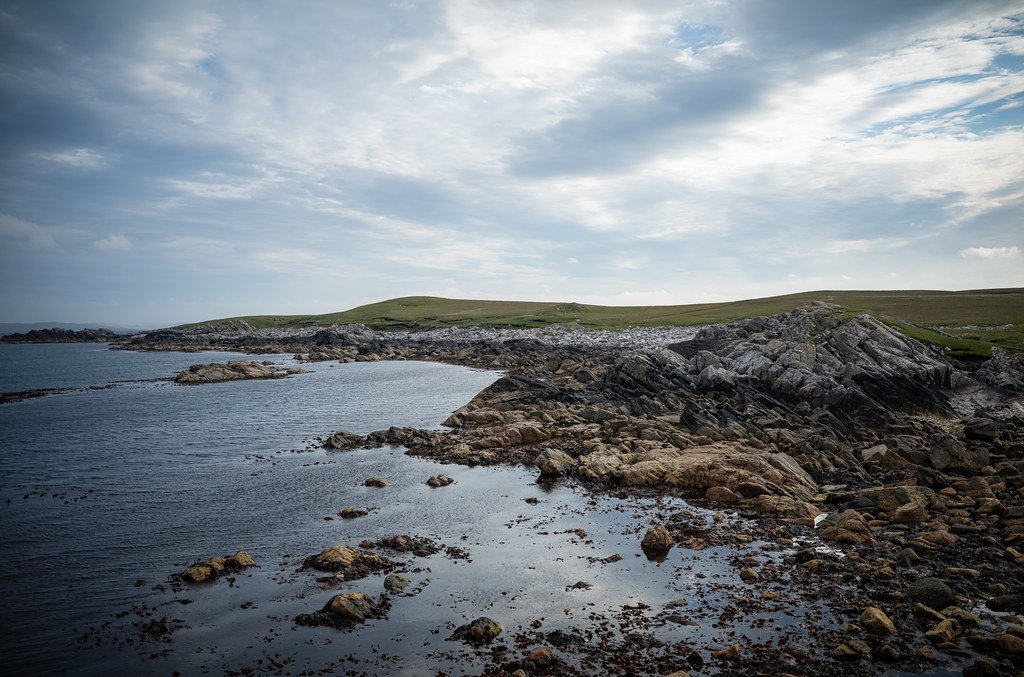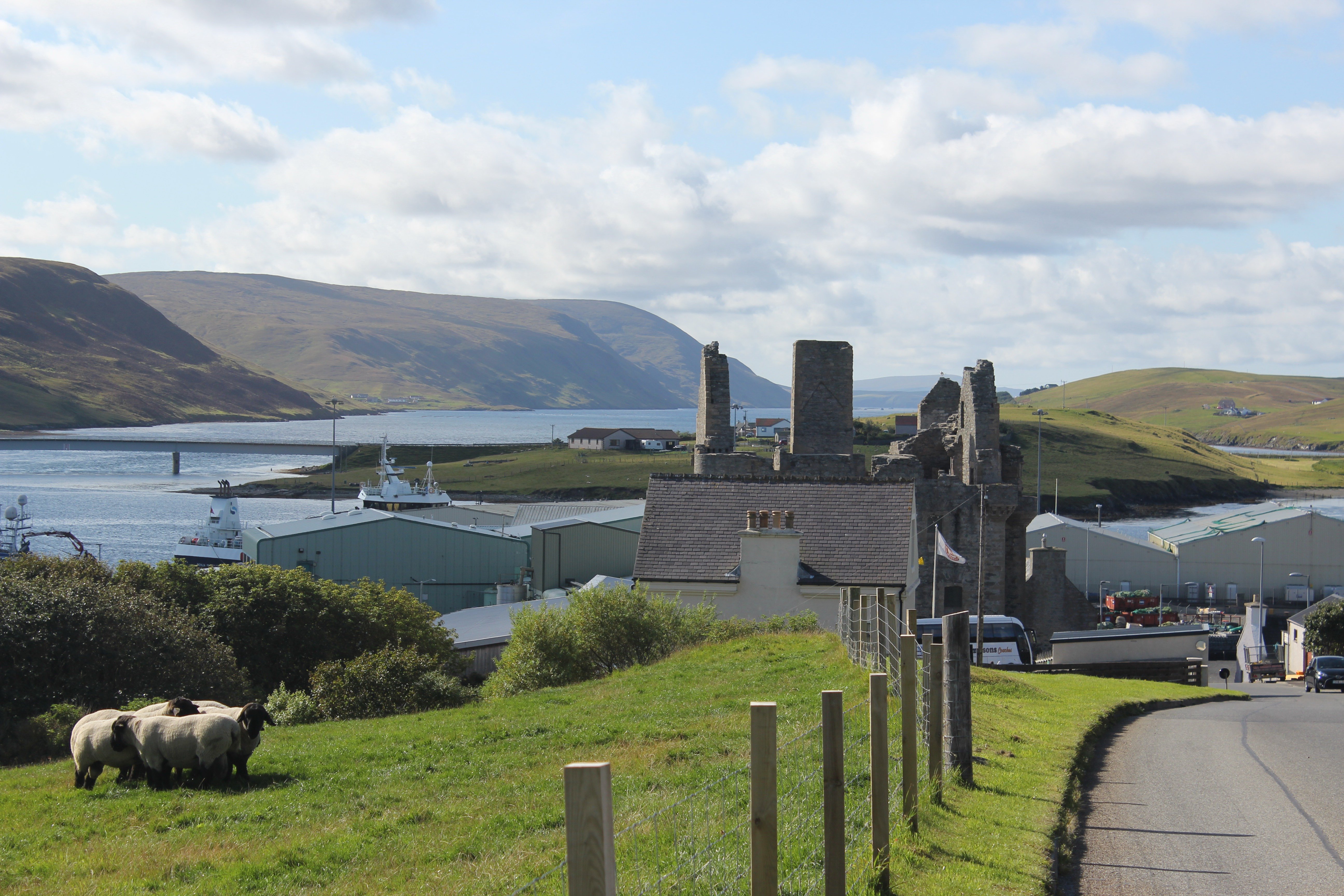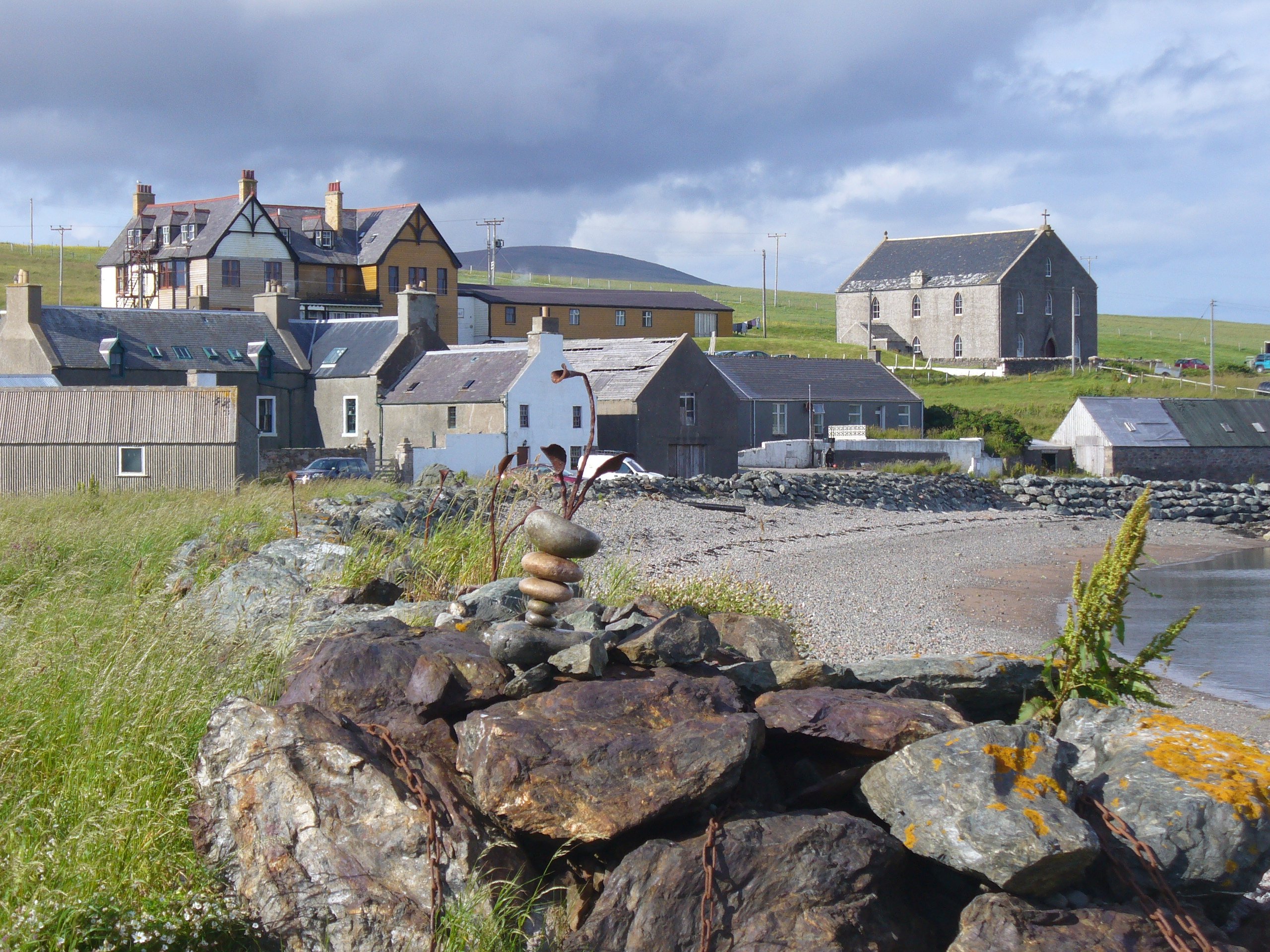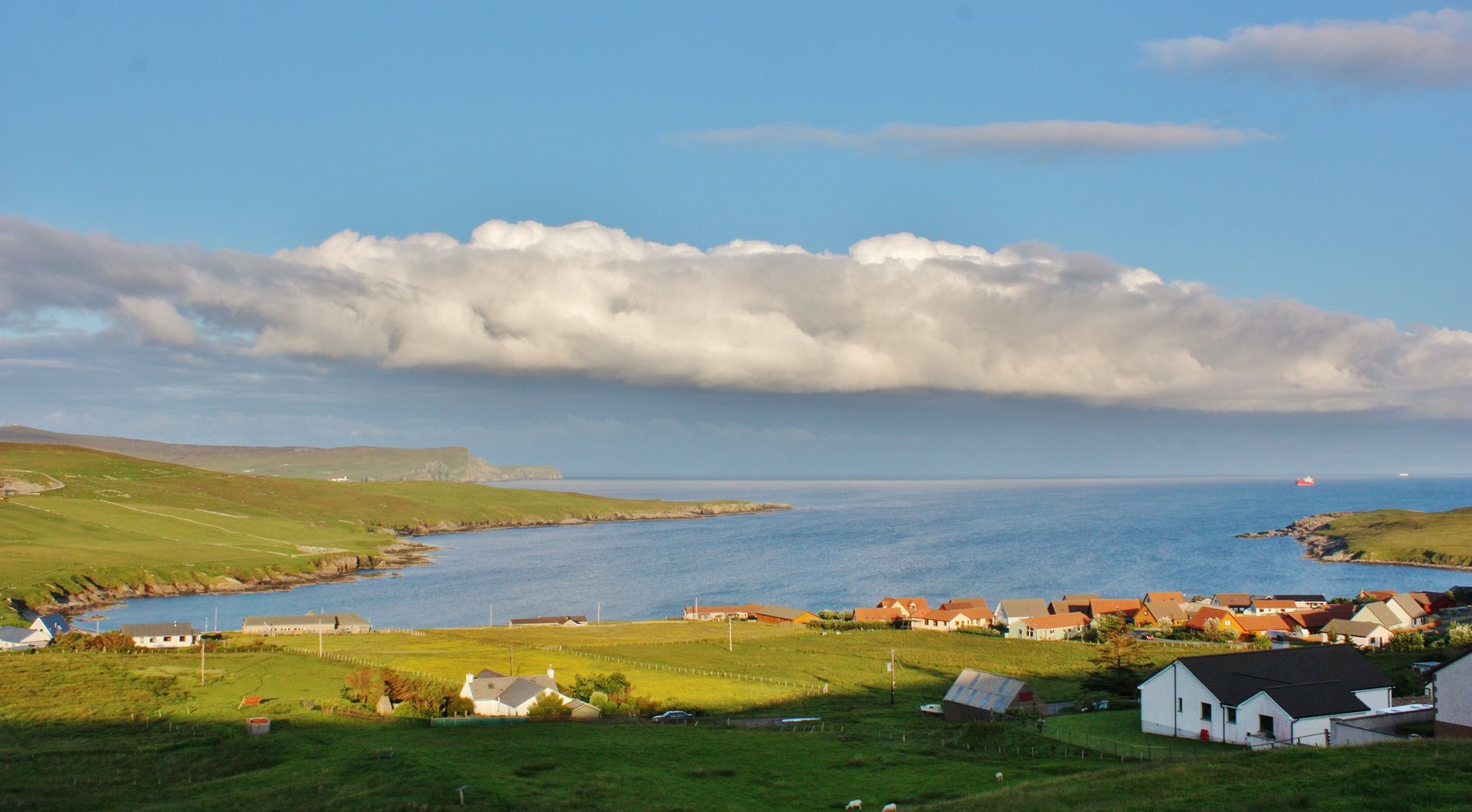
Shetland is an archipelago of over 100 islands at the very top of the British Isles, closer to Norway than to most of Scotland. The landscape is treeless and windswept — low, rolling moorland meeting dramatic cliffs and white sand beaches. The light in summer, when it barely gets dark, is extraordinary.
The islands are exceptional for wildlife. Huge seabird colonies nest on the cliffs — puffins, gannets, great skuas — and seals and otters are common along the coast. The birdwatching is some of the best in Europe, particularly at Hermaness on Unst and Sumburgh Head on the Mainland.
The archaeology runs deep. Jarlshof, near Sumburgh, is one of the most remarkable archaeological sites in Britain, with layers of settlement from the Bronze Age through Norse times to the medieval period. Mousa Broch, a perfectly preserved Iron Age tower on a small island, is the finest example of a broch anywhere in Scotland.
Lerwick, the capital, is a compact town with a harbour front, a handful of good restaurants, and the Shetland Museum. The annual Up Helly Aa fire festival in January, when a replica Viking longship is burned, is the islands' most dramatic event.
Getting to Shetland requires either the NorthLink ferry from Aberdeen (12 hours overnight) or a flight from Aberdeen, Edinburgh, or Glasgow.