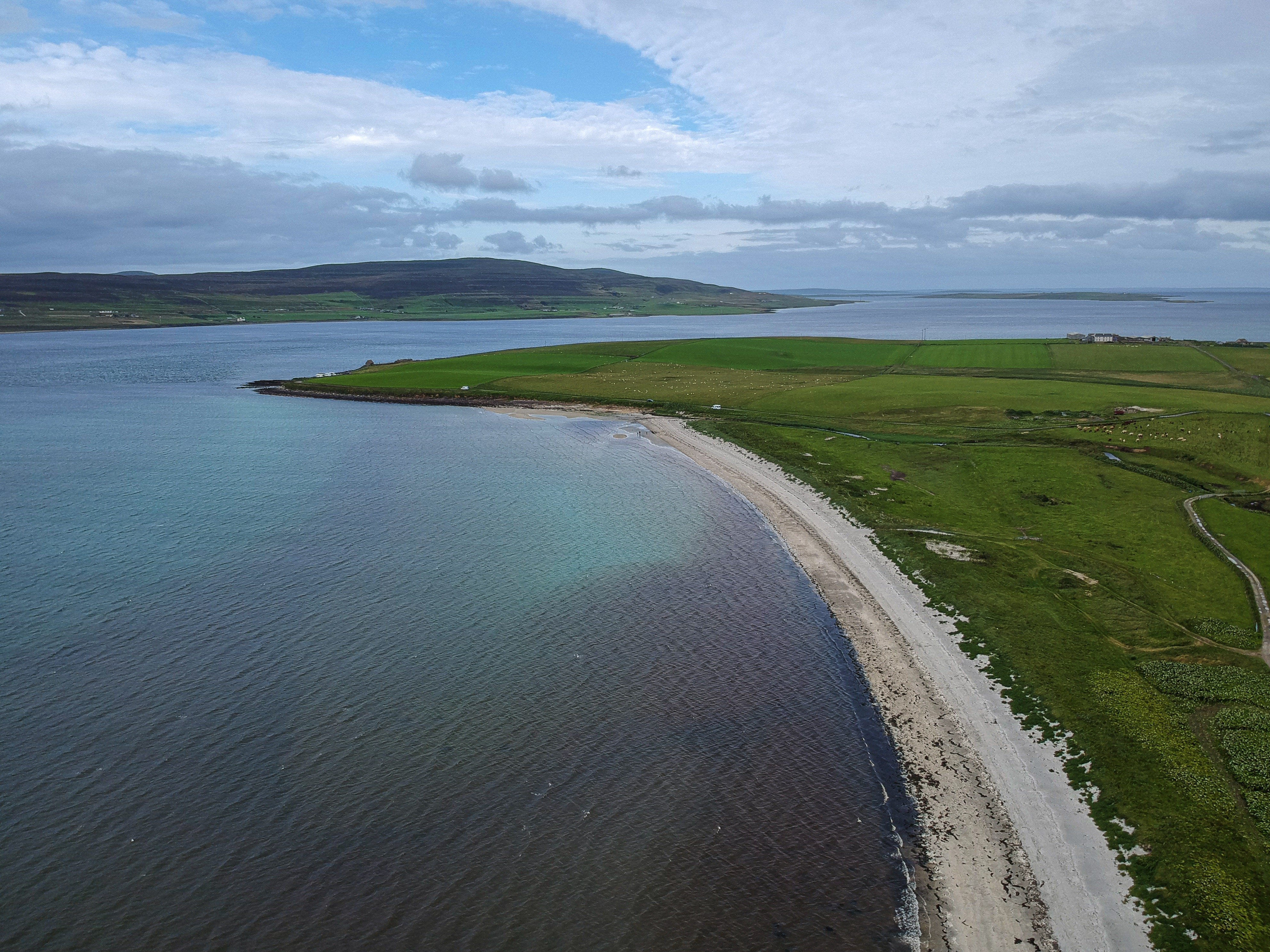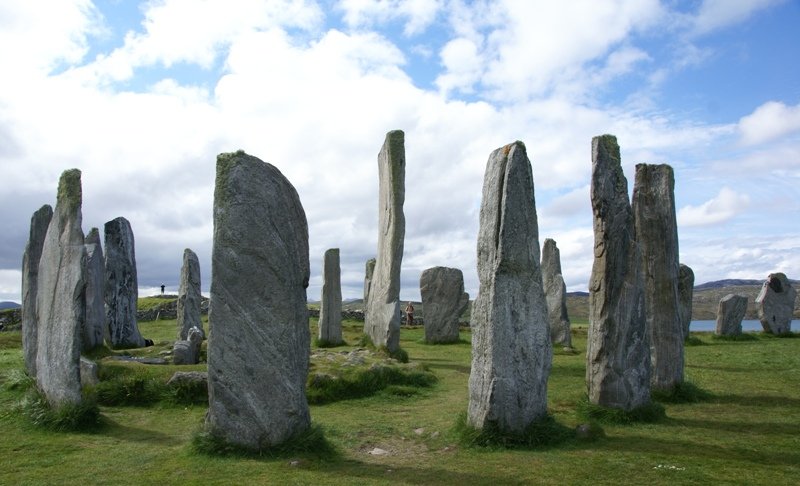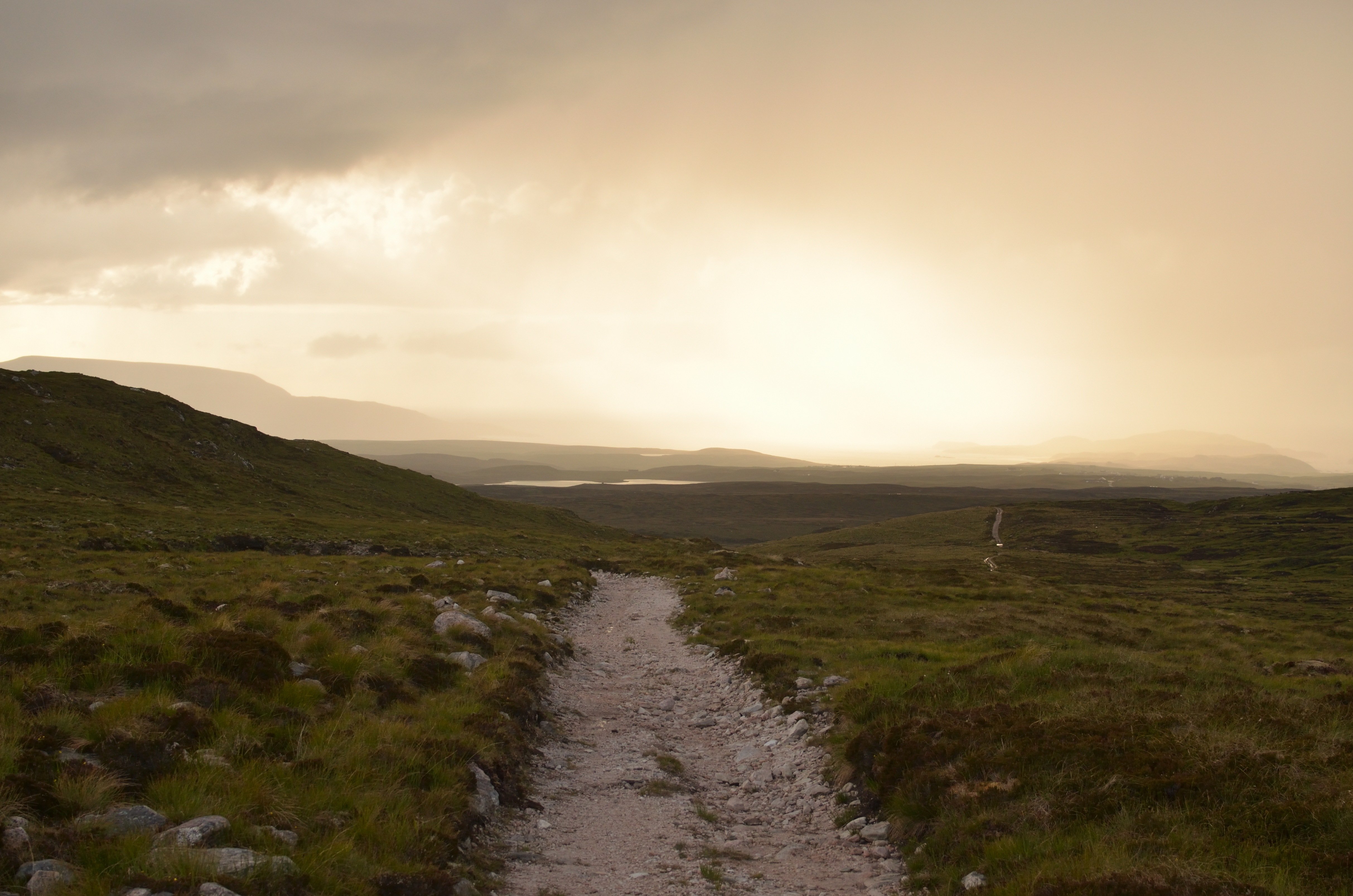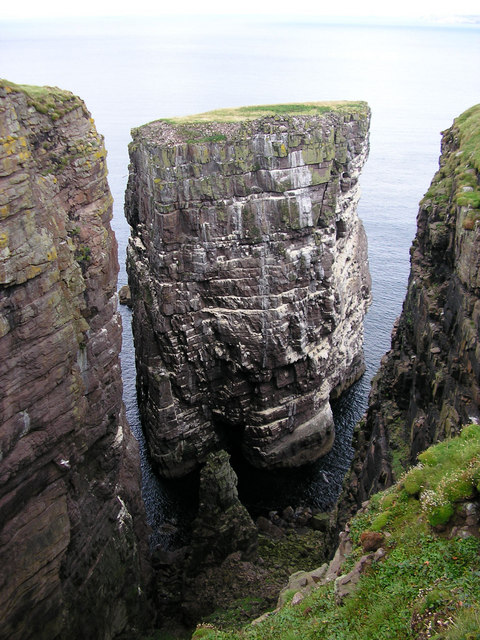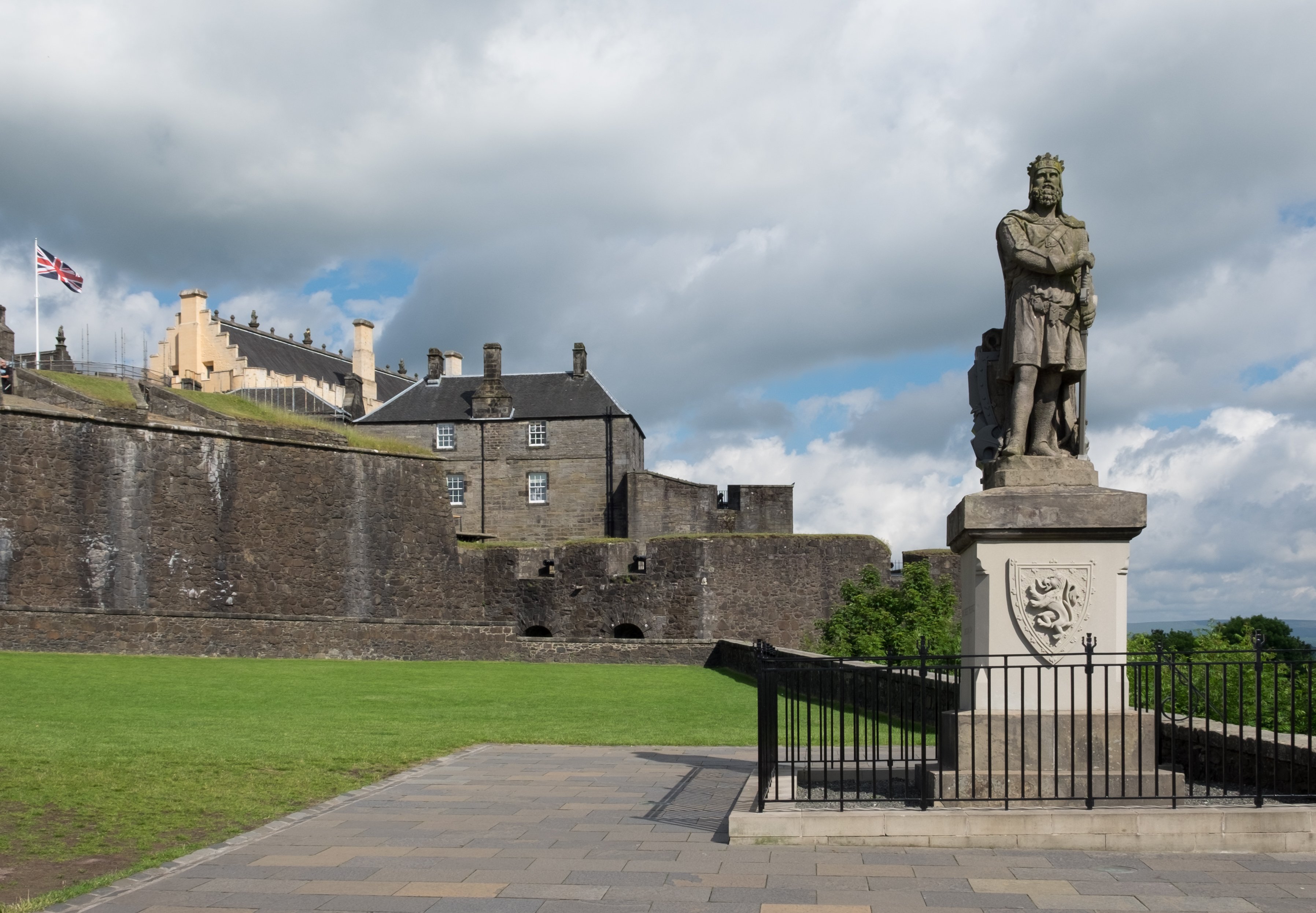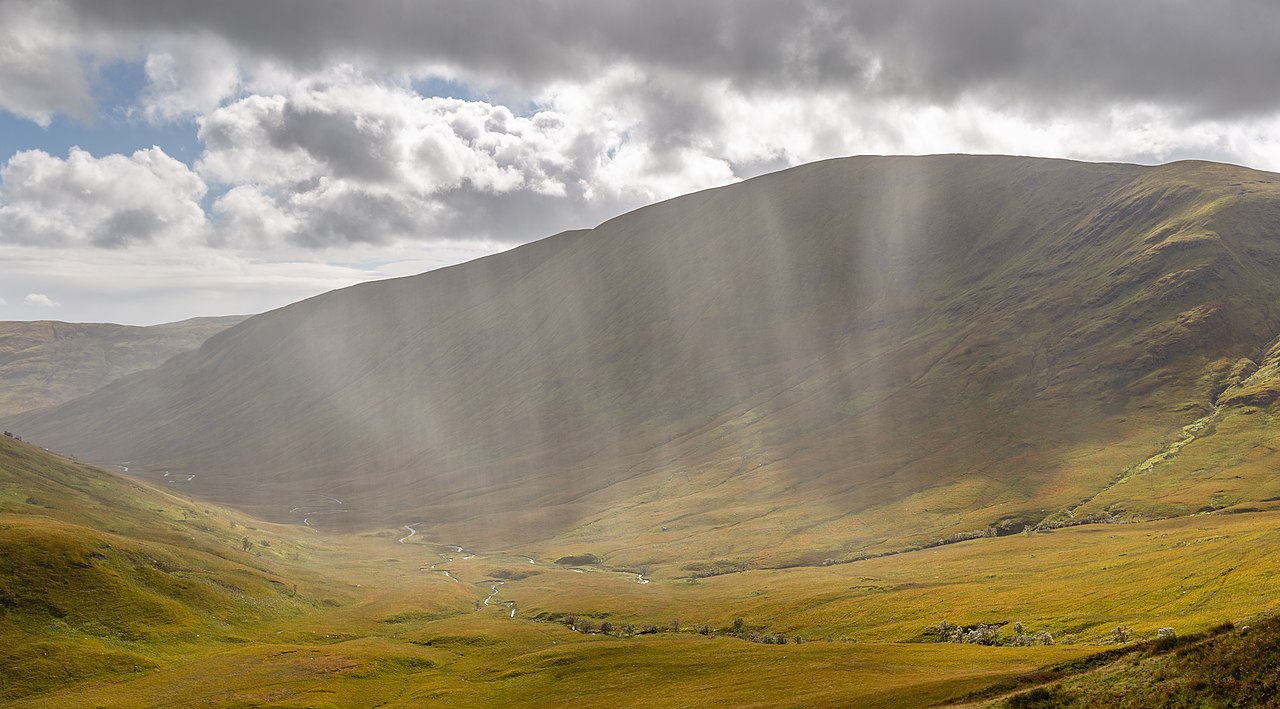
Scotland is the northern third of Great Britain — roughly half the size of England but containing most of the drama. Moorlands, mountains, ancient forests, and around 800 islands make up the majority of its landmass. The population clusters in the central belt between Edinburgh and Glasgow, leaving vast stretches of Highland and coastal wilderness that feel genuinely remote.
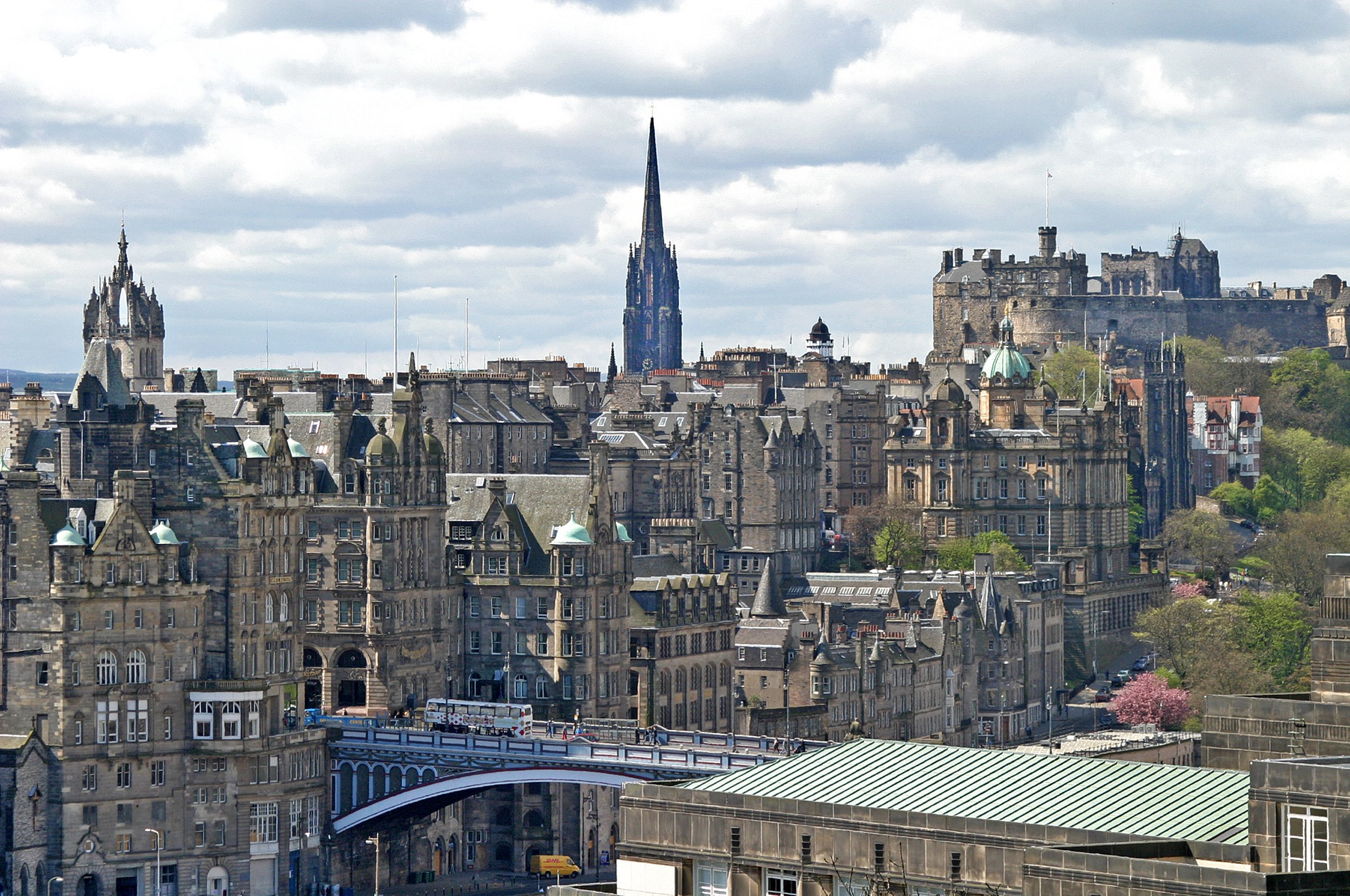
Edinburgh is one of the finest capital cities in Europe. Built across a series of volcanic hills, it combines a medieval Old Town — dominated by its castle and the long spine of the Royal Mile — with a Georgian New Town of elegant crescents and squares. The city has a festival culture unlike anywhere else in the world: Hogmanay sees in the new year spectacularly, and the August Fringe transforms the whole city into the world's largest arts festival.
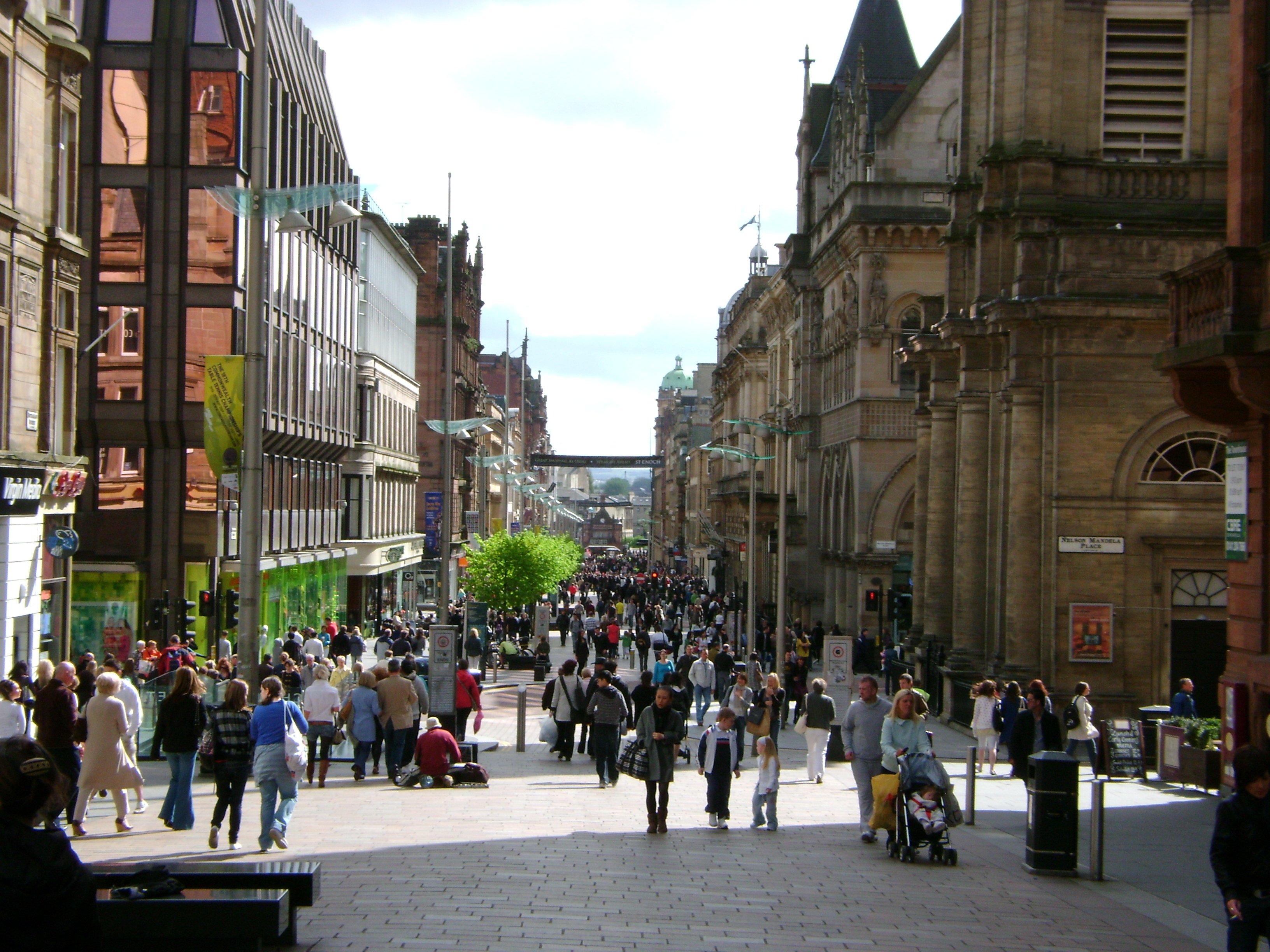
Glasgow, forty miles west, is Scotland's largest city and has reinvented itself thoroughly since its industrial peak. It has outstanding museums (most of them free), a genuinely energetic food and music scene, and an architecture that ranges from Victorian grandeur to Charles Rennie Mackintosh's singular art nouveau. The city is warmer and less polished than Edinburgh, which many visitors find preferable.
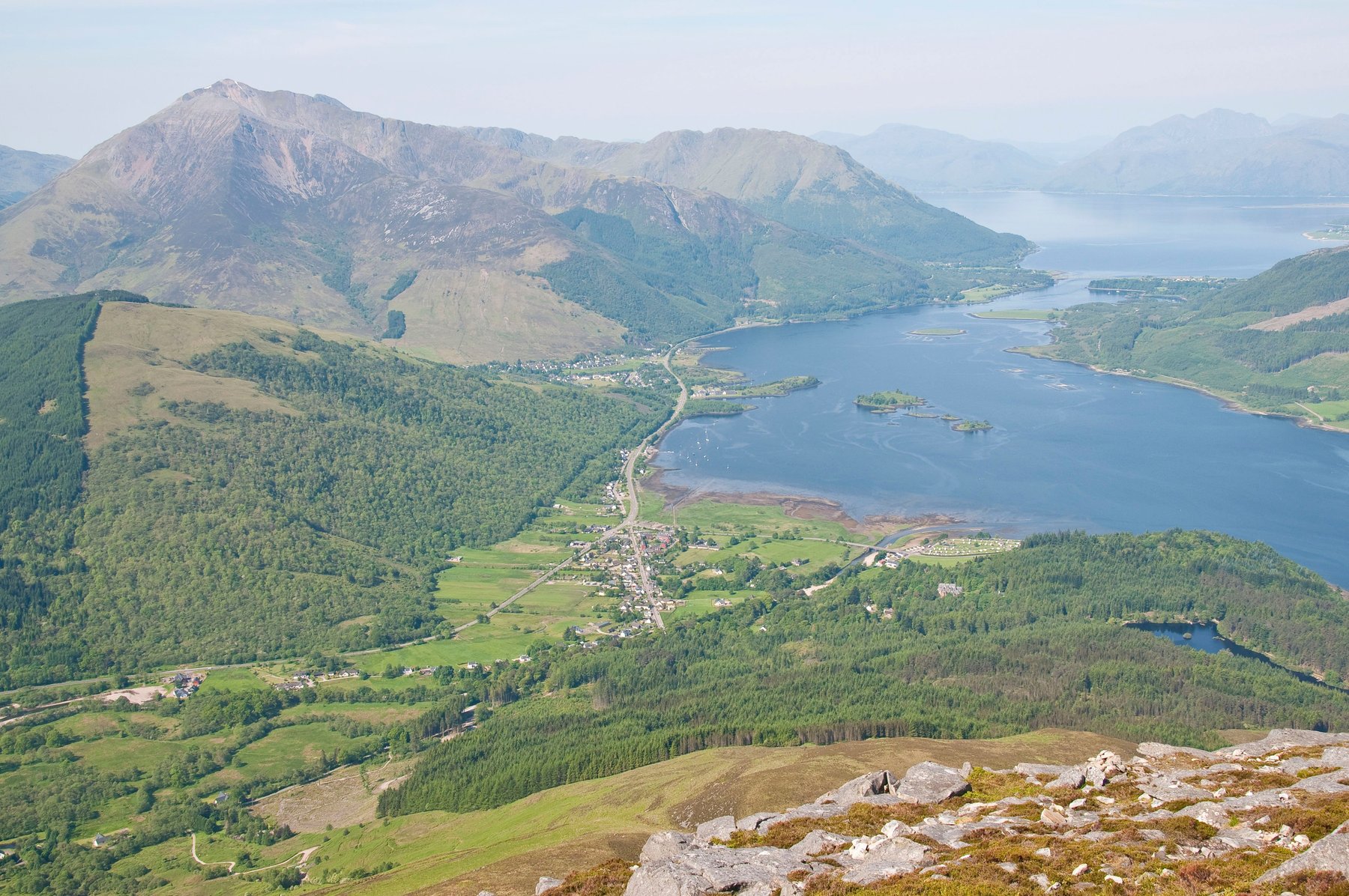
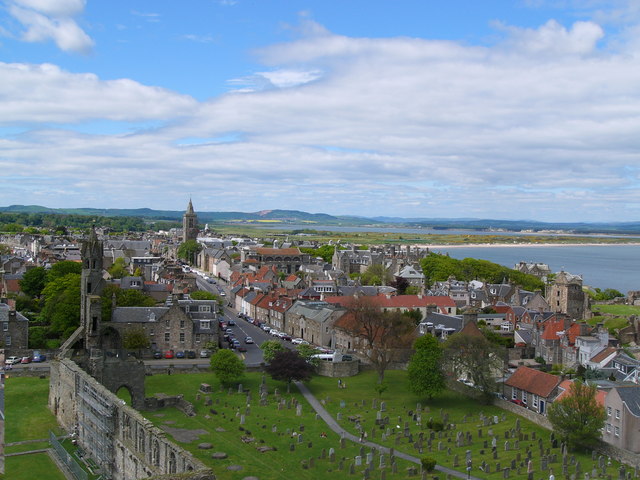
Beyond the cities, the landscape takes over. The Highlands offer some of the most expansive and empty terrain in western Europe — Glencoe, Ben Nevis, the Cairngorms, and the northwest coast around Torridon and Assynt are all world-class in their own right. The islands — Skye, the Outer Hebrides, Orkney, Shetland — each have a distinct character and reward slower travel. St Andrews is the home of golf; Loch Ness has its famous monster and the genuinely impressive ruins of Urquhart Castle.
The best time to visit is May to September when the days are long and the weather occasionally obliges. Midges (tiny biting insects) are a Highland reality from June to August, particularly in calm, damp conditions — bring repellent if you're heading into the hills or islands.