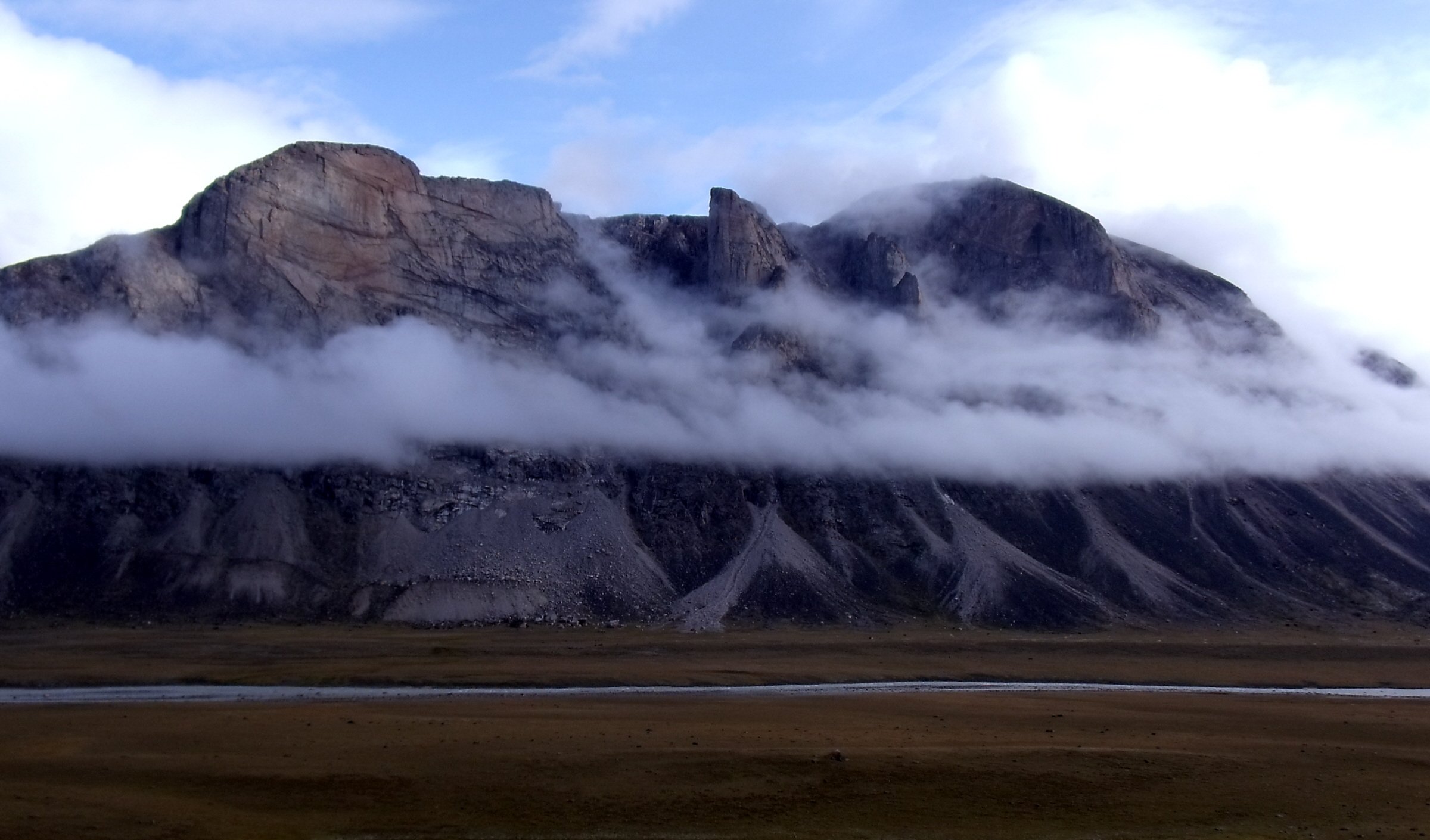
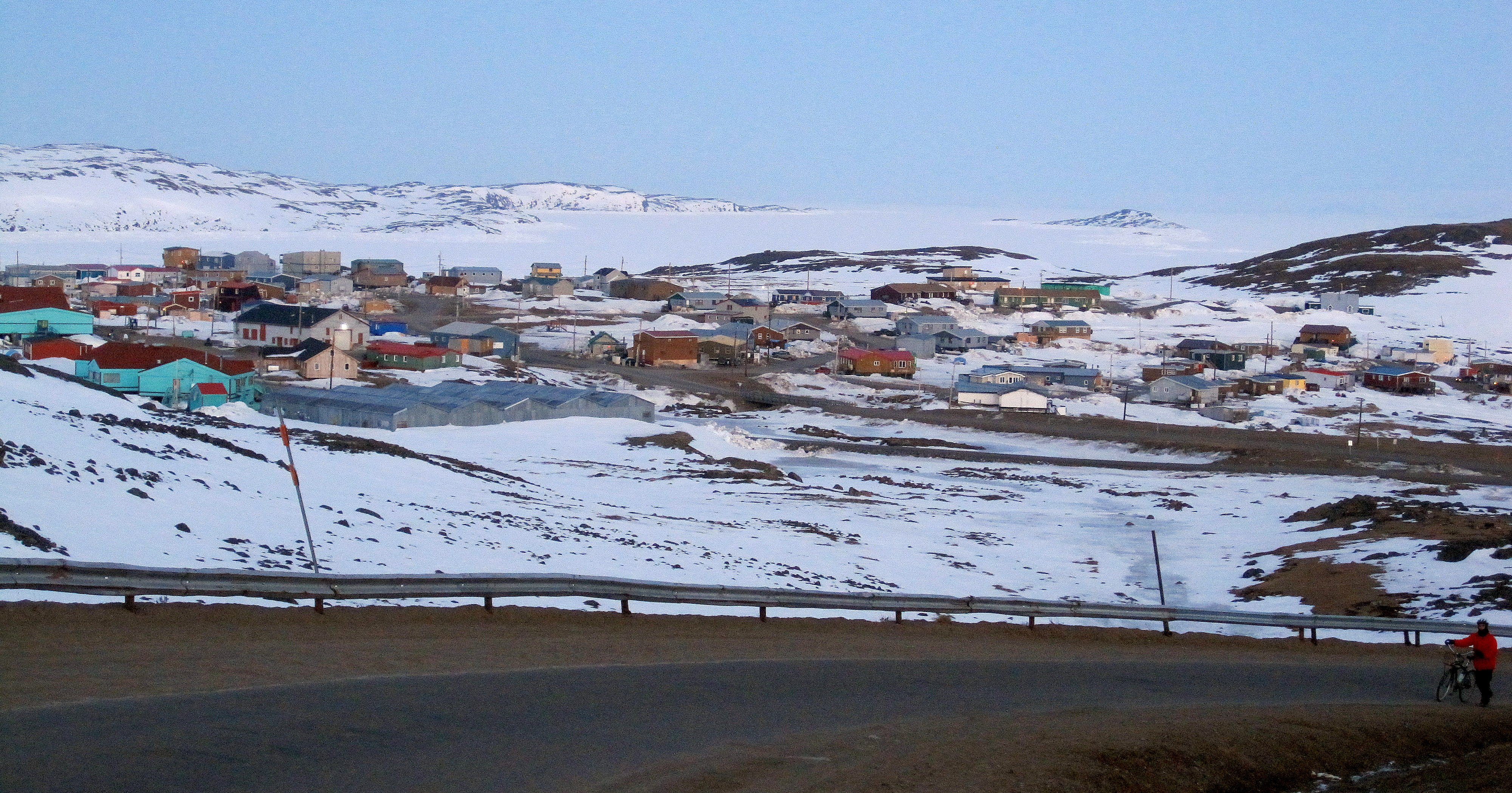
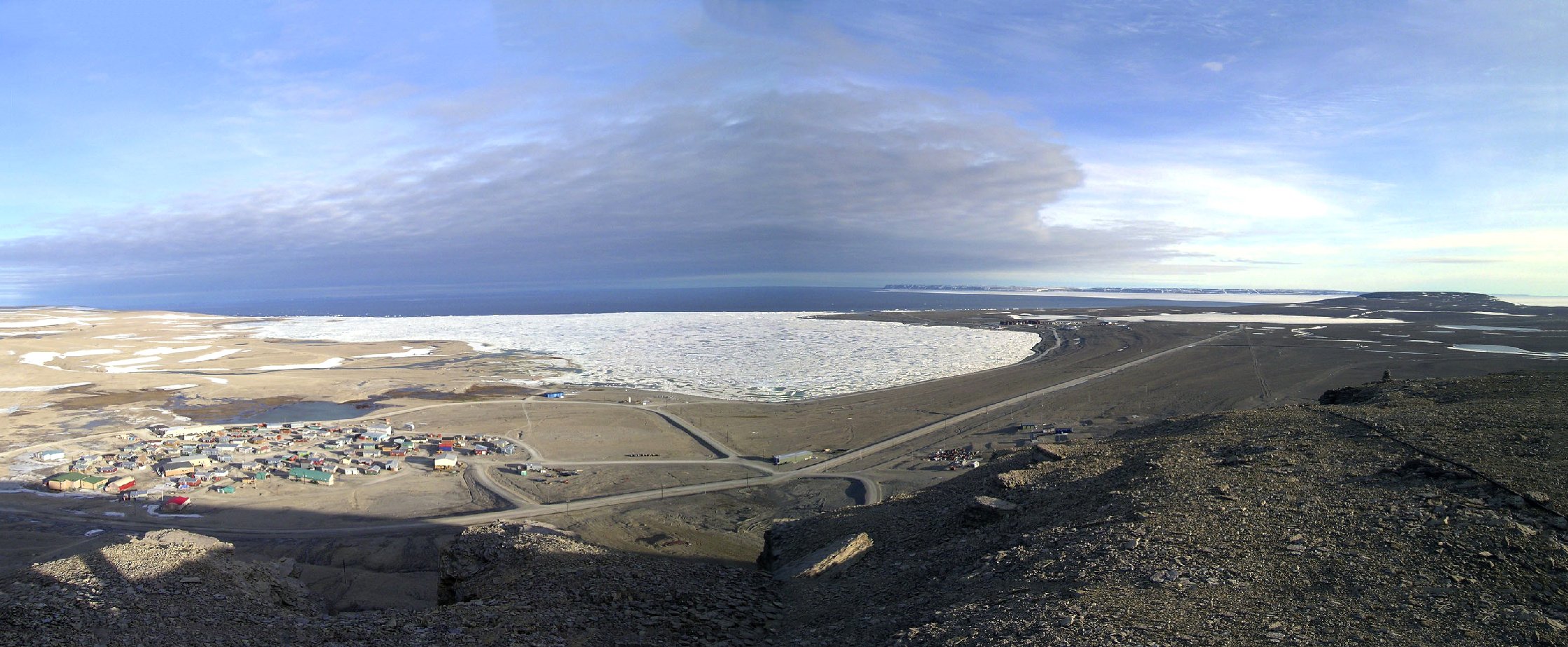
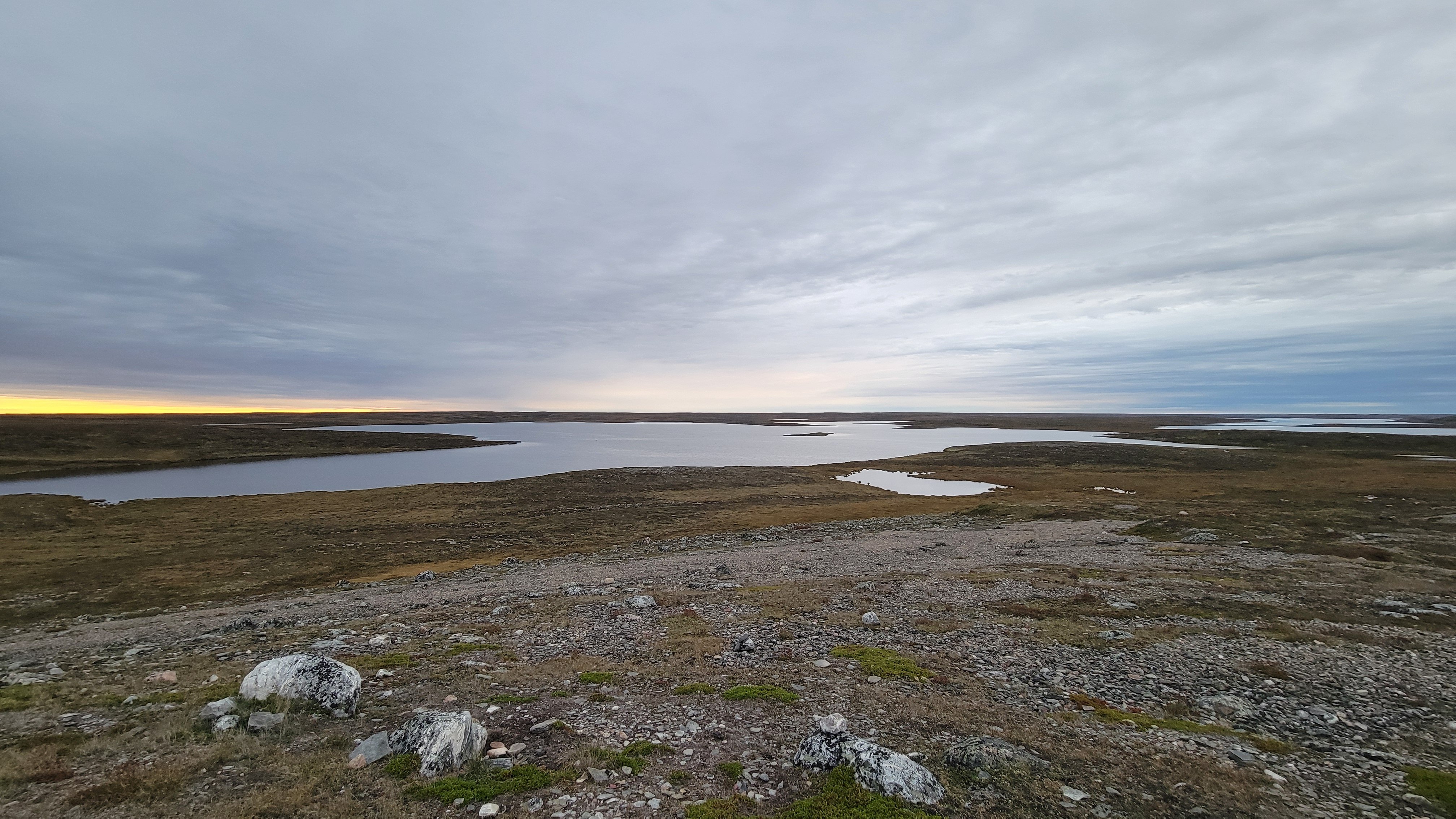
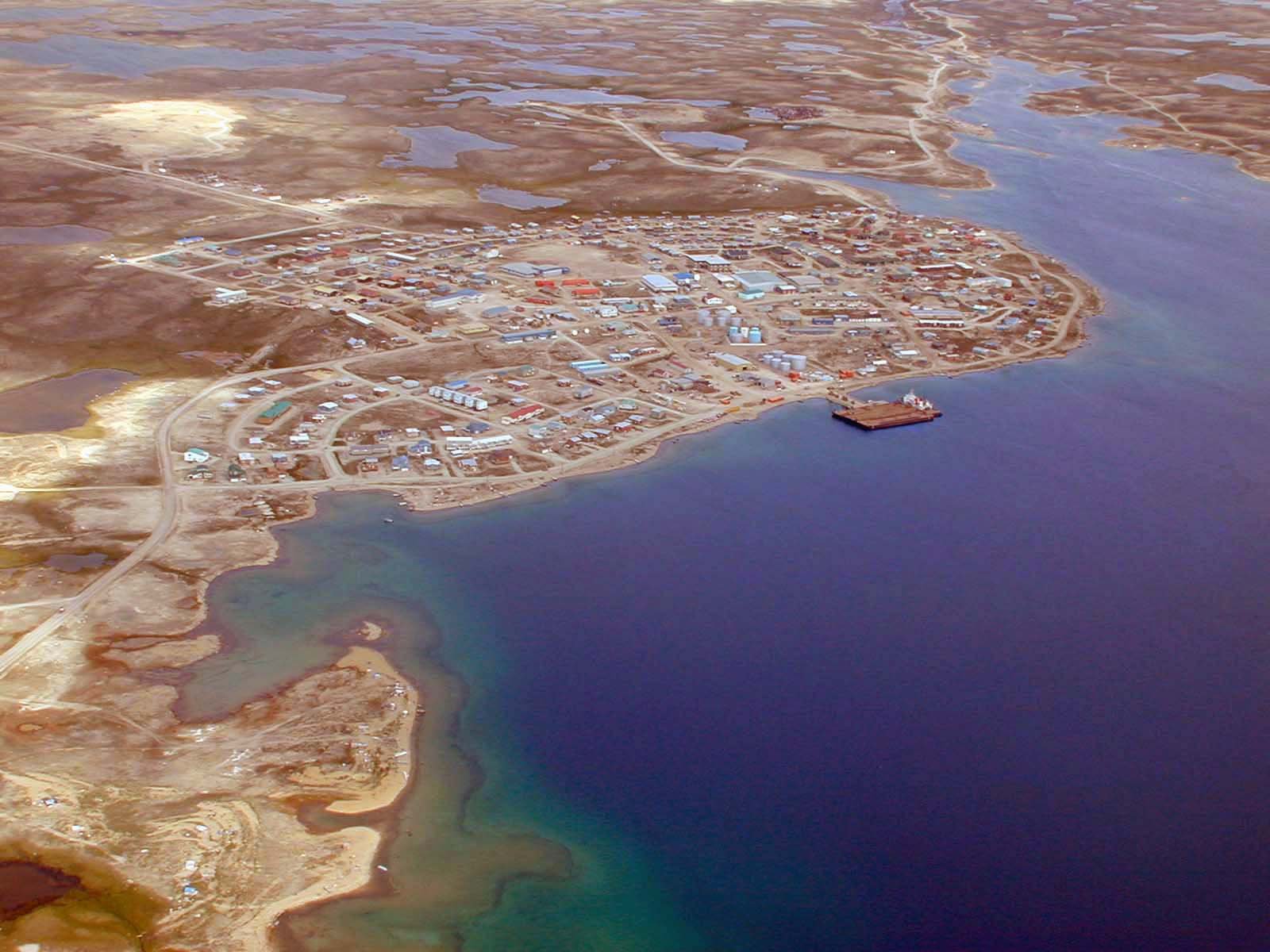
Nunavut is Canada's newest and largest territory, established on April 1, 1999 through the largest Indigenous land claim agreement in Canadian history. It covers about 2 million square kilometres — roughly one-fifth of Canada's total landmass — and yet has a population of only about 40,000 people, predominantly Inuit.
The territorial capital is Iqaluit, on Baffin Island, with a population of around 8,000. Most of Nunavut's communities are accessible only by air; there are no roads connecting them.
The range of activities is genuinely extraordinary for those willing to make the journey. Kayaking among icebergs, snowmobiling across frozen tundra, dog-sledding, and Arctic wildlife watching — polar bears, walrus, beluga whales, caribou, and Arctic wolves — are all possible. Birdwatching is spectacular in summer, when millions of seabirds nest on the cliffs. The midnight sun in summer and the northern lights in winter are both unforgettable.
Inuit culture is alive and practiced here more than anywhere else in Canada. Local artists produce exceptional carving, printmaking, and textile work; the Cape Dorset art community is internationally recognized. Try some traditional food — Arctic char, maktaaq (beluga skin and blubber), country food generally.
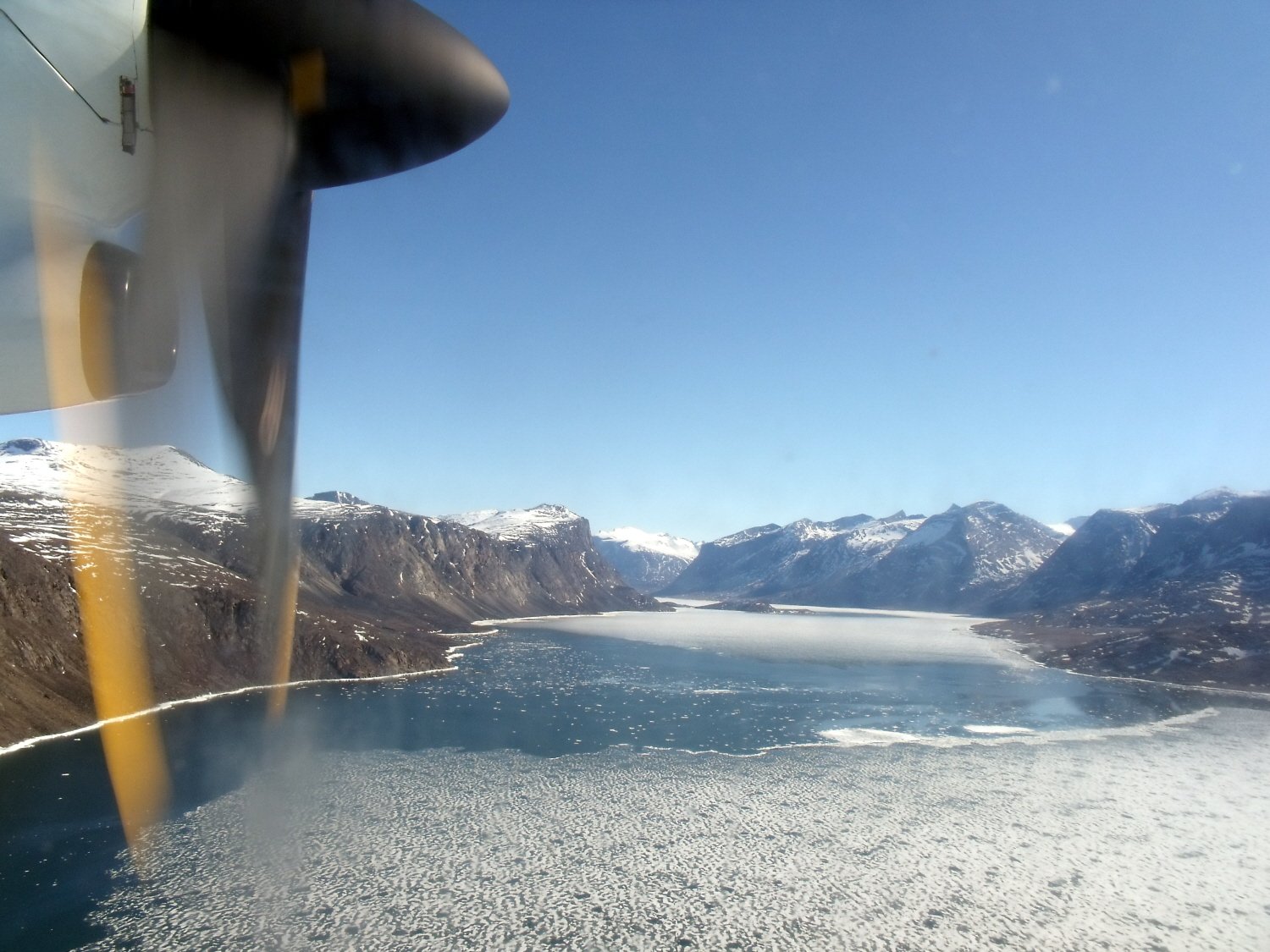
Getting to Nunavut requires flying, usually through Ottawa or Winnipeg. Costs are high and logistics require planning. But for travellers who want genuine wilderness and a culture genuinely unlike anywhere else, there is nowhere else quite like it.