Iqaluit
©
Iqaluit

Iqaluit

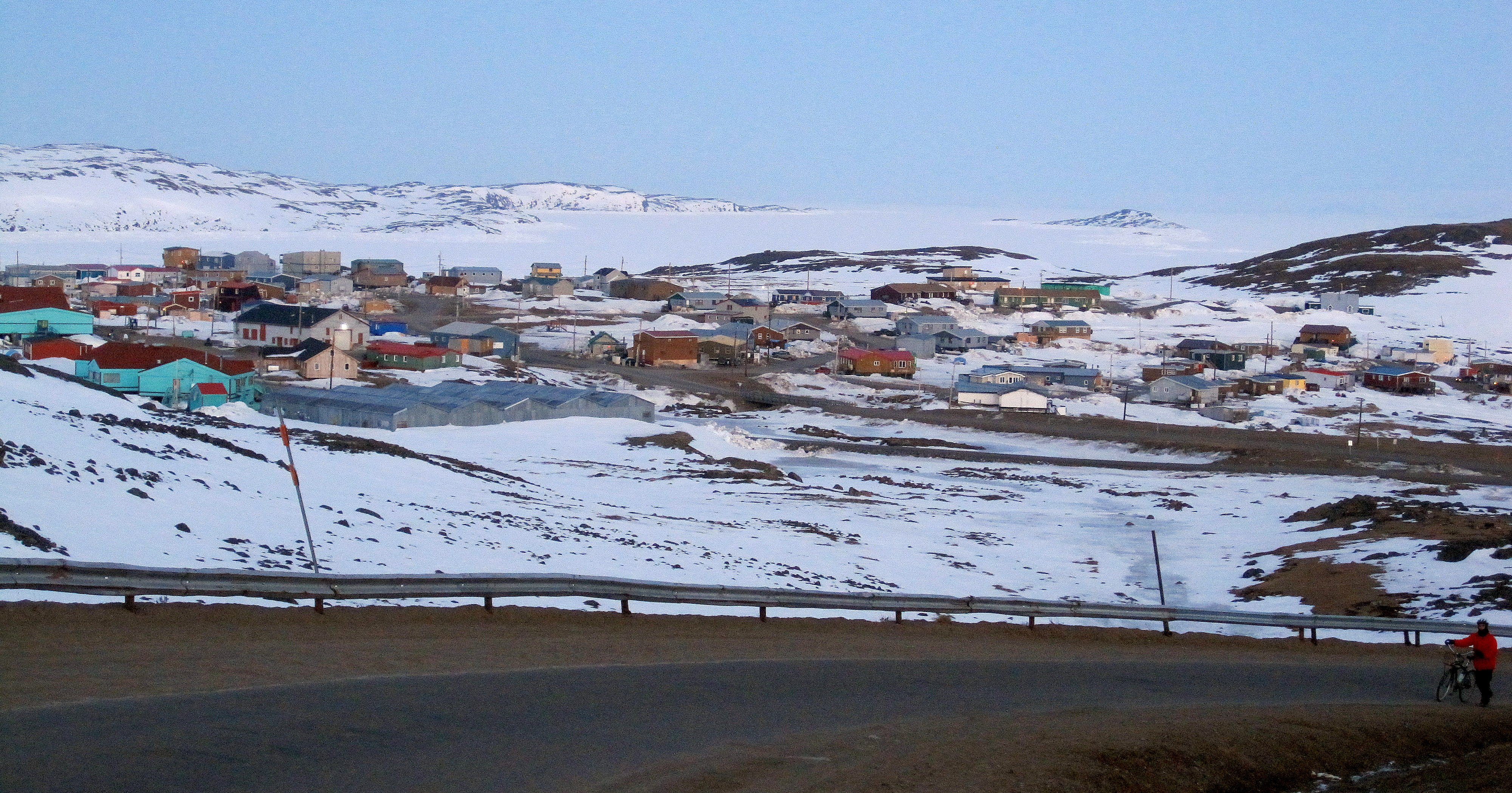
Nunavut capital on Baffin Island, where tundra begins at the edge of town.

Iqaluit is the capital of Nunavut and the gateway to the Eastern Arctic. Formerly known as Frobisher Bay, it sits on the southeastern coast of Baffin Island and is home to about 8,000 people — a growing city by Arctic standards, but still a place where the tundra begins at the edge of town and polar bears occasionally wander through the outskirts.

St Jude's Cathedral, shaped like an igloo and built after the original burned down in 2005, is the most distinctive building and an important Anglican centre for the entire Canadian Arctic. The Nunatta Sunakkutaangit Museum holds a worthwhile collection of Inuit artefacts and prints in a former Hudson's Bay Company warehouse. The Legislative Assembly of Nunavut is open to visitors and worth seeing for its unusual consensus-based design.

Sylvia Grinnell Territorial Park is a 30-minute walk from the centre, with hiking, fishing, and archaeological sites going back thousands of years. For the more ambitious, Iqaluit is the jumping-off point for trips to Auyuittuq National Park on the Cumberland Peninsula and, for the truly committed, Quttinirpaaq on Ellesmere Island — one of the most remote places on Earth.

Guide

Eating Out

Dining in Iqaluit is limited and expensive — everything is flown in, and prices reflect that. A simple lunch can easily cost $25–30. Come prepared, and don't expect variety.

The hotel restaurants are the most reliable. The Granite Room at Discovery Lodge Hotel is the most established, serving standard Canadian fare at hotel prices. Túnngasugit (the visitor centre) sometimes has locally inspired food events.

If you get the chance to try Arctic char, take it — it's the best cold-water fish you'll eat, and the char from the rivers and lakes around Iqaluit is excellent. Caribou (usually as a stew or roast) and maktaaq (raw beluga whale skin and blubber) are traditional foods that are sometimes available at community events. Do not expect these on a restaurant menu, but if you're invited to share a meal with a local family, accept enthusiastically.

The grocery store (NorthMart) is expensive but has the basics. Prices for fresh produce and anything perishable are roughly three times what they are in southern Canada.

Guide

Getting There

There is no road to Iqaluit. You arrive by plane or, in winter, by snowmobile from surrounding communities.

By Air

Iqaluit Airport (YFB) is served by Canadian North and Air Canada from Ottawa, and by Canadian North and other carriers from various points in the North. Ottawa is the main hub, with several flights daily. From southern Canada, most routes go through Ottawa or Montreal; from other Arctic communities, Canadian North flies a network of connections across Nunavut.

Flights can be cancelled or delayed by weather, especially in winter and during autumn/spring transitional periods. Build in flexibility and always have a contingency.

Practical note

Everything in Iqaluit is expensive because everything is flown in. Budget accordingly. Book accommodation well in advance — the city has limited hotel capacity and it fills up, especially during government sessions and major events.

Guide

Things to Do

The Arctic landscape is the main attraction. Sylvia Grinnell Territorial Park is a 30-minute walk from the centre, where the Sylvia Grinnell River tumbles over rocky falls and caribou graze on the tundra plateau above. In summer the park fills with wildflowers and migratory birds; in winter snowmobiling and skiing are the draws.

St. Jude's Cathedral — the Igloo Cathedral — is Iqaluit's most distinctive building. The Nunatta Sunakkutaangit Museum, housed in a former Hudson's Bay Company building moved on tracks from the village of Apex, holds the best collection of Inuit artefacts and prints in the eastern Arctic.

For ambitious travellers using Iqaluit as a base, Auyuittuq National Park on the Cumberland Peninsula requires a charter flight or long snowmobile journey but rewards with spectacular fjords and the dramatic Akshayuk Pass. Quttinirpaaq on Ellesmere Island is one of the most remote national parks on Earth.

Guide

When to Go

Iqaluit is an extreme Arctic destination and the season matters enormously.

Summer (June–August) is the obvious choice: temperatures reach 10–15°C, the sun barely sets for weeks around the solstice, the tundra is green and full of wildflowers, and hiking in Sylvia Grinnell is excellent. This is also when you're most likely to see beluga and bowhead whales in Frobisher Bay.

Late winter (March–April) has its own appeal: reliable dog-sledding and snowmobiling, the best light for photography as the sun returns after months of near-darkness, and average temperatures around -25°C that are cold but manageable with proper clothing. The sea ice is still solid and activities can venture further out.

Autumn (September–October) offers dramatic light and rapidly changing conditions — the first snowfalls arrive in September and the bay can freeze unpredictably. Spring (May) is the worst time: the ice is melting, the ground is muddy, and travel outside town is difficult.

Pack serious cold-weather gear at any time of year. Summer nights can still drop to freezing, and weather changes fast.