Resolute
©
Resolute

Resolute

High Arctic Inuit hamlet on Cornwallis Island, shaped by polar research and long seasonal light

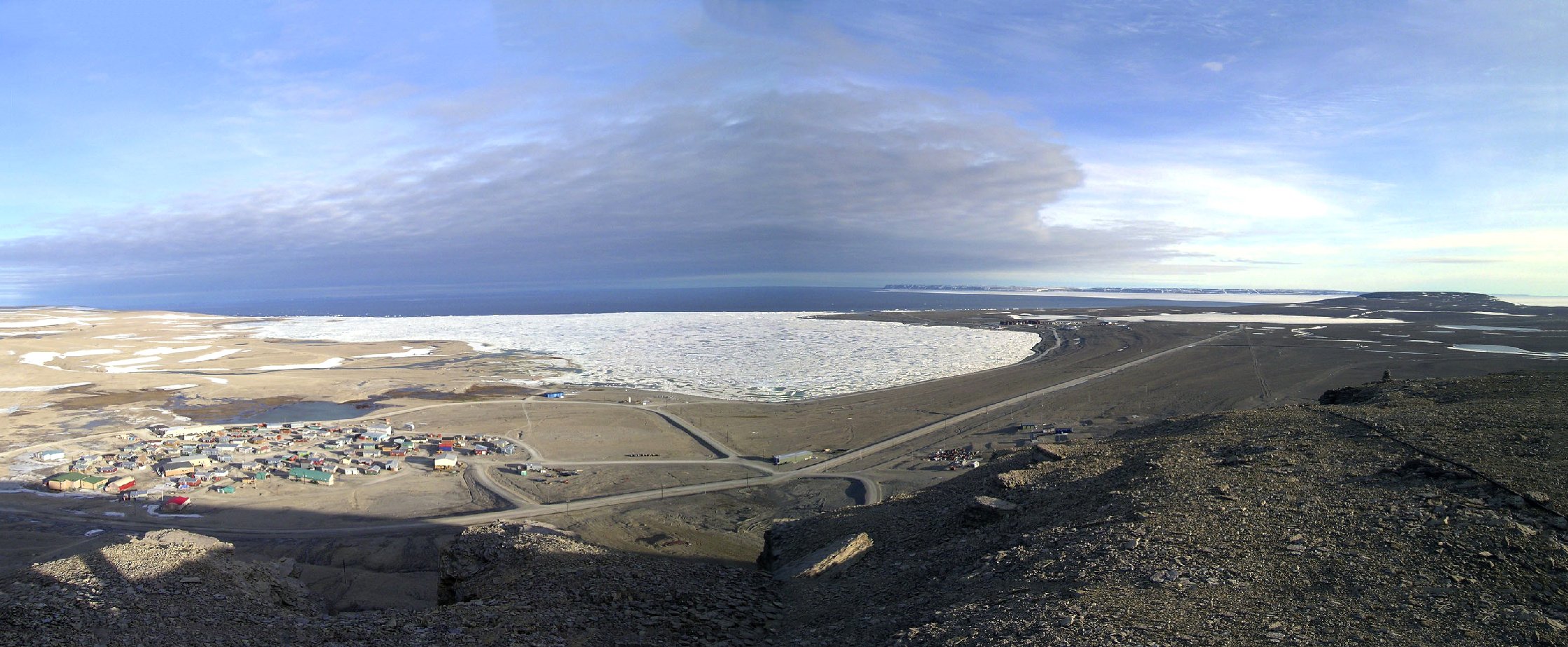
Resolute is one of the most northerly communities in Canada, a tiny Inuit hamlet of roughly 200 people on the south coast of Cornwallis Island. At nearly 75 degrees north, it sits in the heart of the High Arctic, where winter darkness lasts months and summer brings 24-hour daylight.

The hamlet exists largely because of science and exploration. It is home to the Polar Continental Shelf Program research station and a weather station, and serves as a staging point for expeditions to the North Pole, typically launched in spring when conditions are most favourable. Devon Island, the world's largest uninhabited island and a NASA Mars analogue research site, lies just 100 kilometres north across Lancaster Sound. Visitors come for the sheer remoteness, the chance to see Arctic wildlife including muskoxen and polar bears, and the otherworldly landscape of ice and tundra. The midnight sun and northern lights are extraordinary depending on the season.

Getting here requires a flight from Yellowknife or Iqaluit via Canadian North. There are no roads connecting Resolute to anywhere else. Accommodation is extremely limited, so plan well ahead.

Guide

Getting There

Getting to Resolute requires a flight from Yellowknife or Iqaluit via Canadian North, which operates scheduled services to Resolute Bay Airport (IATA: YRB). There are no roads connecting Resolute to the rest of Canada, and no ferry service. Flights are expensive and can be disrupted by weather; build flexibility into any itinerary.

Accommodation is extremely limited — the main options are the Narwhal Inn and the accommodation associated with the PCSP base (for researchers only). Book well in advance, particularly for the spring expedition season (March to May) when the hamlet fills with scientists and North Pole expedition teams staging for their journeys. Most organised tours include accommodation as part of the package.

Guide

Things to Do

Resolute is not a conventional tourist destination — it is a staging post for Arctic expeditions and a place to experience the High Arctic on its own terms. The Polar Continental Shelf Program base is the operational heart of Canada's Arctic research effort and an interesting insight into how scientists and explorers use this remote settlement as a launching point. Devon Island day trips offer a chance to set foot on the world's largest uninhabited island, used by NASA as a Mars analogue site. Arctic wildlife watching — muskoxen, polar bears, Arctic foxes, and beluga whales — is the main draw for most non-scientist visitors. The midnight sun and northern lights offer extraordinary natural spectacles depending on the season. Resolute also sits at the gateway to the Northwest Passage, one of the most historically charged waterways in exploration history.

Guide

When to Go

The choice of season entirely determines what you will experience in Resolute.

Spring (March to May) is the expedition season. The sea ice is solid and the days are growing longer. This is when North Pole expeditions stage through Resolute, when the PCSP base is most active with researchers, and when organised Arctic adventure tours (dog sledding, snowmobile expeditions) operate. Polar bears are on the move. Temperatures are still severe — minus 30°C or colder in March — so proper cold-weather equipment is essential.

Summer (late June to August) brings 24-hour daylight and the brief flush of Arctic life. Wildlife is most diverse, with migratory birds nesting on the tundra and beluga whales in the channels as the ice breaks up. Sea kayaking and hiking become possible. This is the warmest time, but temperatures rarely exceed 5–10°C and weather can change quickly. The midnight sun is extraordinary but hard to photograph without a special filter.

Autumn and winter are for those specifically seeking polar darkness and northern lights. Temperatures plunge to minus 40°C and lower. Travel and logistics become much harder. Only those with specific experience in extreme cold should consider visiting without a guided expedition.

Whatever the season, book flights and accommodation months in advance — capacity is tiny and demand from researchers and expedition teams is high.