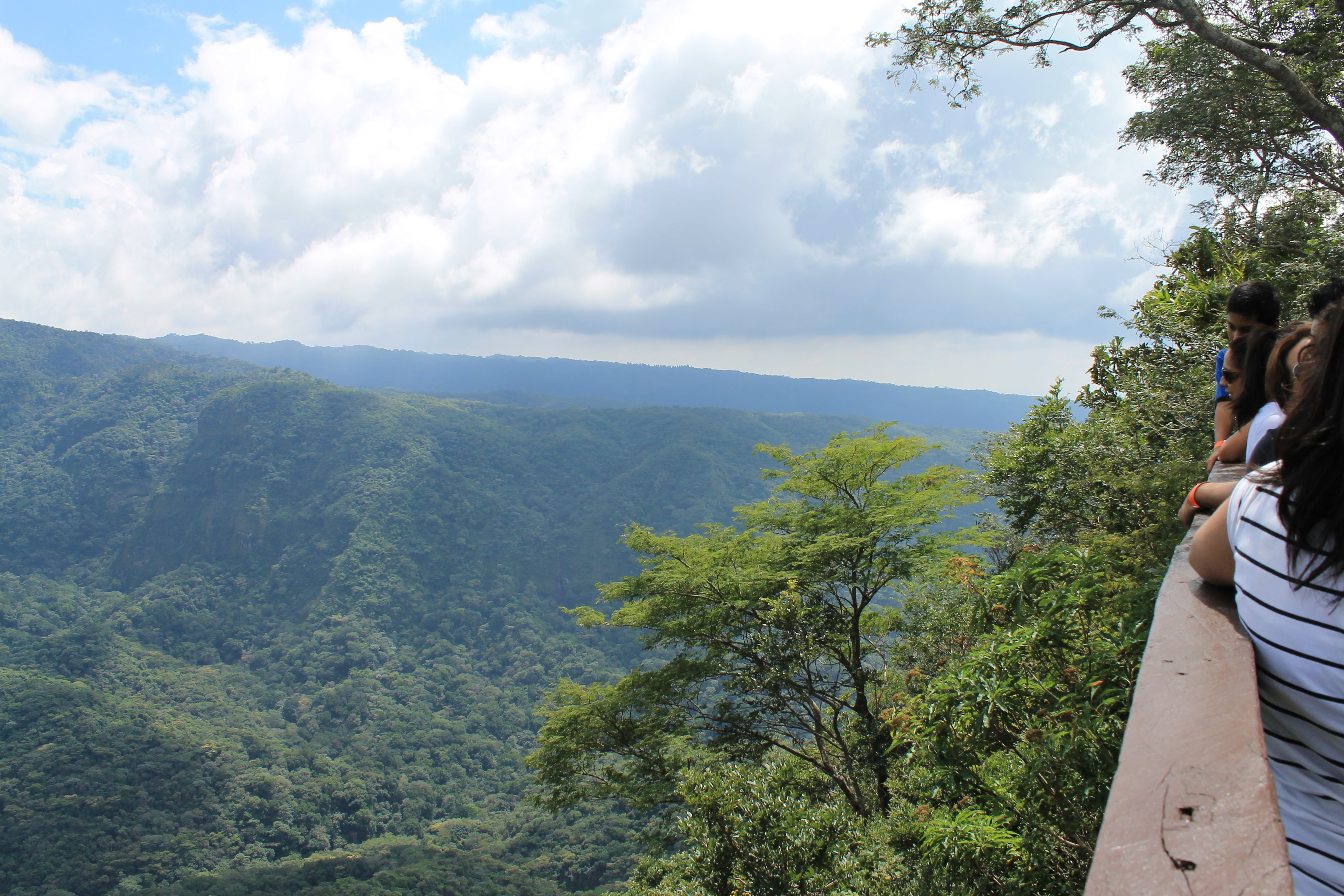
El Imposible National Park
©
El Imposible National Park

El Imposible National Park

Rugged Pacific-slope forest park in western El Salvador, prized for hiking, birds, and ravines.

El Imposible National Park protects one of El Salvador's most important remaining forests, a steep slice of Pacific-slope wilderness in Ahuachapan department. The name sounds theatrical, but it comes from a real problem: the old gorge crossing here was once so dangerous for pack animals and coffee transport that locals called it impossible.

The park is not a quick roadside viewpoint. It is for travellers who want heat, forest, birds, river crossings, and trails that feel genuinely removed from the town-and-beach circuit. El Imposible Forest Trails are the main draw, usually done with a local guide.

Most visitors approach from the Ruta de las Flores side, especially Tacuba, or from the lower coastal plain around San Francisco Menendez. If you have your own transport, the park combines well with the western highlands, but do not underestimate distances on rough rural roads.

Guide

Day Trips

El Imposible sits deep enough in western El Salvador that day trips require planning and your own transport, but the surrounding area rewards the effort.

The most compelling excursion is Cara Sucia, a pre-Columbian archaeological site on the coastal plain to the southwest. It is low-key by comparison with Tazumal — no polished visitor infrastructure, limited on-site interpretation — but it pairs naturally with a descent to the Pacific slope and rounds out a trip that might otherwise be all forest trails and highland towns.

Guide

Getting There

Tacuba is the most common highland gateway, with guides and transport easier to arrange than at the park edge. Access from San Francisco Menendez and the coastal plain is possible but more awkward without local help. Roads can be slow after rain, so confirm conditions before setting out and do not plan a tight same-day connection.

Guide

When to Go

The dry season, roughly November to April, is the most straightforward time for hiking. The forest is greener in the rainy season, but trails become slippery, rivers rise, and access roads can deteriorate. Start walks early in any season, before the lower slopes heat up.