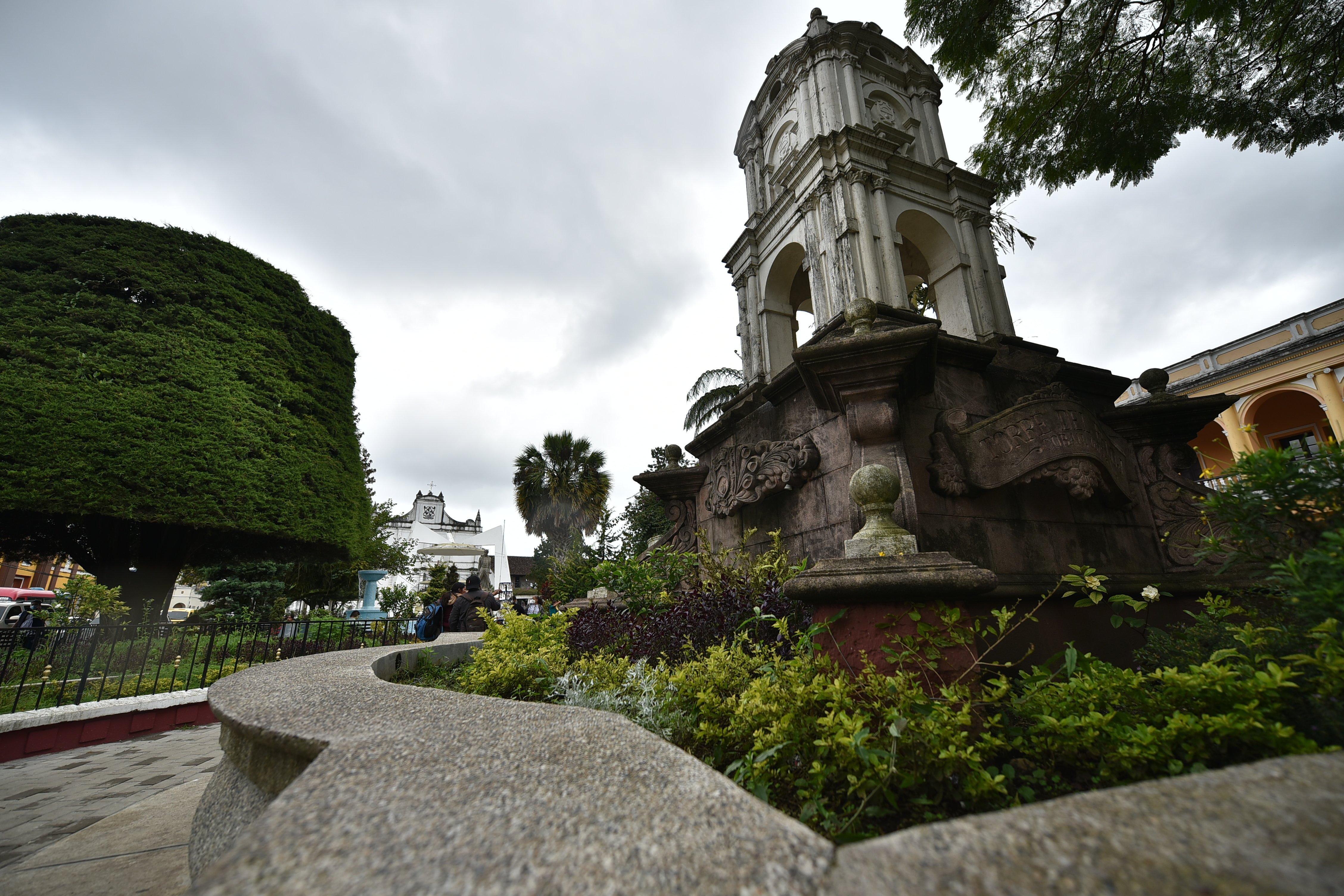
Cloudy Alta Verapaz capital surrounded by coffee, cardamom hills, and the limestone pools of Semuc Champey.
Cobán is the capital of Alta Verapaz, set among cloud-covered hills at 1,320 metres, about four hours north of Guatemala City by bus. The surrounding region is one of the wettest in Guatemala — the clouds rarely lift entirely, giving it a permanently green, misty character that locals call "chipi-chipi" (fine drizzle).
The region produces some of Guatemala's finest coffee and cardamom, and a visit to a coffee farm during harvest (October to February) is one of the better excursions in the area. Semuc Champey — limestone bridges over the Cahabón River, filled with clear turquoise water — is about 60 km from Cobán and justifies the journey on its own. The Grutas de Lanquín, caves with a dramatic river flowing through them, are on the same road.
Cobán itself is a relaxed provincial town with a pleasant central park and cathedral. The National Folklore Festival in late July/early August brings indigenous performers from across the country. The Q'eqchi' Maya are the dominant indigenous group in this region, and their influence is visible in local food, textiles, and the town's ceremonial life. Las Victorias National Park on the edge of town has cloud forest trails and an orchid collection.
Guide
Bars and Cafes
Cobán is not a late-night town by regional standards, but it has a decent cafe culture driven partly by the local coffee industry. The best coffee in the region is grown on farms in the surrounding hills, and several cafes in town serve single-origin Alta Verapaz brews that are genuinely excellent.
Cafe El Tirol on Central Park is the most reliable coffee stop for travellers — owner-operated, outdoor seating in a small courtyard off the main square, and a wide selection of coffee drinks made from locally grown beans. It is a good place to ask for current tour recommendations. Casa D'Acuña on Avenida 3 combines a hostel, restaurant, and bar; the wine list is long if variable in quality, and the atmosphere makes it an easy place to spend an evening. For local bar culture, Bokatas a couple of blocks from the park draws a young local crowd for beer and bottled drinks with Spanish-style food.
Guide
Eating Out
Cobán has a small but decent range of restaurants, most of them in the centre within walking distance of the park. Q'eqchi' Maya cooking is the local baseline — corn-based dishes, black beans, and stewed meats — and several restaurants do good versions of regional Guatemalan food alongside more generic tourist menus.
Casa D'Acuña on Avenida 3 is consistently recommended for its atmosphere and varied menu; it doubles as a hostel and the food is better than most hostel restaurants. El Peñascal on the road north of the centre serves regional dishes including kaq'ik, a Q'eqchi' turkey soup made with chillies and herbs that is one of Alta Verapaz's signature dishes. Café El Tirol on the central park does simple breakfasts and light meals alongside its excellent coffee. For cheap local eating, the market stalls in the central market serve hot food throughout the day at very low prices.
Guide
Getting There
Cobán is about four hours from Guatemala City by bus on a decent road through the mountains. Regular buses and minibuses depart from Guatemala City's Terminal del Norte (Zone 7) throughout the day; the journey takes three to four hours depending on traffic and the number of stops. Shuttle buses from Antigua and Flores can also be booked through tour operators in those towns, though they charge more than the local services.
The road via El Rancho junction (CA-14) is the main route — well paved and straightforward in daylight. Night travel is not recommended on Guatemalan mountain roads in general.
Cobán Airport (IATA: CBV) is 7 km west of town. Domestic flights to/from Guatemala City operate occasionally, though schedules are unreliable; check with local operators before counting on air access.