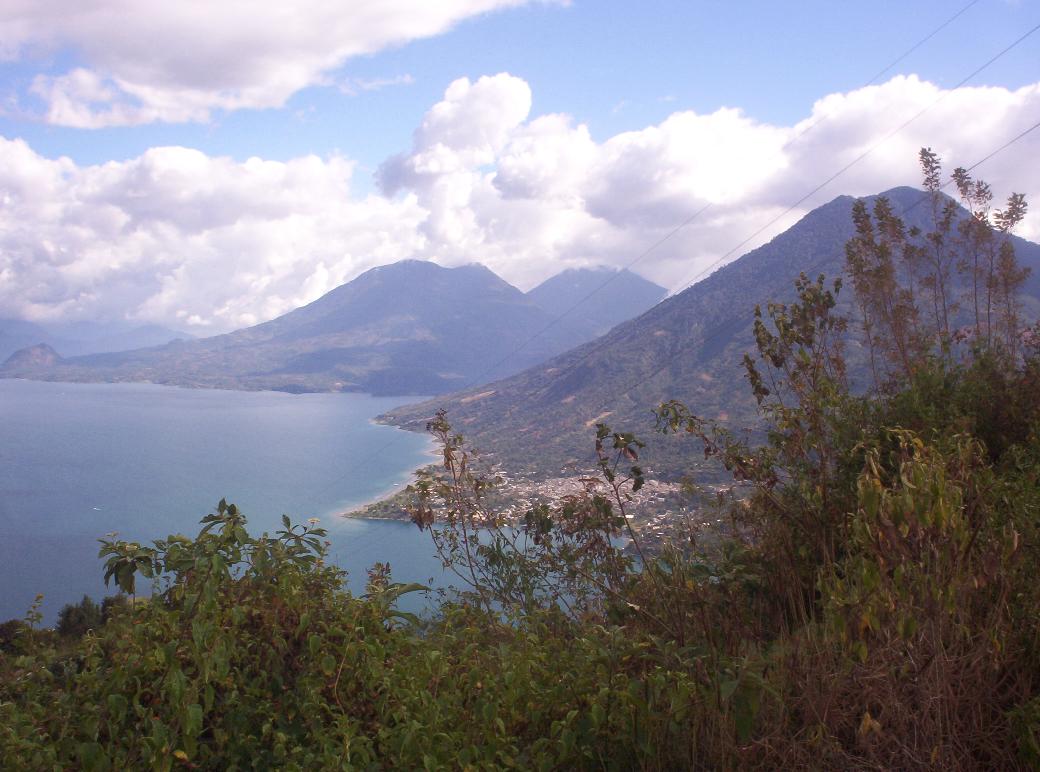
Guatemala is a small country — roughly the size of Tennessee — that packs in an astonishing range of landscapes, cultures, and history. There are 37 volcanoes, highland lakes of absurd beauty, lowland jungle containing some of the greatest Maya cities ever built, a Pacific coast of black volcanic sand, and a short stretch of Caribbean coast that feels like a different country entirely.
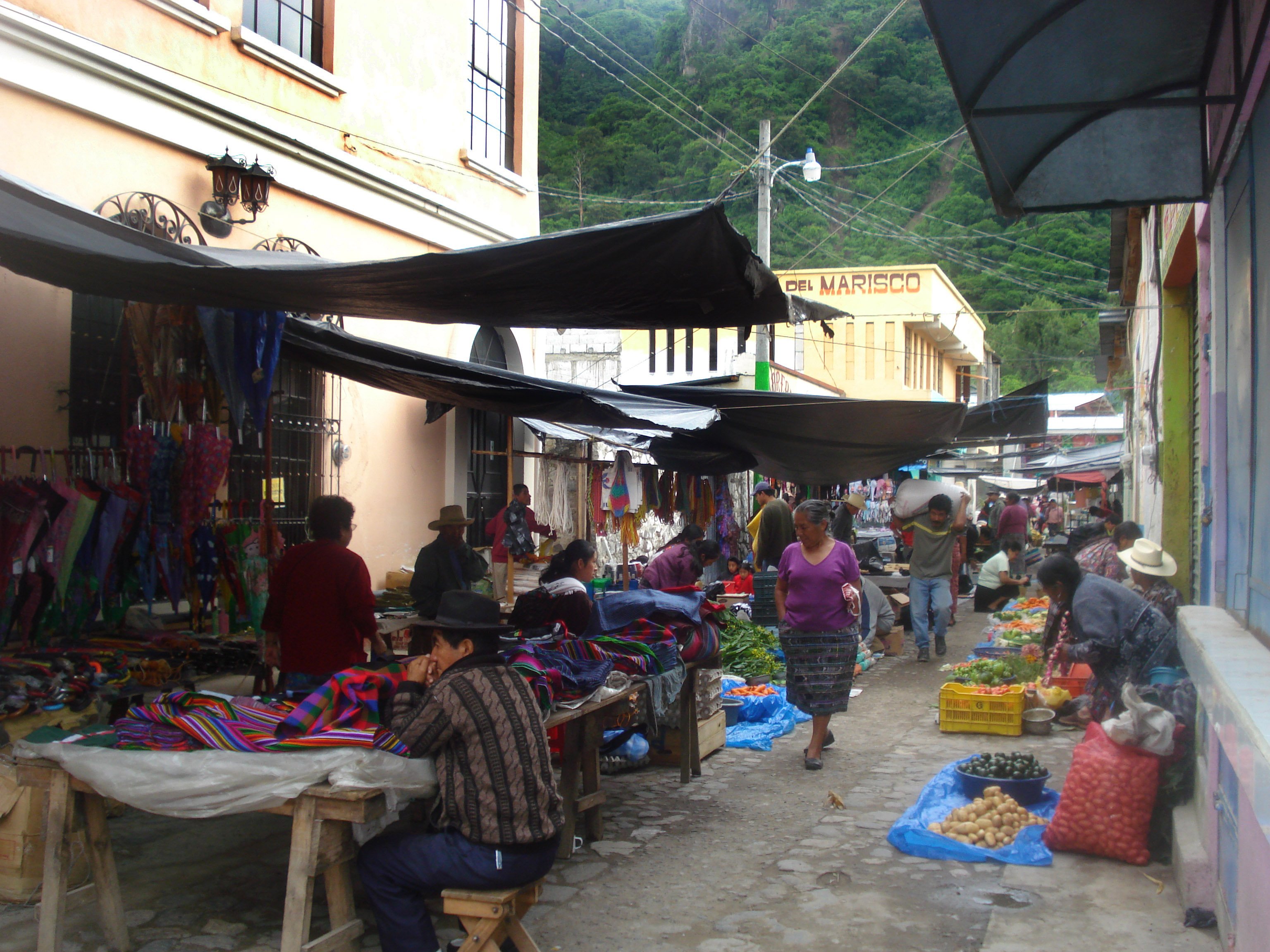
About 44% of Guatemala's 17 million people are indigenous Maya, speaking 21 distinct Mayan languages alongside Spanish. This is not museum culture. In highland markets like Chichicastenango, in the weaving cooperatives around Lake Atitlán, and in the ceremonies that blend Catholic and pre-Columbian Maya ritual in towns across the western highlands, Maya culture is alive and continuous. Understanding this — and approaching it with respect — is what separates a good Guatemala trip from a superficial one.
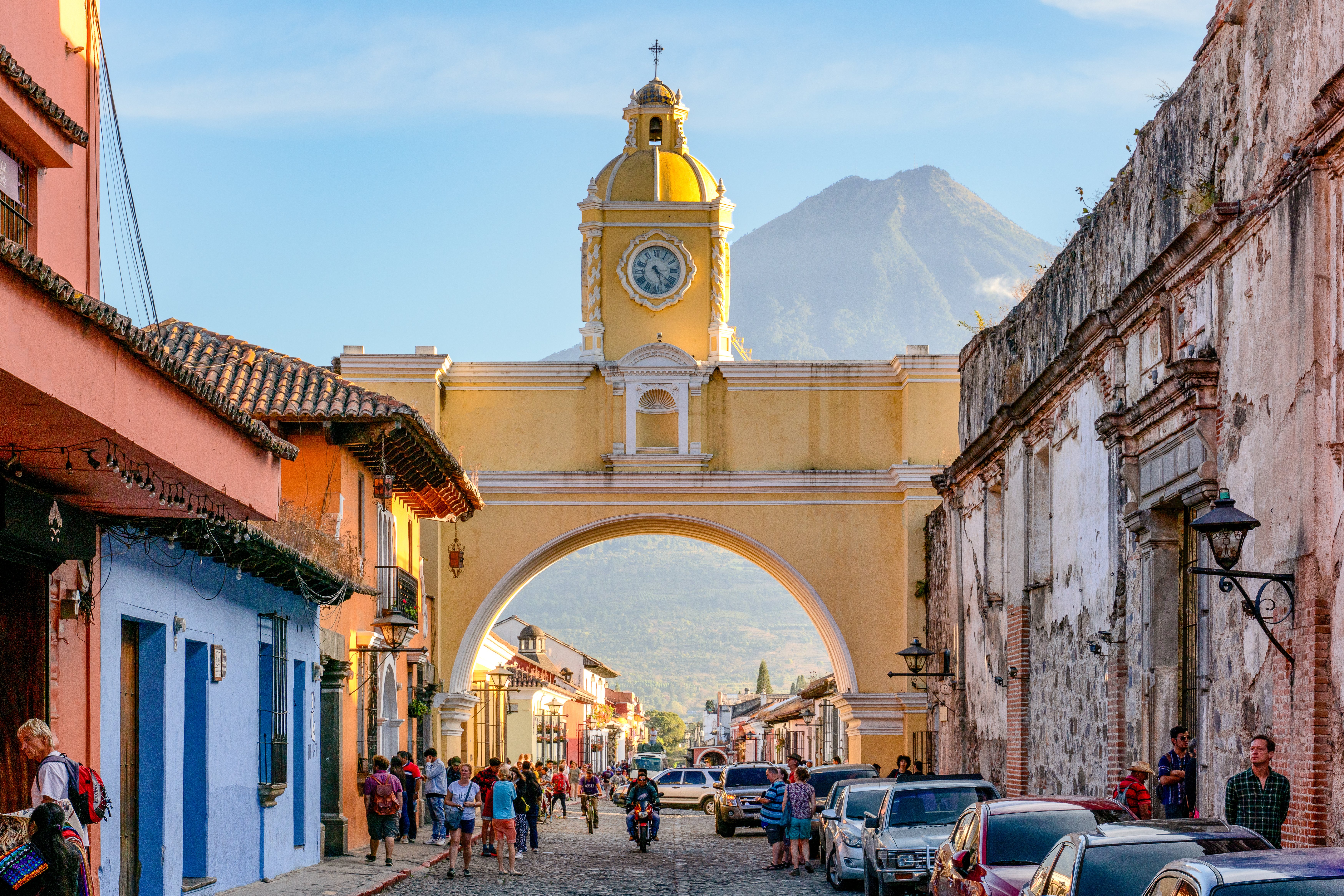
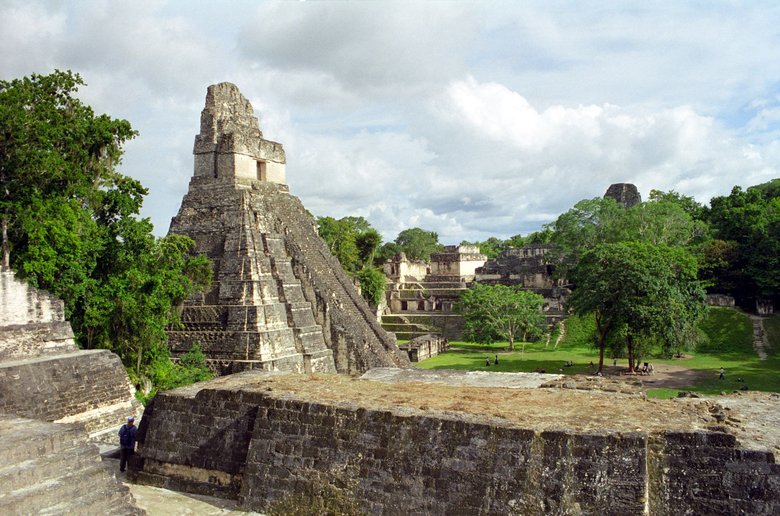
The country has two natural entry points for travelers. Antigua Guatemala, the old colonial capital an hour from Guatemala City, is beautiful, comfortable, and a reasonable base for volcano hikes and day trips. Flores in the north, near the Mexican border, is the staging post for Tikal — the jungle Maya metropolis that is among the most impressive archaeological sites in the Western Hemisphere.
Between those poles there is Lake Atitlán, Quetzaltenango, Cobán, the Cuchumatanes highlands, and Livingston on the Caribbean coast. Most travelers see only Antigua and Tikal. The country rewards those who push further.
The civil war (1960–1996) left deep scars, particularly in indigenous communities that bore the brunt of state violence. Crime remains significant, especially in Guatemala City and certain rural corridors. But the main tourist areas are safer than their reputation suggests, and the generosity and directness of Guatemalans — once you get past the larger cities — makes travel here unusually rewarding.
Guatemala's national bird is the resplendent quetzal, a cloud-forest bird of spectacular plumage that was sacred to the ancient Maya and is now critically endangered. The national currency shares its name. Seeing one in the wild, in the highland forests near Cobán or in the Sierra de las Minas, is an ambition worth organizing a trip around.