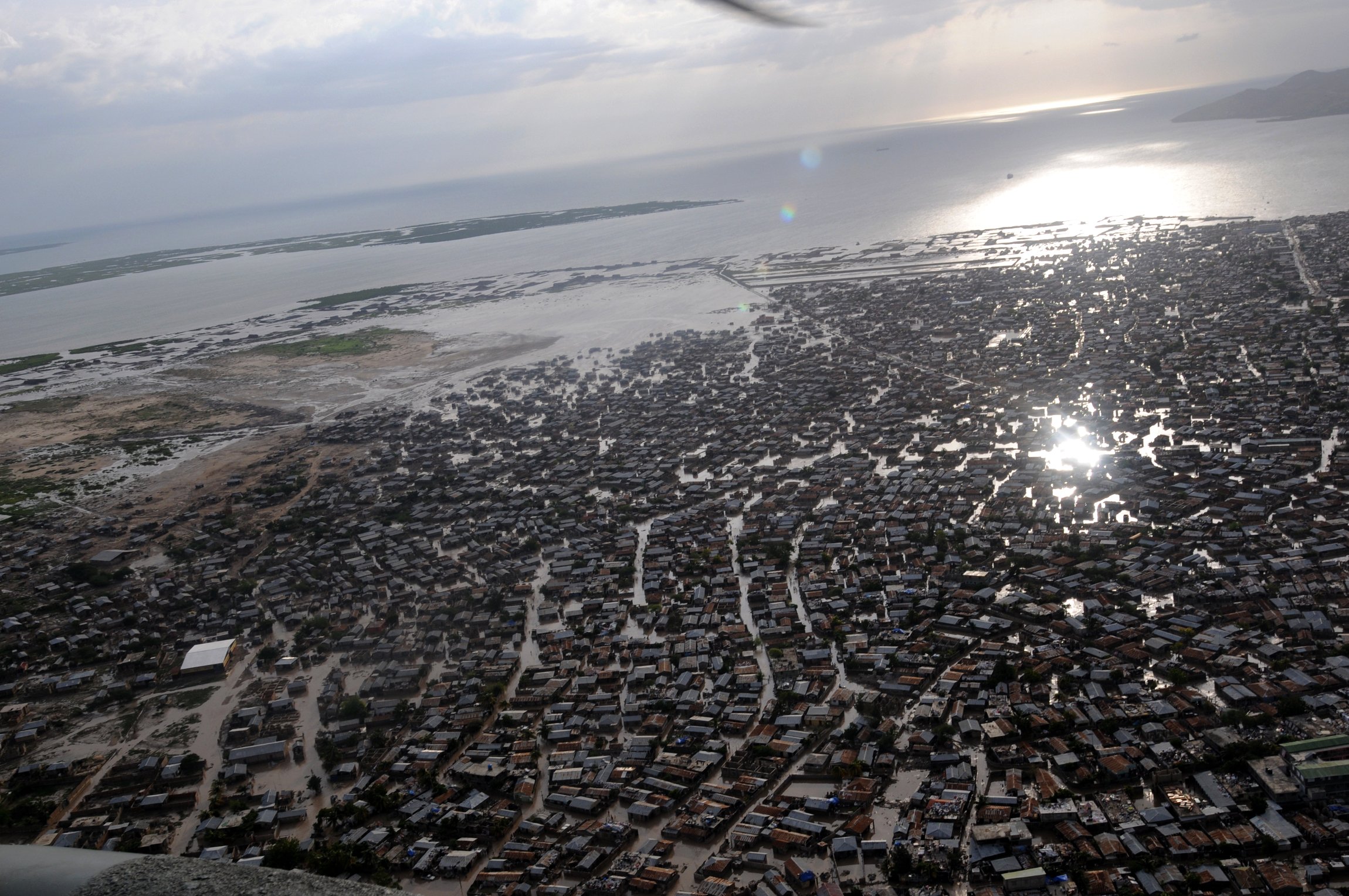
Port-de-Paix is the capital of Haiti's Nord-Ouest department, a small port town on the north coast looking across the channel to Tortuga Island. It was founded in 1665 by French buccaneers who had been pushed off Tortuga by the Spanish, and for a while in the seventeenth century it was the de facto capital of French Saint-Domingue. Almost none of that history is visible today.
The town now is poor, dusty, and largely cut off. The road from Cap-Haïtien improved in recent years but is still slow; many travellers arrive at Port-de-Paix Airport on the short hop from Port-au-Prince. The port handles a steady illicit trade with Miami and the Bahamas, which gives the waterfront a busy, slightly tense atmosphere. The market by the cathedral is the centre of daily life.
For visitors, the real reason to come is to keep going — to catch a boat to Tortuga, the long flat green island a few kilometres offshore that gave English the word "buccaneer." Boats leave from the small jetty when they have enough passengers. The crossing takes about half an hour and the water is often rough.
Port-de-Paix itself rewards a half day. Walk the seafront, sit with a coffee in the central square, look at the cathedral, and then move on.