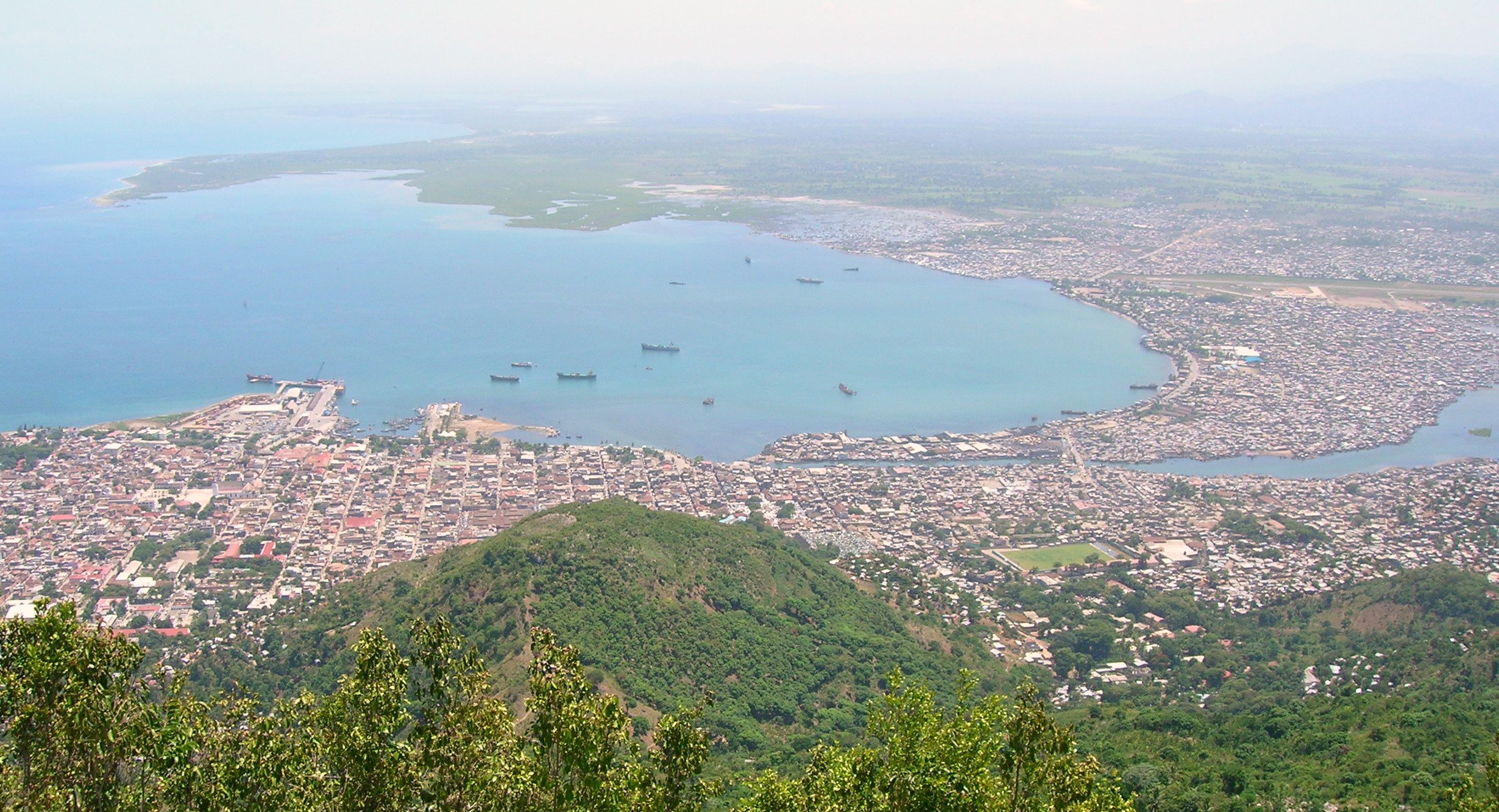
Cap-Haïtien is located on historic ground: Columbus made landfall nearby and celebrated the first Christmas in the New World in 1492. Today it is Haiti's second city, a port town of around 300,000 people with a well-preserved colonial street grid and a more relaxed atmosphere than Port-au-Prince.
The city has long supported a strong community of visual artists — painters, sculptors, and craftspeople whose studios and small galleries dot the old town. The Notre-Dame Cathedral anchors the main square. Some of Haiti's finest beaches are nearby, particularly Labadie and Cormier Plage to the north. But the main reason to visit Cap-Haïtien is to see the Citadelle Laferrière and Sans-Souci Palace at Milot, about an hour's drive to the south — two of the most remarkable historical monuments in the Americas, and together a UNESCO World Heritage Site. The Battle of Vertières monument, where Haiti's independence was won in 1803, is just 3 kilometres from the city centre.
Cap-Haïtien has been more accessible than Port-au-Prince during recent years of unrest, and is currently the main entry point for most visitors to Haiti. Its international airport (CAP/MTCH) has remained open when Toussaint Louverture in the capital has not.