Gracias
©
Gracias

Gracias

Western Honduran colonial town below Celaque, the country's highest peak and cloud-forest national park.

Gracias is a quiet colonial town in the mountains of western Honduras, founded in 1536 and briefly the capital of all Central America. It sits at the foot of Celaque, the country's highest peak at 2,849 metres, and serves as the gateway to Parque Nacional Montaña de Celaque — one of the best cloud forest hikes in Honduras.

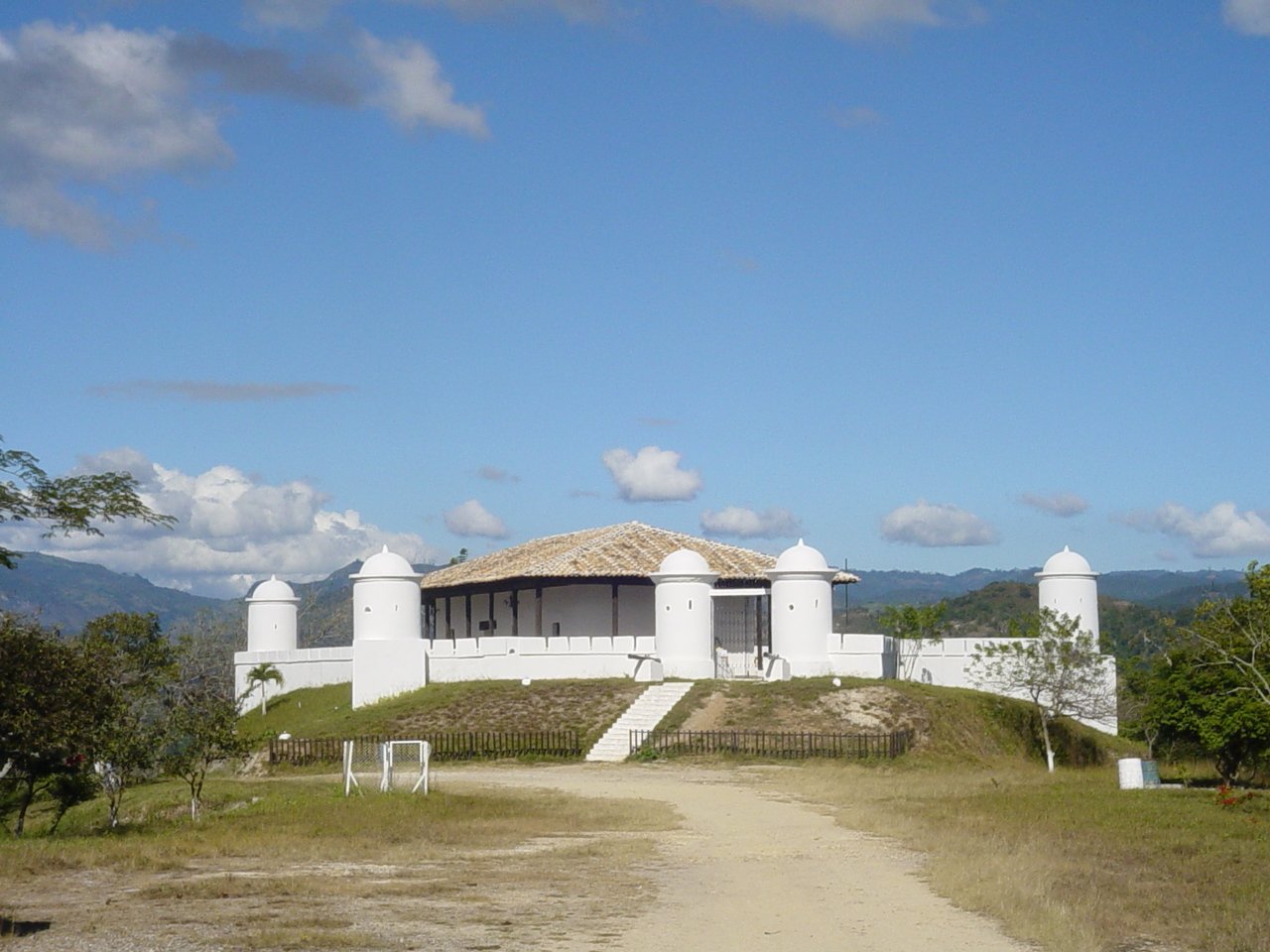
The town itself has cobblestone streets, a handful of crumbling churches, and the restored Fuerte San Cristóbal on a hill overlooking the valley. Below the fort, the Aguas Termales — natural hot springs fed by volcanic activity — make for a good soak after a day of hiking. The pace is slow and the tourism infrastructure is basic but friendly — a few small hotels, comedores serving baleadas and plato típico, and not much else.

Gracias is about five hours by bus from San Pedro Sula on a winding mountain road. Most travellers come for the Celaque trek, which takes two days with a night at the summit shelter, but the town is worth a day or two on its own for its colonial atmosphere, Lenca villages in the surrounding hills, and the quiet Parque Central that anchors it all.

Guide

Getting There

Gracias is connected to the rest of Honduras by a winding mountain road through the Lempira Department. Direct buses run from San Pedro Sula (roughly 5–6 hours, with departures in the early morning) and from Santa Rosa de Copán (about 2–3 hours), which serves as a regional hub. The road from Santa Rosa is the most reliable approach and passes through attractive highland scenery.

A small regional airstrip (Celaque Airport) exists near town but sees minimal scheduled service. The vast majority of travellers arrive by bus. From Copán Ruinas, expect a connection through Santa Rosa — allow a full day of travel. There is no direct international access.

Guide

When to Go

Gracias sits at around 800 metres elevation and has a pleasant highland climate. The dry season (November through April) is generally the best time to visit — trails are passable and the days are sunny. The wet season (May through October) brings daily afternoon rain that can make the Celaque trail slippery and the summit views rare.

For the Celaque hike specifically, February and March offer the best conditions: dry trails and higher chance of clear summit views. The town itself is worth visiting year-round; a bit of highland rain doesn't diminish the colonial streets.