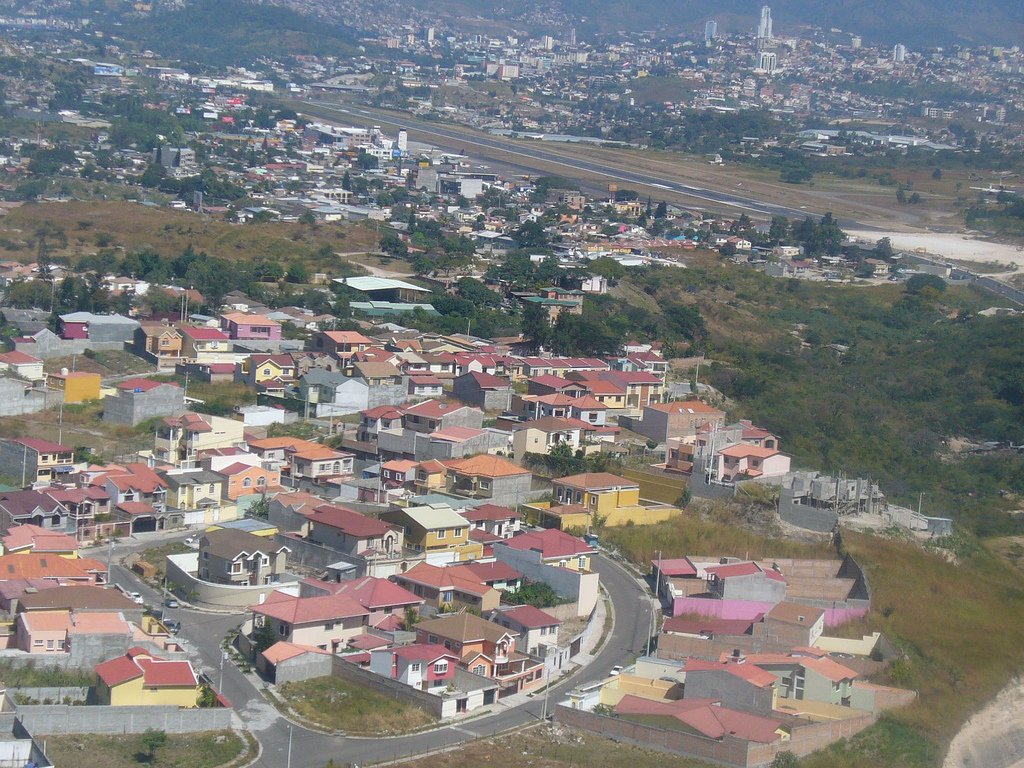
Tegucigalpa — known as Tegus — is the capital of Honduras, a city of around 1.4 million people spread across hilly terrain at about 1000m elevation. It is not a beautiful city, but it has more to offer than its reputation suggests, and as a starting point for exploring the south and centre of the country it serves well enough.
The colonial centre around Parque Central has a few worthwhile churches and museums, including the National Gallery of Art in a colonial convent building. The Basílica de Suyapa, about 5 km east of the centre, draws pilgrims from across Central America and is one of the most important Catholic shrines in the region. The Parque Nacional La Tigra, a cloud forest reserve about 22 km northeast of the city, is accessible as a day trip and has excellent birdwatching including occasional quetzal sightings.
Day trips from the capital include Comayagua, the old colonial capital about 80 km north. It is well worth an afternoon.
Safety in Tegucigalpa requires real attention. Stick to the main tourist and commercial areas, use radio-dispatched taxis, and avoid walking in unfamiliar neighbourhoods at night. The city has improved significantly in recent years but remains a place where situational awareness matters.