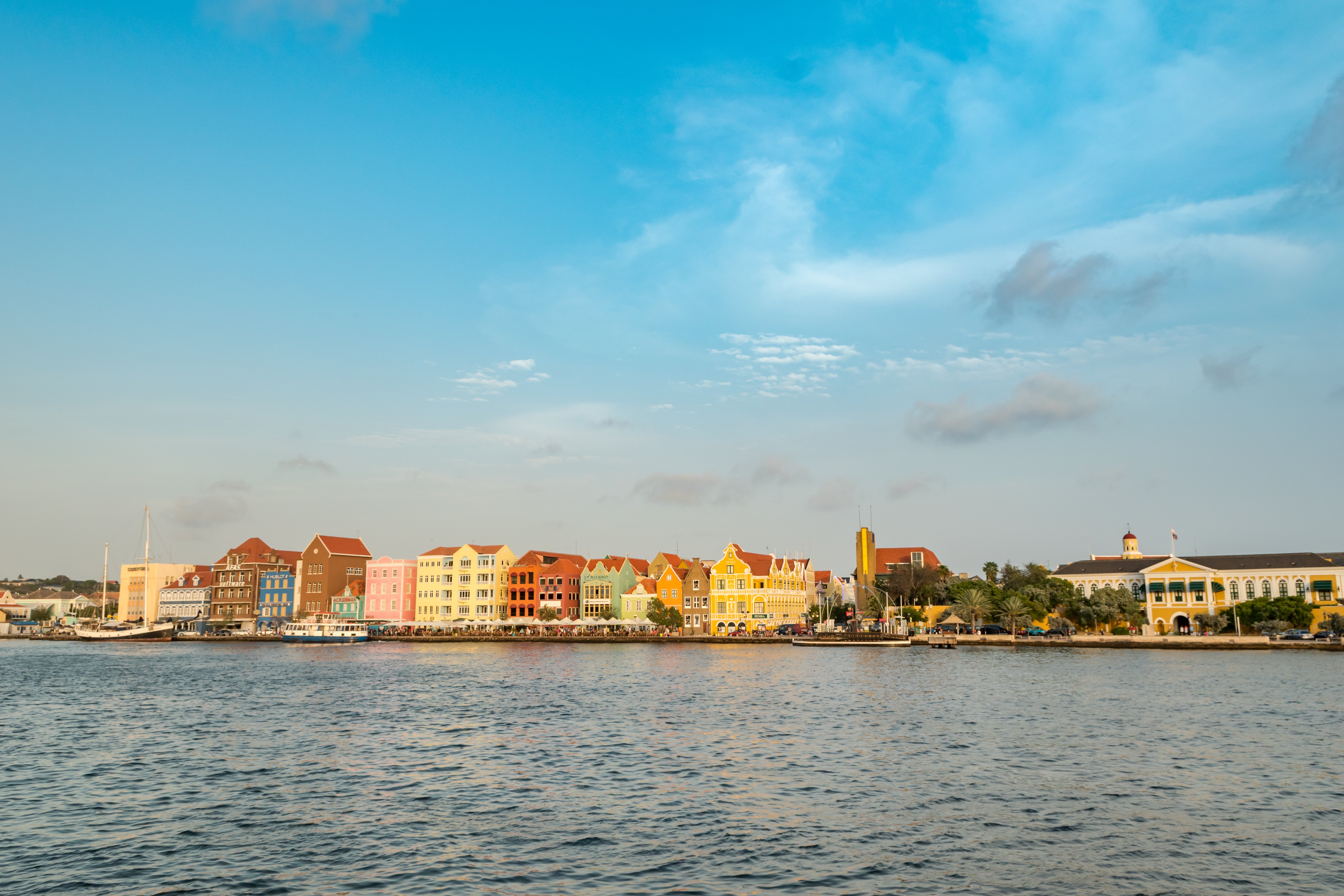
The Netherlands Antilles was a Caribbean territory of the Netherlands comprising six islands in two groups, dissolved in 2010 when the islands gained different constitutional statuses. The name persists in travel writing and in the memory of travellers who visited before the political changes. The islands — Curaçao, Bonaire, Aruba, Sint Maarten, Sint Eustatius, and Saba — are spread across a wide arc, the ABC islands lying just off the Venezuelan coast and the SSS islands sitting in the northeastern Caribbean near Anguilla and Saint-Barthélemy.
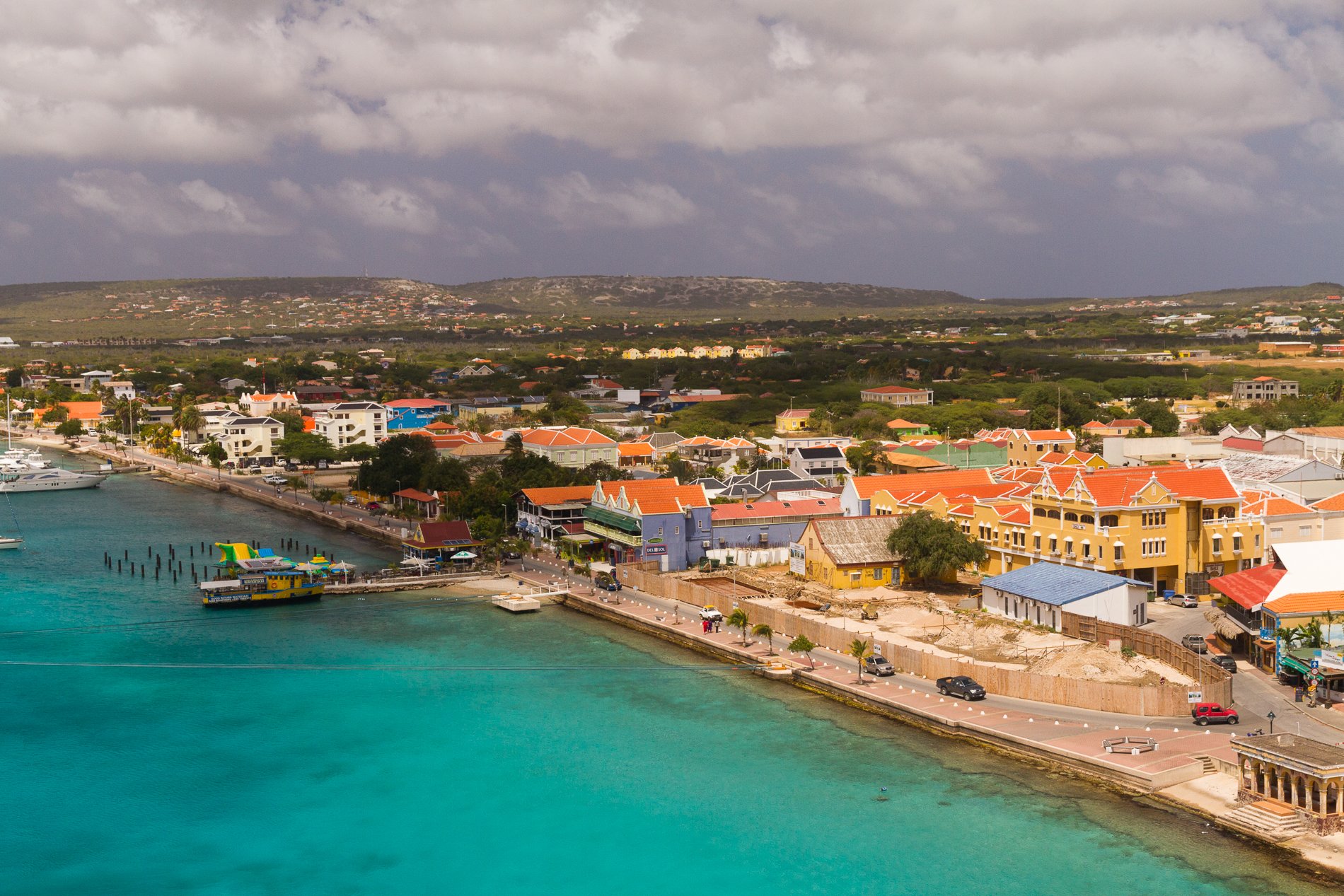
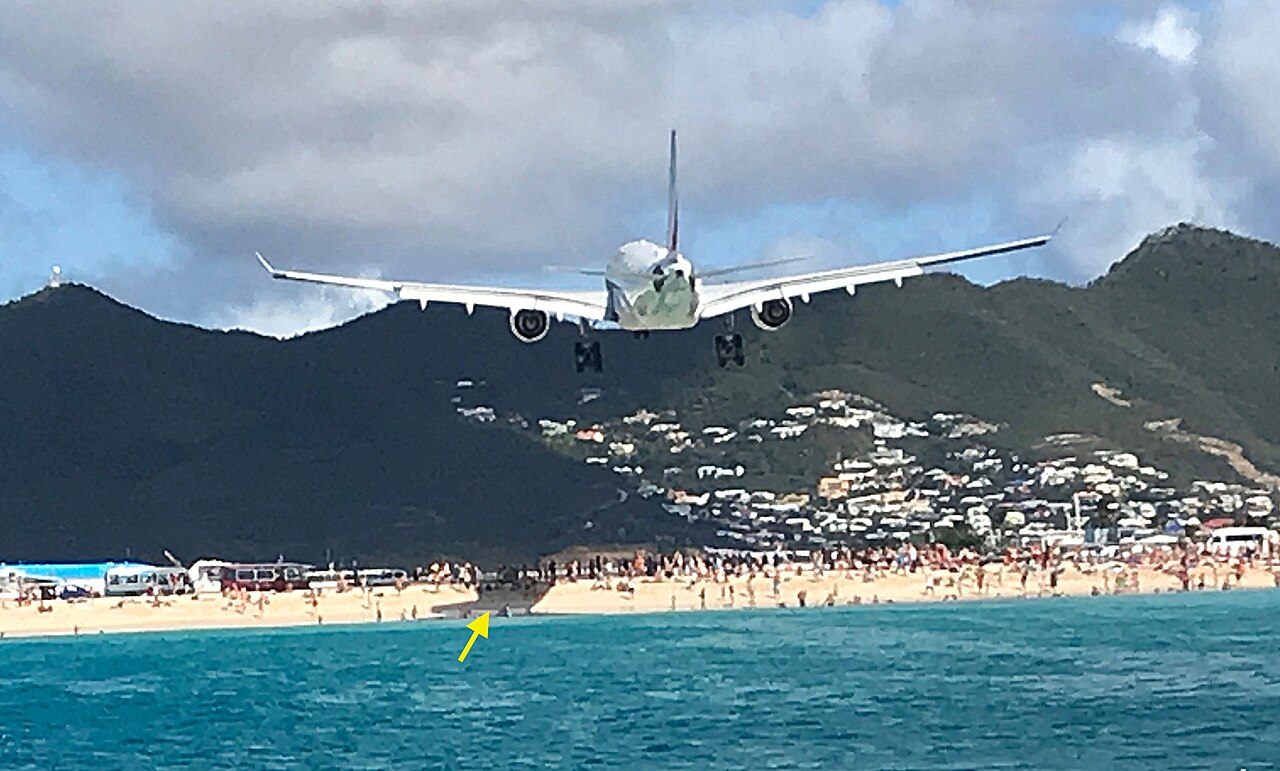
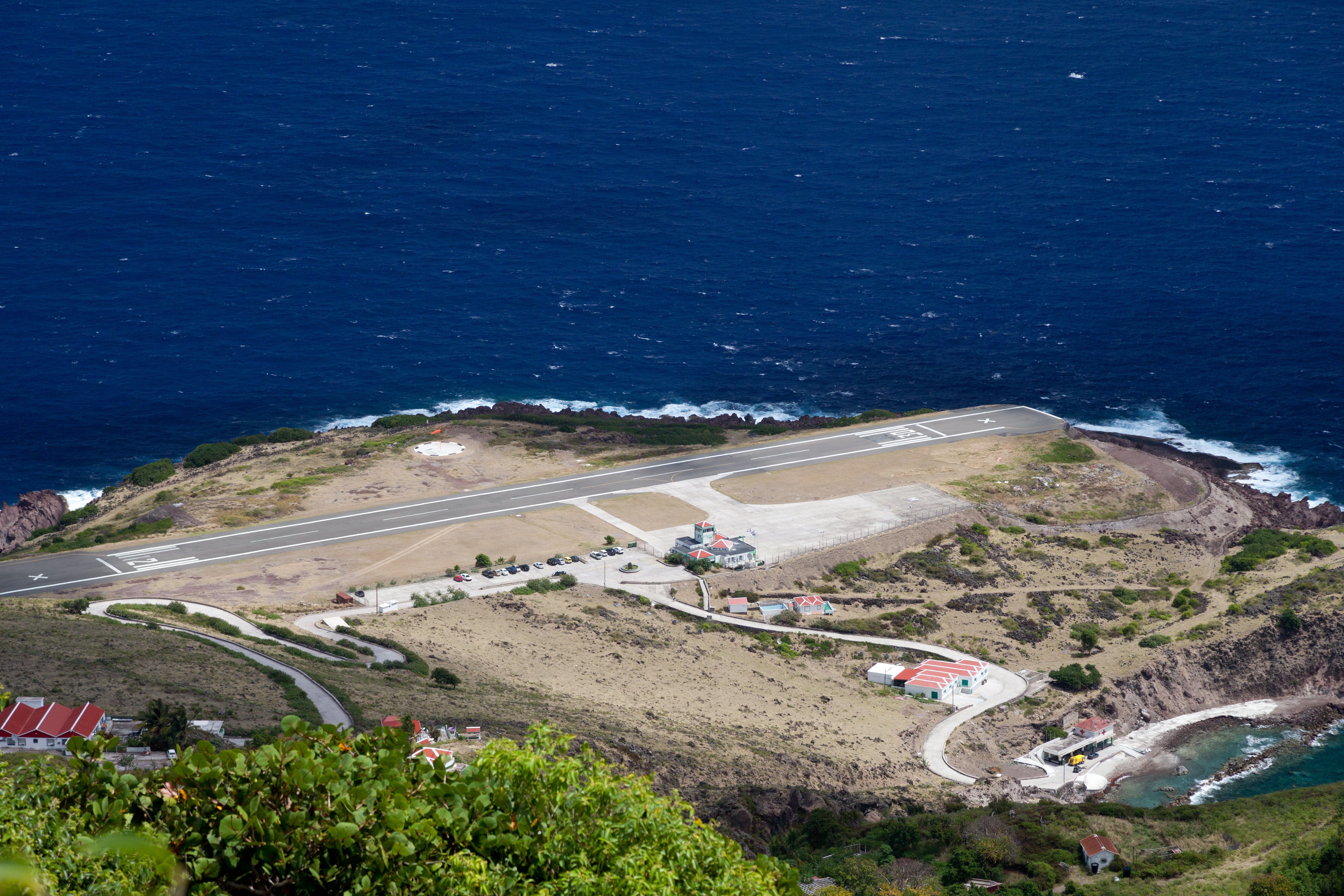
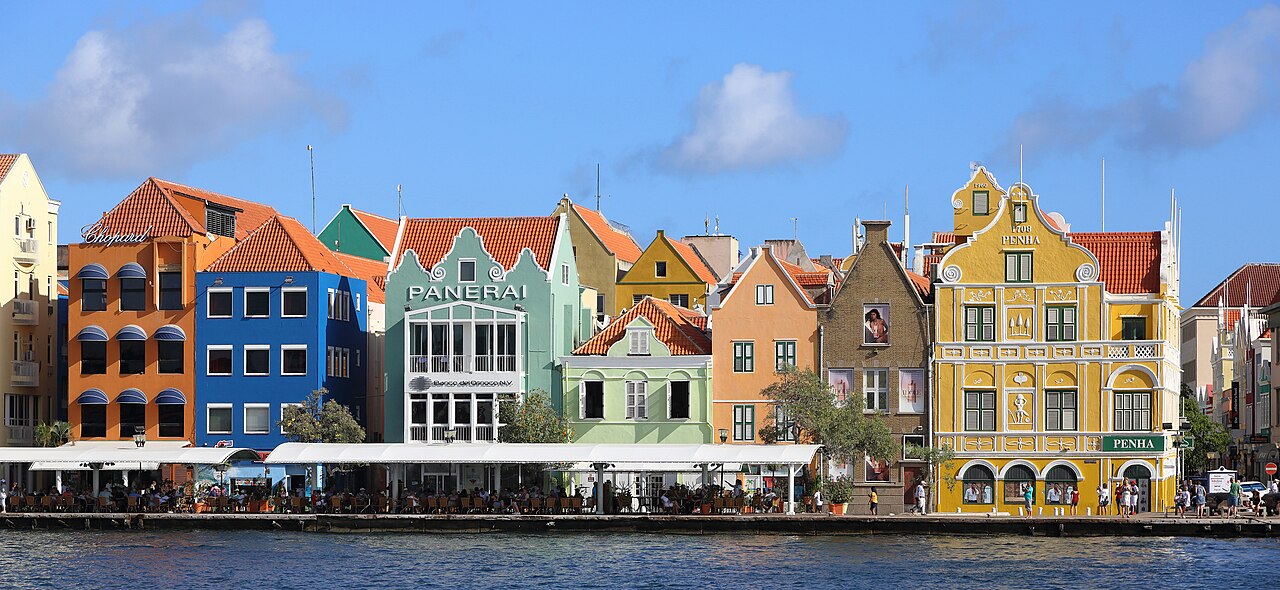
The ABC islands (Aruba, Bonaire, Curaçao) are flat, dry, and sunny year-round, lying outside the hurricane belt. Curaçao is the largest and most densely populated, with Willemstad — its capital of Dutch colonial architecture painted in Caribbean colours — now a UNESCO World Heritage Site. Bonaire is the quietest of the three and has built its reputation on diving and kitesurfing; its reefs are among the most accessible and well-preserved in the Caribbean. The SSS islands are much smaller: Saba is a volcanic cone famous for excellent diving and dramatic scenery, Sint Eustatius retains significant colonial-era ruins, and Sint Maarten shares an island with the French territory of Saint-Martin.
Despite dissolution, the islands share a Dutch colonial heritage, a mix of languages (Dutch, Papiamento, English), and a strong diving culture. All six are worth visiting for quite different reasons.