St Maarten
©
St Maarten

St Maarten

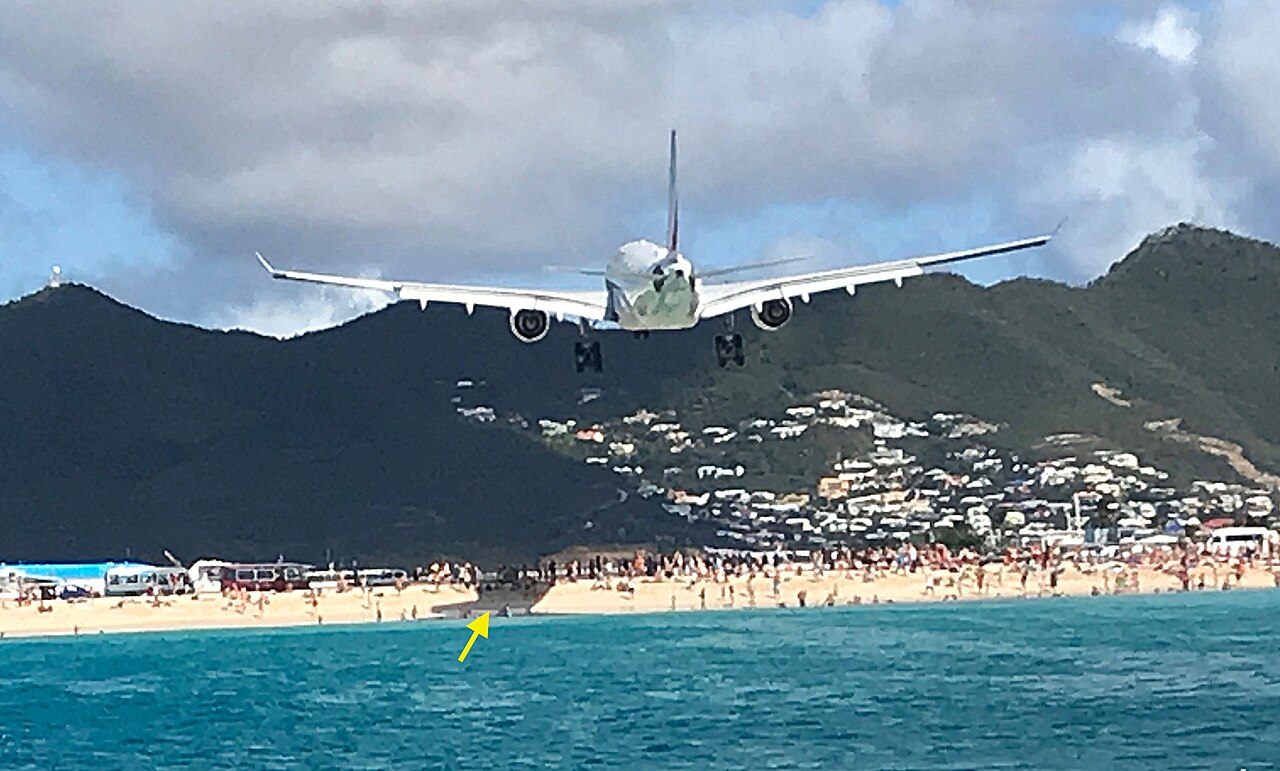
Caribbean island shared by Dutch Sint Maarten and French Saint Martin, famous for Maho Beach aircraft landings.

Sint Maarten, or Saint Martin as the French side is known, holds the distinction of being the smallest landmass in the world divided between two nations. The southern Dutch side and northern French side share just 87 square kilometers of Caribbean island, and you can drive from one end to the other in under an hour. The border is essentially unmarked -- no passport control, no customs, just a modest monument on the road. This dual personality gives the island a character unlike anywhere else in the Caribbean, blending Dutch efficiency and French savoir-vivre with Caribbean warmth.

The island's most famous sight is also its most absurd. Maho Beach, on the Dutch side near Princess Juliana International Airport, puts you directly under the flight path of incoming jets, which clear the beach fence by what seems like an impossibly small margin. The experience of standing on the sand as a 747 thunders overhead is genuinely thrilling and slightly terrifying. It has become one of the most photographed spots in the Caribbean, and for good reason.

The Dutch capital of Philipsburg stretches along a narrow strip of land between Great Bay and a salt pond, its Front Street lined with duty-free shops and cruise ship passengers. For a quieter and more characterful experience, head to the French side. Marigot has a relaxed harbor with waterfront bistros, and Grand Case is widely regarded as the culinary capital of the Caribbean -- a single street packed with French-Creole restaurants that range from beach shacks to white-tablecloth affairs. The food on the French side is genuinely outstanding.

Beyond the beaches and the restaurants, the island rewards exploration. Orient Bay on the French side is a beautiful stretch of sand with a section famously clothing-optional. Fort Amsterdam offers historical context and panoramic views. The hiking trail up Pic Paradis, the island's highest point at 424 meters, provides views across to neighboring Anguilla, Saba, and St. Barts. If you want duty-free electronics and jewelry, the Dutch side delivers. If you want long lunches and rosé, cross to the French side. Either way, this little island packs a remarkable amount into a very small space.

Guide

Getting Around

The island is small — you can drive from one end to the other in under an hour — and a rental car is by far the most practical way to explore both sides. Cars are available from the airport and from several local agencies; rates are competitive. Drive on the right throughout the island. Crossing from the Dutch to the French side requires no documentation — the border is unmarked except for a small monument.

Taxis are widely available but expensive for inter-island distances. Agree on a fare before getting in. Shared minibuses run along the main roads on both sides and are cheap but slow and infrequent.

The French side has slightly better roads and almost no traffic except during rush hour near Marigot. On the Dutch side, the road around the lagoon to Simpson Bay can be very slow during peak tourist season. Walking is practical in Philipsburg and in Grand Case, but not between destinations.

Guide

Getting There

Sint Maarten is served by Princess Juliana International Airport (SXM) on the Dutch side, one of the busiest airports in the Caribbean. Direct flights operate from Amsterdam (KLM), New York (JFK and Newark), Miami, Atlanta, and several other US cities. The airport was severely damaged by Hurricane Irma in 2017 and has been rebuilt; capacity has been restored but the reconstruction may still be visible.

Inter-island connections are frequent: short hops to Anguilla, St. Barts, Saba, and St. Eustatius run several times daily on small propeller aircraft or ferry. The ferry to Anguilla departs from Marigot on the French side (about 20 minutes) and is the most practical way to add a day trip to that island. The ferry to St. Barts from Oyster Pond (the lagoon on the French-Dutch border) takes about 45 minutes.

By cruise ship, Philipsburg's deepwater port handles large vessels directly without tendering.

Guide

When to Go

The best time to visit Sint Maarten is mid-December through April, the dry season, when the trade winds keep temperatures comfortable (around 27°C/80°F), rain is infrequent, and the sea is calm. This is also peak season — prices are at their highest and the island is busiest, particularly around Christmas and New Year.

May through July is a shoulder period: slightly hotter and more humid, but prices drop significantly and the island is less crowded. August through November is hurricane season, with September and October being the most active months. Hurricane Irma devastated Sint Maarten in September 2017, causing catastrophic damage; the island has largely rebuilt, but the hurricane season risk is real and worth factoring in.

Avoid visiting when multiple cruise ships are in port in Philipsburg if you can — check the schedule in advance, as the difference between a ship day and a non-ship day is considerable.