Hobe Sound
©
Hobe Sound

Hobe Sound

Atlantic Florida community between nature reserves, protecting scrub, river habitat, and old coastal landscape.

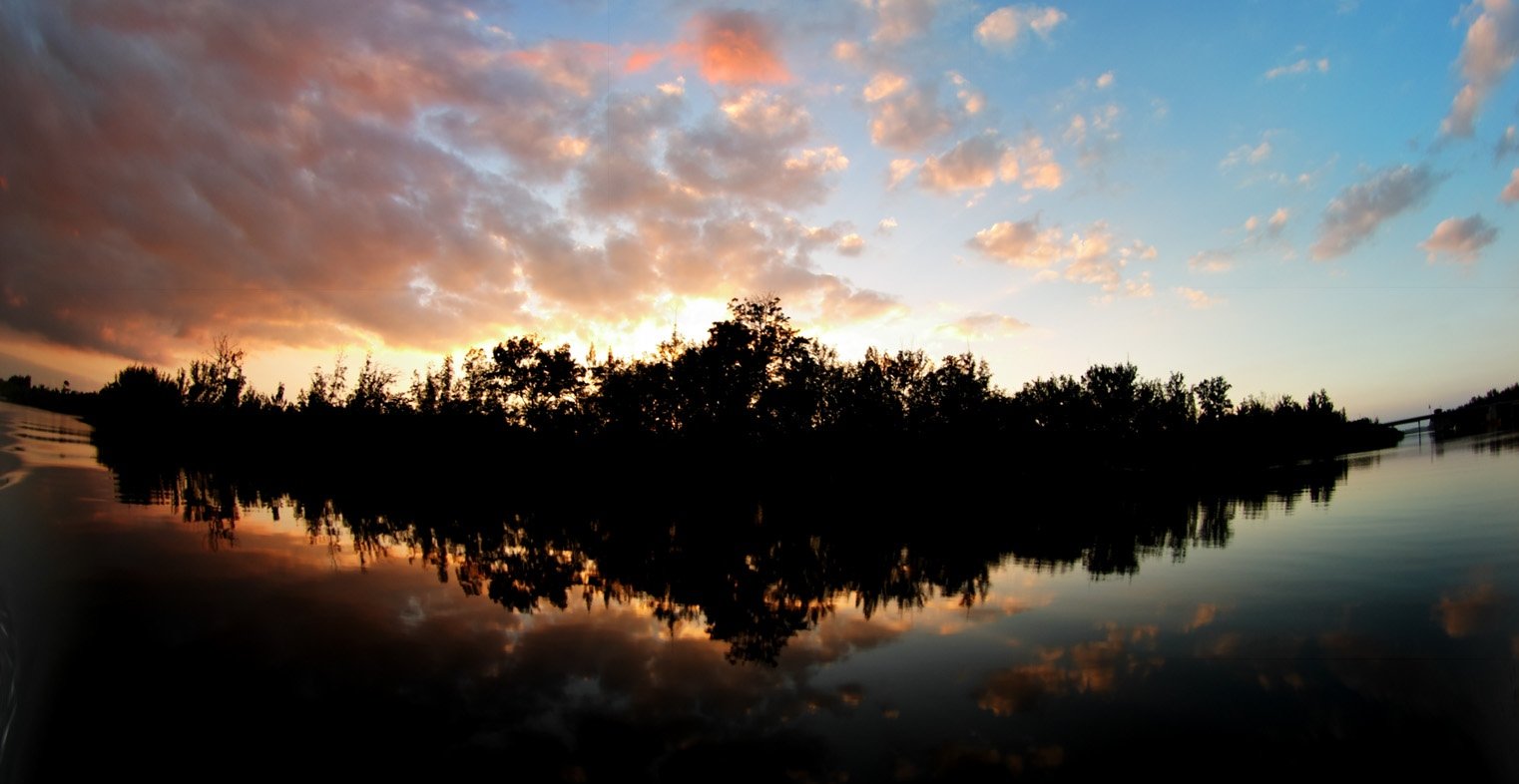
Hobe Sound is a small community on the Atlantic coast of Florida, midway between Jupiter and Stuart in Martin County. The surrounding area is notable for two nature reserves that together protect a stretch of coast largely unchanged from before Florida's development boom.

Jonathan Dickinson State Park covers more than 11,500 acres of scrub, wetland, and riverine habitat along the Loxahatchee River — one of only two federally designated Wild and Scenic Rivers in Florida. Boat tours run up the river, canoe and kayak rentals are available, and the park has cycling and hiking trails and on-site cabins.

Blowing Rocks Preserve on Jupiter Island, a short drive south, protects a barrier island sanctuary where the Atlantic surf pounds against an outcrop of Anastasia limestone — one of the largest on the US Atlantic coast. At high tide in winter, waves force through cracks in the rock and shoot plumes of water into the air.

Hobe Sound itself is quiet and without much of a town centre, but an architectural oddity — the Bubble Houses, a cluster of dome-shaped 1970s experimental buildings — makes a quirky detour for the curious. The two parks make the area worth a stop for anyone driving the Treasure Coast.

Guide

Eating Out in Hobe Sound

Hobe Sound is a small community without much of a restaurant scene of its own, but the Treasure Coast corridor between Jupiter and Stuart has enough options to avoid going hungry. The stretch of US-1 through the area has the usual Florida mix of seafood shacks, casual American diners, and chain restaurants.

For fresh seafood, the area around Stuart (10 km north) and Jupiter (15 km south) has more established choices. Both towns have waterfront restaurants serving the standard South Florida lineup of grouper, snapper, and shrimp.

Guide

Getting Around

Hobe Sound has no public transport. A car is necessary to reach any of the area's parks and preserves, and to move between them.

The main road through the area is US-1 (Federal Highway), which connects Hobe Sound to Stuart to the north and Jupiter to the south. A1A (Ocean Drive) runs along Jupiter Island on the barrier island side and provides access to Blowing Rocks Preserve and the Hobe Sound National Wildlife Refuge beach unit; it is a scenic but narrow two-lane road. Jonathan Dickinson State Park has its own internal road network within the park.

Within Jonathan Dickinson State Park, cycling is possible on designated trails and on the park's internal roads. The park rents kayaks and canoes for paddling on the Loxahatchee River. Boat tours depart from the park's marina.

Distances between the main attractions are modest — Jonathan Dickinson State Park, the Bubble Houses, and the town centre (such as it is) along US-1 are all within a few kilometres of each other. Blowing Rocks Preserve and the wildlife refuge beach are on Jupiter Island, reached by crossing the bridge at Gomez Road and heading south on A1A — a drive of around 15 minutes from Hobe Sound's US-1 corridor.

Taxis and ride-sharing services operate in the broader Palm Beach–Stuart area but are not reliably available in Hobe Sound itself. Plan on having your own vehicle for the duration of any visit.

Guide

Getting There

Hobe Sound is an unincorporated community with no public transport connections of its own. A car is essential.

By air: Palm Beach International Airport (PBI) is the closest major airport, about 40 km south on I-95 or US-1. Orlando International Airport (MCO) is about 180 km north. Fort Lauderdale–Hollywood International Airport (FLL) is around 115 km south and often cheaper than PBI.

By road: US-1 (Federal Highway) runs directly through the Hobe Sound area and is the main surface route along the Treasure Coast. Interstate 95 runs parallel a few kilometres inland; the closest exits are Stuart to the north and Indiantown Road to the south. The drive from Palm Beach takes around 45 minutes; from Miami, allow 90 minutes to two hours depending on traffic. Florida's Turnpike is another option, running further inland.

By train: Brightline, the intercity rail service, has stations in Stuart (about 15 km north) and in West Palm Beach (about 55 km south). Neither station is walkable to the Hobe Sound area; you would need a car rental or taxi from either. Amtrak's Silver Service also calls at Stuart, though infrequently.

There is no local bus service connecting Hobe Sound to the surrounding area.

Guide

Things to Do in Hobe Sound

Hobe Sound's appeal is almost entirely natural. Two protected areas — Jonathan Dickinson State Park and Blowing Rocks Preserve — account for most reasons to stop here, and both are excellent. Outside those two parks the community has little tourist infrastructure, which is part of its character: this is one of the less developed stretches of the Florida Atlantic coast, and it's worth experiencing on that basis.

Guide

When to Go

The best time to visit Hobe Sound is between November and April, when temperatures are mild (18–27°C), humidity is low, and the risk of afternoon thunderstorms is minimal. This is high season for all of South Florida, and the weather explains why. Winter in the area is genuinely pleasant — warm enough for outdoor activity without the oppressive heat of summer.

Summer (June–September) brings heat, high humidity, and frequent afternoon thunderstorms, as well as the risk of hurricanes. The heat is manageable early in the morning, which makes it a reasonable time for kayaking or hiking if you start before 10am and finish before early afternoon. The summer months are also sea turtle nesting season at Hobe Sound National Wildlife Refuge, which runs roughly May through October — hatching peaks in August and September. Guided turtle walks, when available, are one of the more memorable wildlife experiences in the area.

Spring (March–May) is increasingly warm and can be humid, but remains comfortable for most of April. Autumn (October–November) sees temperatures begin to drop and humidity ease, with October carrying some lingering hurricane risk.

The wildlife refuge and Jonathan Dickinson State Park are worth visiting year-round; the scrub habitat looks particularly atmospheric on winter mornings when temperatures are cool and the light is clear. Bird diversity is highest in winter when migratory species supplement the year-round residents.