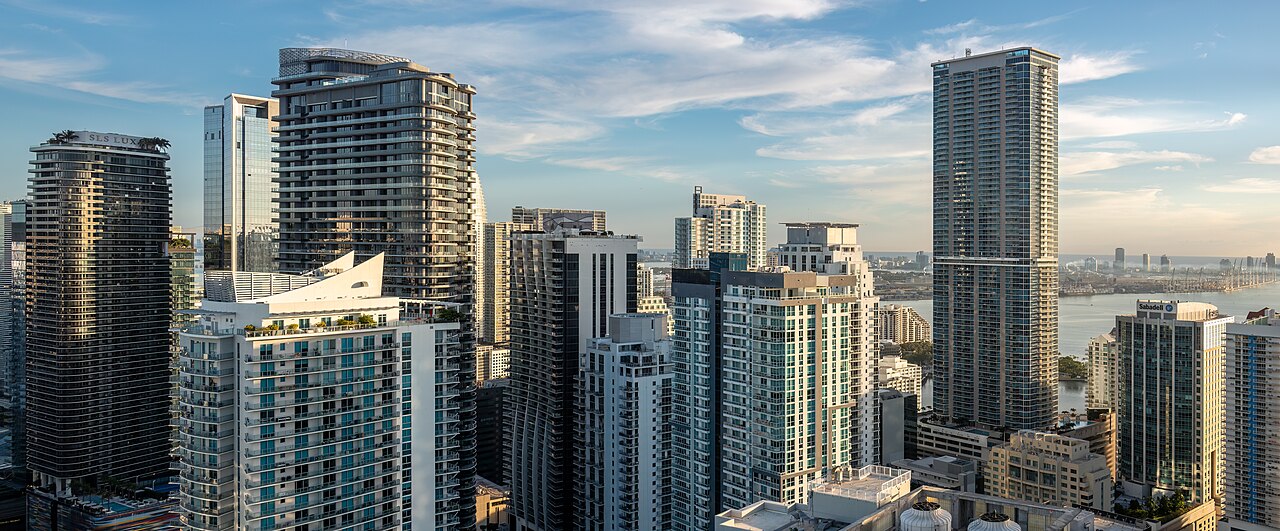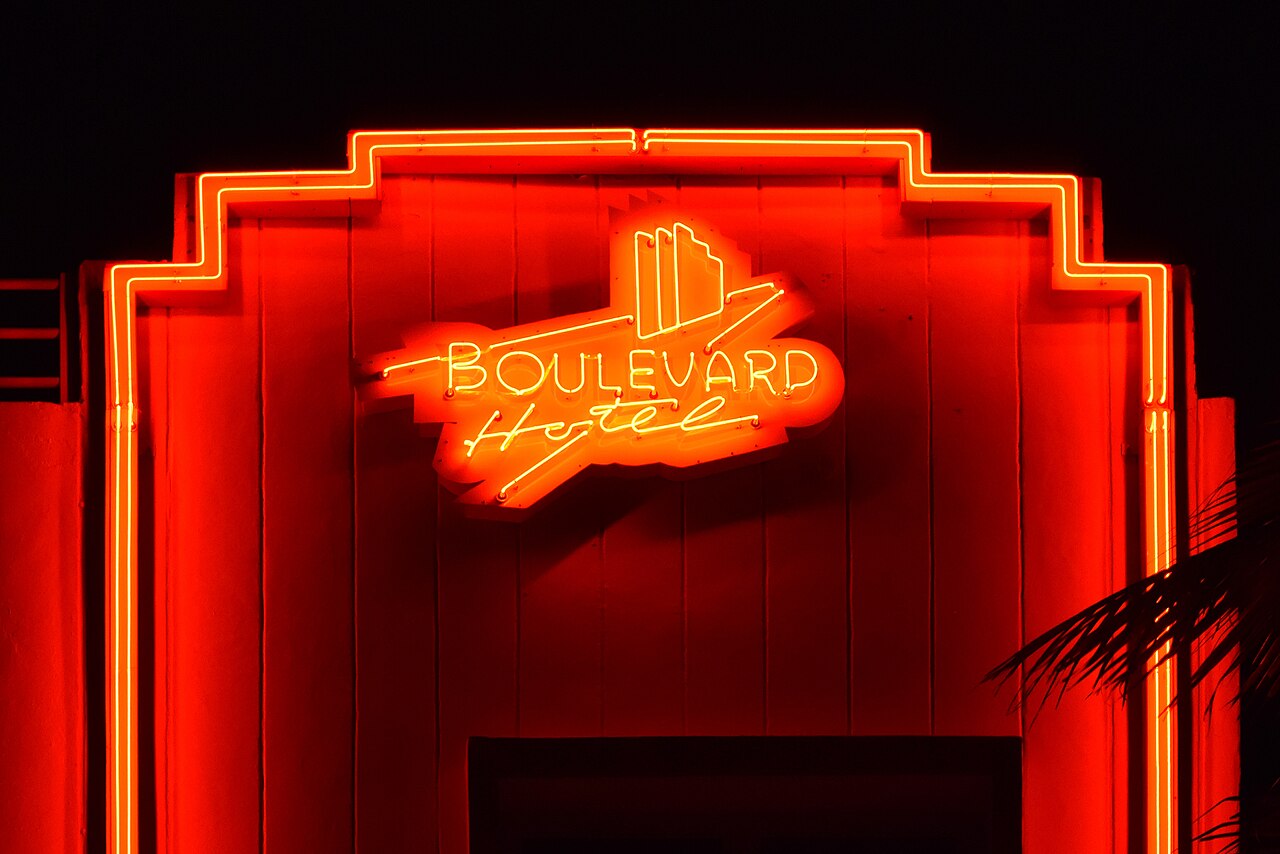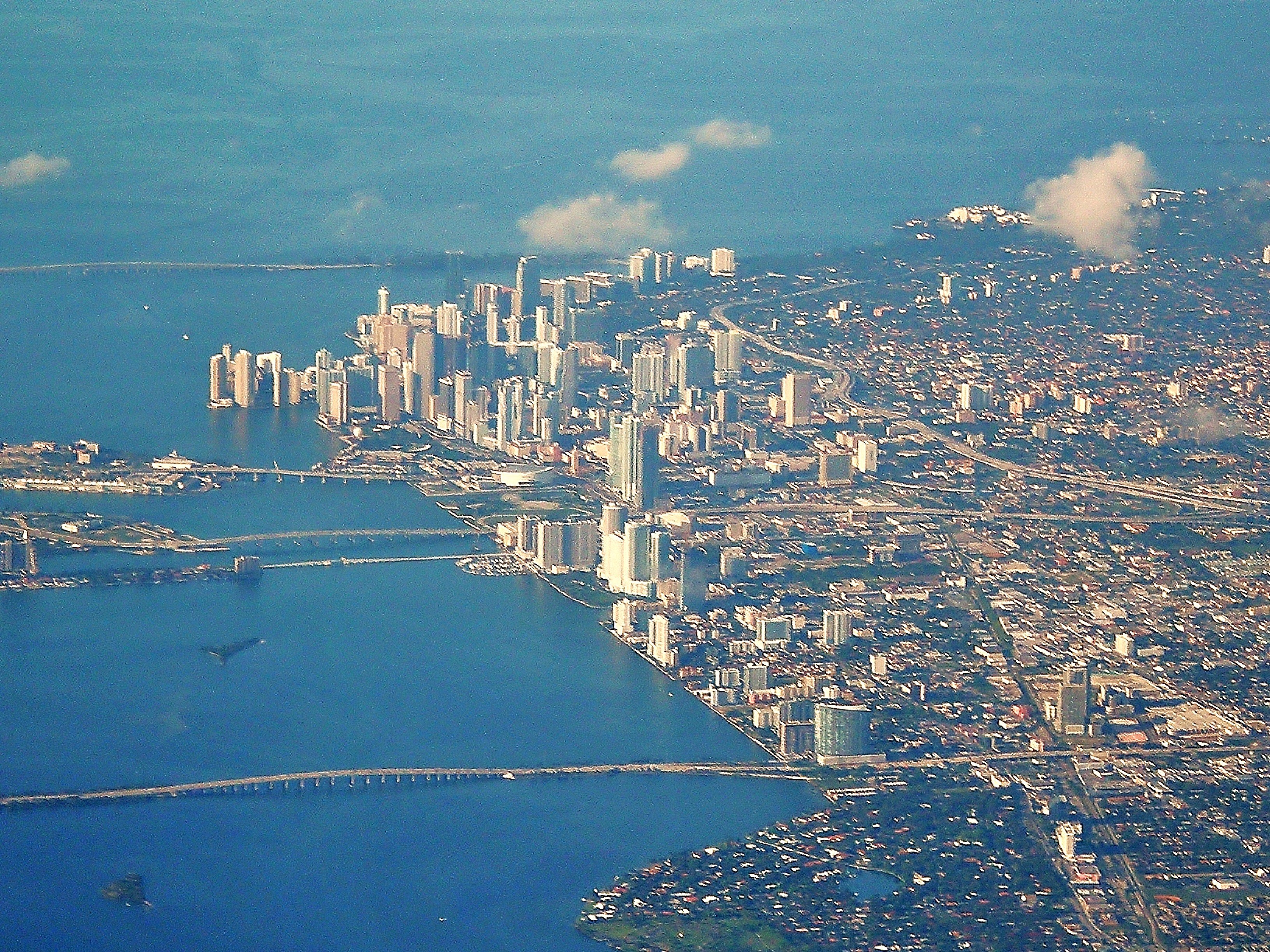
Miami is not quite like anywhere else in the United States. It is as much a Caribbean and Latin American city as it is a North American one — a place where Spanish is the first language in entire neighbourhoods, where the coffee is strong and sweet and served in tiny cups, and where the architecture ranges from pastel Art Deco to gleaming glass towers rising over Biscayne Bay.
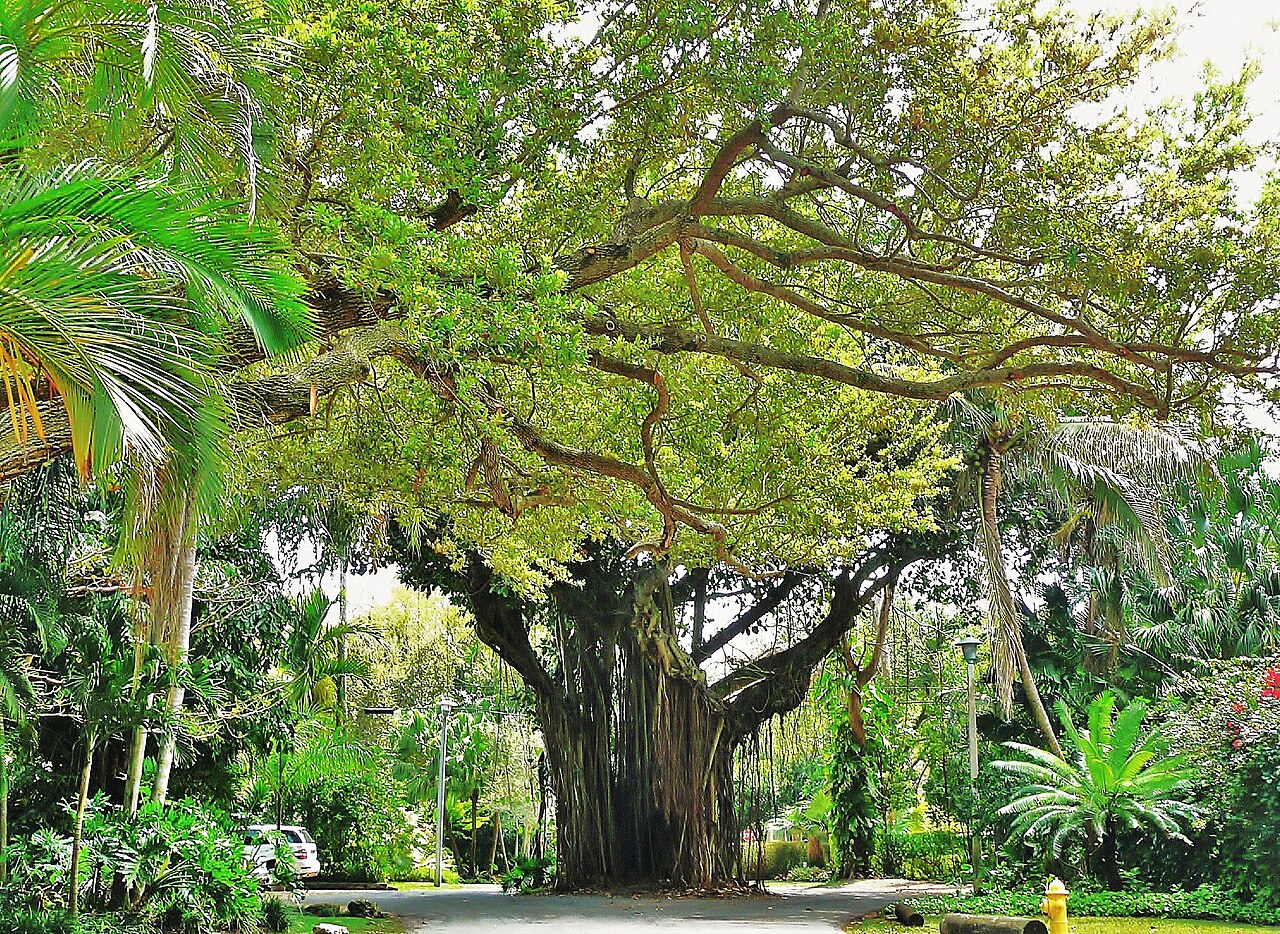
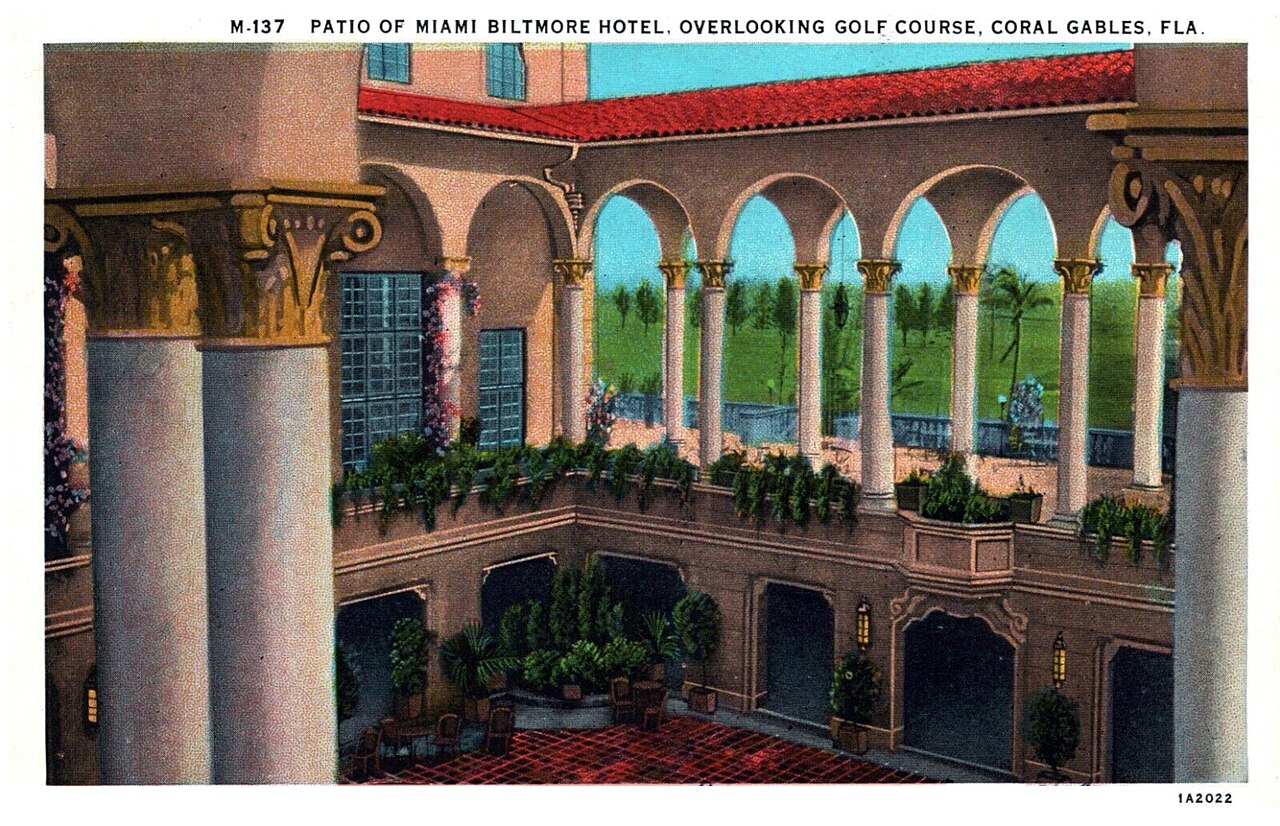
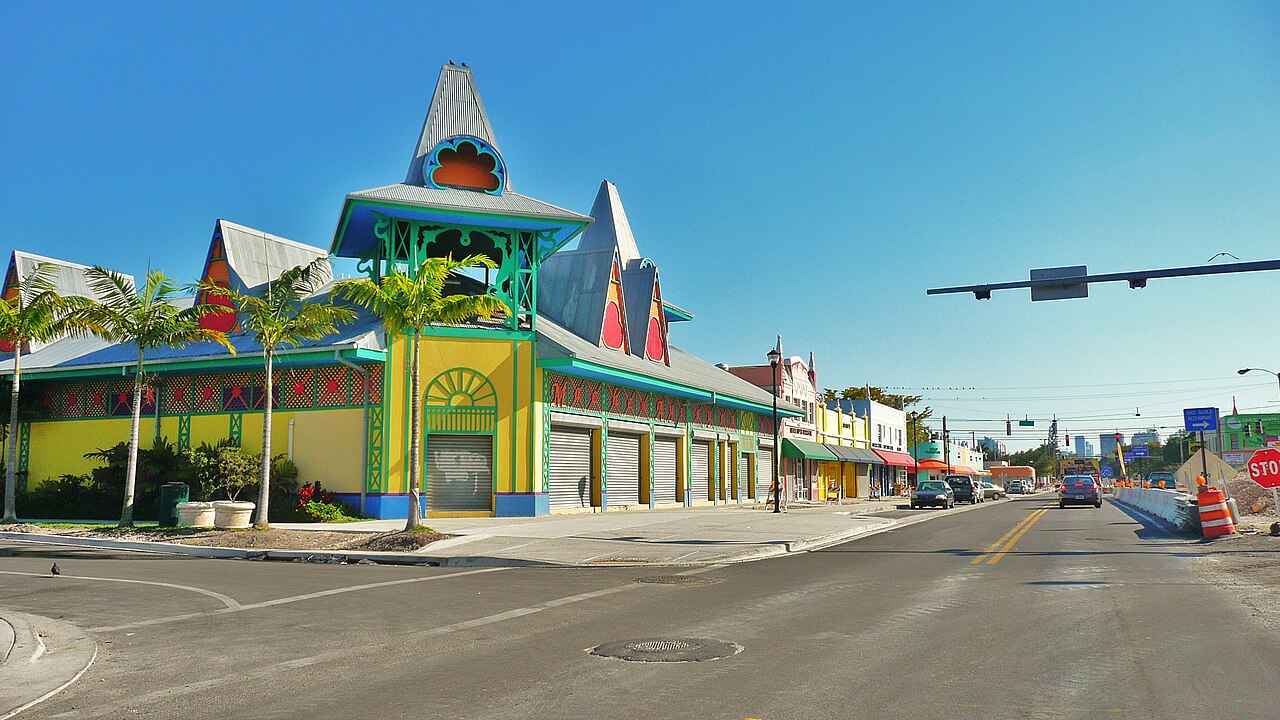
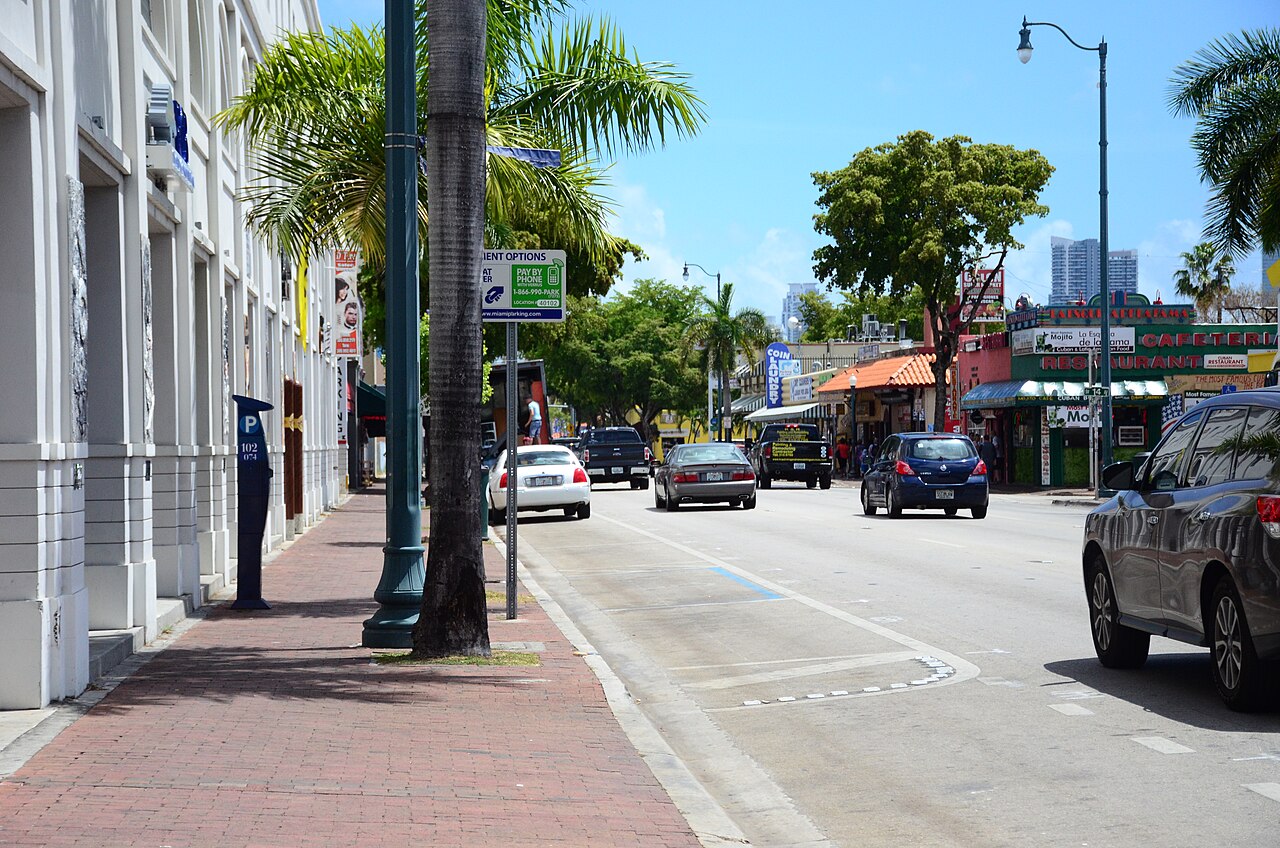
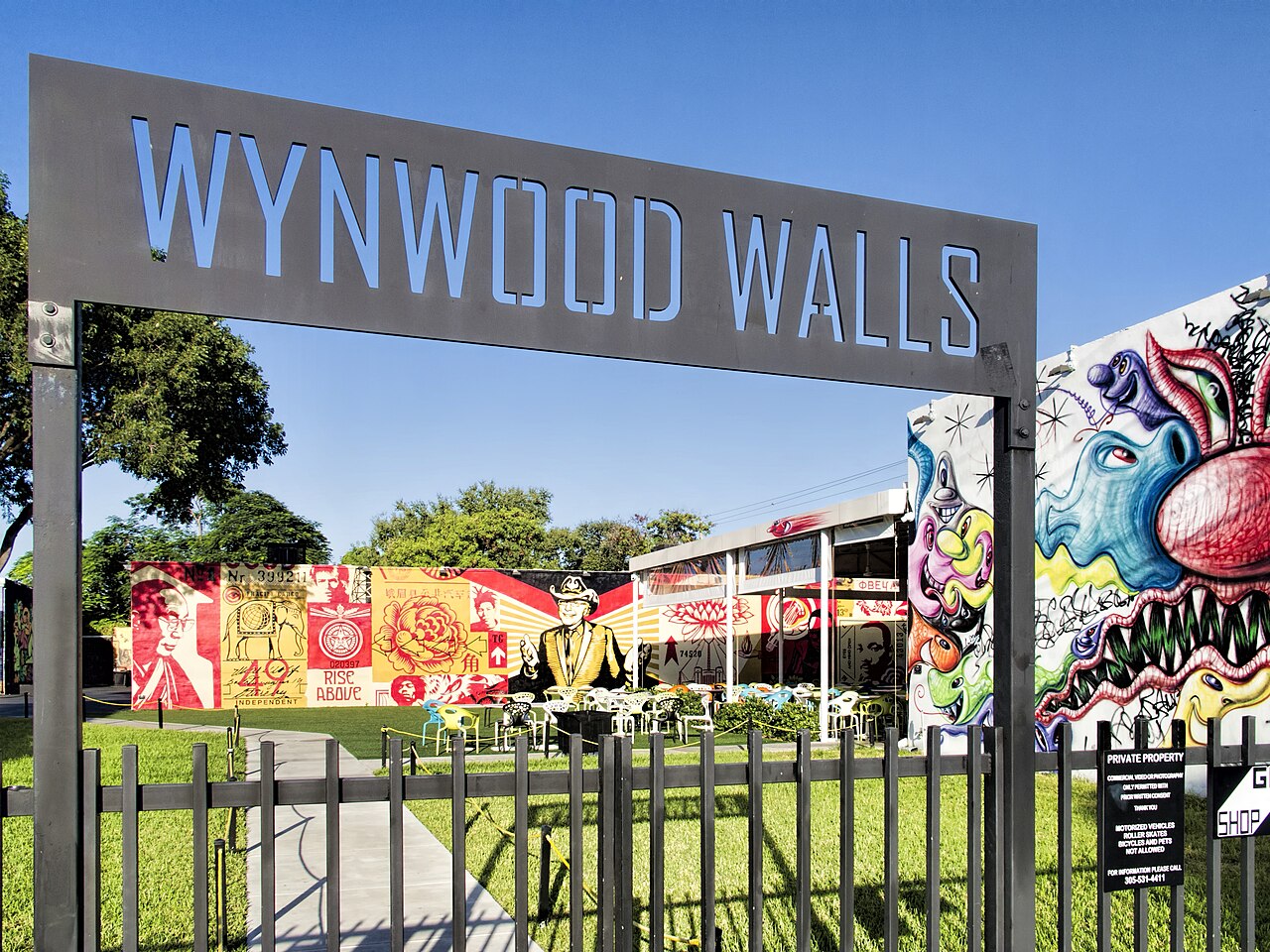
The city sprawls across a huge area, but most visitors gravitate to a handful of distinct districts. South Beach is the famous one — the Art Deco hotels along Ocean Drive, the wide white sand, the people-watching. But Miami's real character lives inland. Little Havana along Calle Ocho is where old men play dominoes in Máximo Gómez Park and you can get a proper cortadito at a ventanita window. Wynwood is a former warehouse district now covered in street art murals and packed with galleries, breweries, and some of the city's best restaurants. Coconut Grove, Miami's oldest settlement, has a leafy, bohemian feel with waterfront parks and outdoor cafes. Coral Gables to the southwest is a 1920s Mediterranean Revival planned city of broad boulevards and ornamental gateways; Brickell is the dense financial district packed with rooftop bars; Little Haiti up north has botanicas, Creole restaurants, and a cultural complex modelled on Port-au-Prince's Iron Market.
The cultural institutions punch well above what most American cities this size offer. The Pérez Art Museum Miami hangs over the bay on stilts. Vizcaya is an Italian Renaissance villa dropped improbably into a subtropical garden. The Phillip and Patricia Frost Museum of Science has a three-storey aquarium you walk through from top to bottom.
Then there is the water. Miami sits between the Everglades and the Atlantic, between mangrove channels and coral reefs. You can kayak through Oleta River State Park — the largest urban park in Florida, where manatees patrol the mangrove creeks — in the morning and snorkel at Biscayne National Park in the afternoon. The beaches are genuinely good — not just South Beach, but the quieter stretches of Key Biscayne and the sandbars you can only reach by boat. In North Miami Beach, an improbable twelfth-century Spanish monastery — the Cloisters — was reassembled stone by stone from crates shipped over by William Randolph Hearst.
The food alone is worth the trip. Cuban sandwiches and croquetas, Haitian griot, Peruvian ceviche, stone crab claws in season — Miami's kitchens reflect every wave of immigration that has shaped the city. Nights start late. The bar scene runs from rum-soaked dives on Calle Ocho to rooftop cocktail bars in Brickell, and nobody eats dinner before nine.