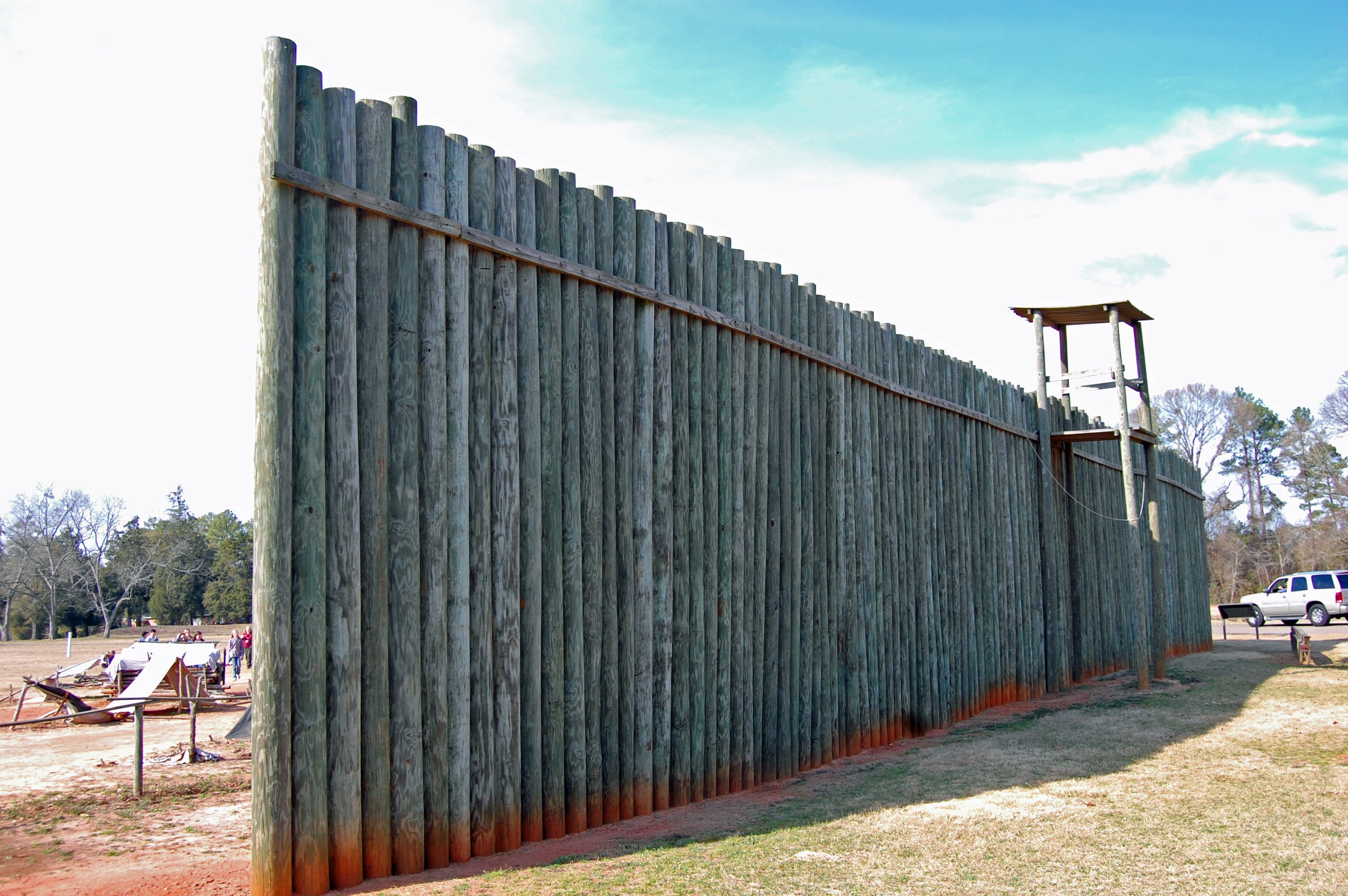
Andersonville is a tiny village in southwest Georgia known almost entirely for the Civil War prison that once stood here. Camp Sumter, as it was officially named, was one of the largest Confederate military prisons. Built in early 1864, it held more than 45,000 Union soldiers during its 14 months of operation. Nearly 13,000 of them died from disease, malnutrition, overcrowding, and exposure — making it one of the deadliest places in American history.
Today, Andersonville National Historic Site preserves the prison grounds and the adjacent National Cemetery. It is the only park in the National Park System dedicated to all American prisoners of war throughout the nation's history. The National Prisoner of War Museum, opened in 1998, tells the broader story of American captivity from the Revolution to the present.
The site is sobering and powerful. The open field where the stockade stood is marked by reconstructed sections of the wall and monuments, Providence Spring still flows where prisoners said it broke through the ground after a storm, and the rows of headstones in the cemetery give the scale of the tragedy a physical presence. Outside the park, the small Civil War village preserves a few period buildings — and the controversial Wirz Monument commemorates the camp's executed commandant. Allow at least half a day.