Georgia spans from the Blue Ridge Mountains in the north to the Atlantic barrier islands and the coastal plain in the south — a range that gives the state more geographic and cultural variety than most of its neighbors. The Peach State's best-known exports are peaches (of course), Vidalia onions, and an outsized influence on American music, from country to soul to hip-hop.
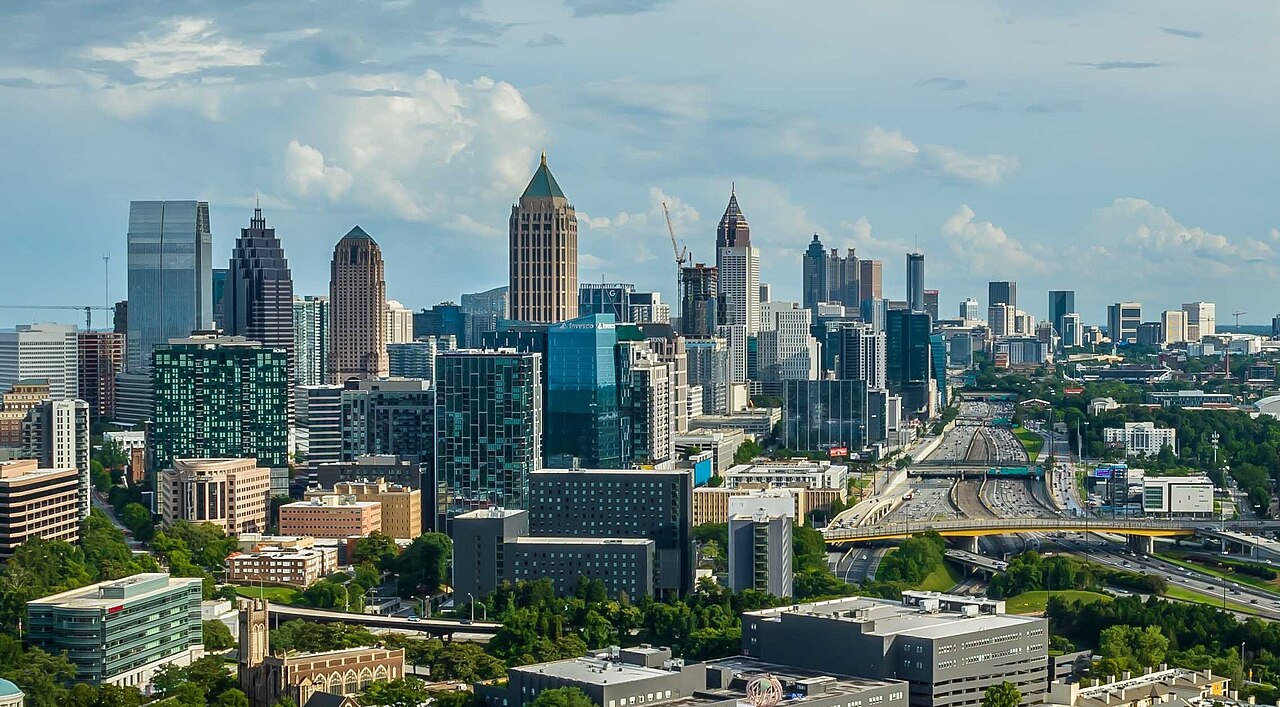
Atlanta is the dominant city, a sprawling metro of around six million people and the busiest airport in the world. It hosted the 1996 Summer Olympics and is home to CNN, Coca-Cola, Delta Air Lines, and the Centers for Disease Control. It's also the birthplace of Dr. Martin Luther King Jr. and the heart of the modern Civil Rights movement.
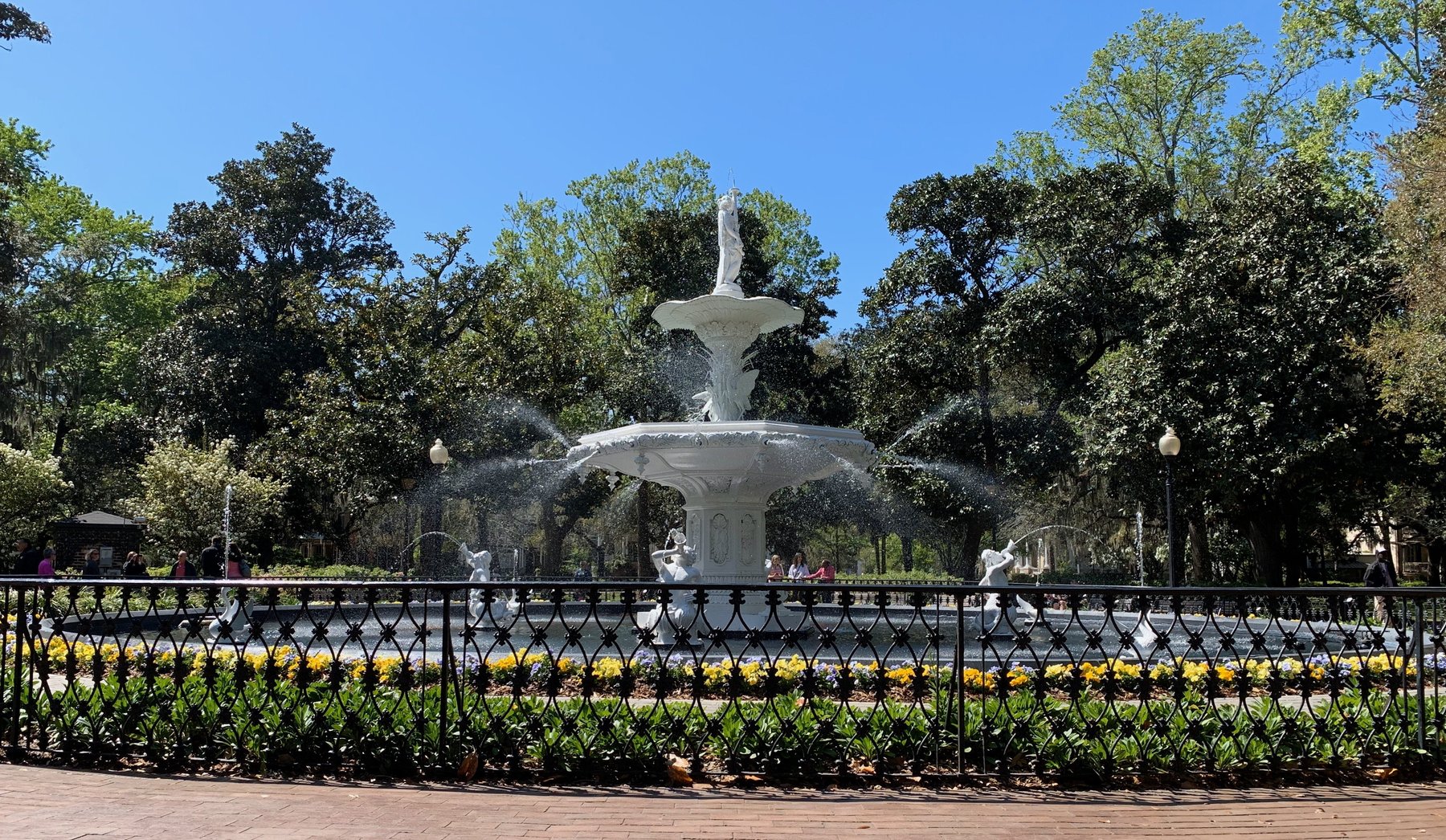
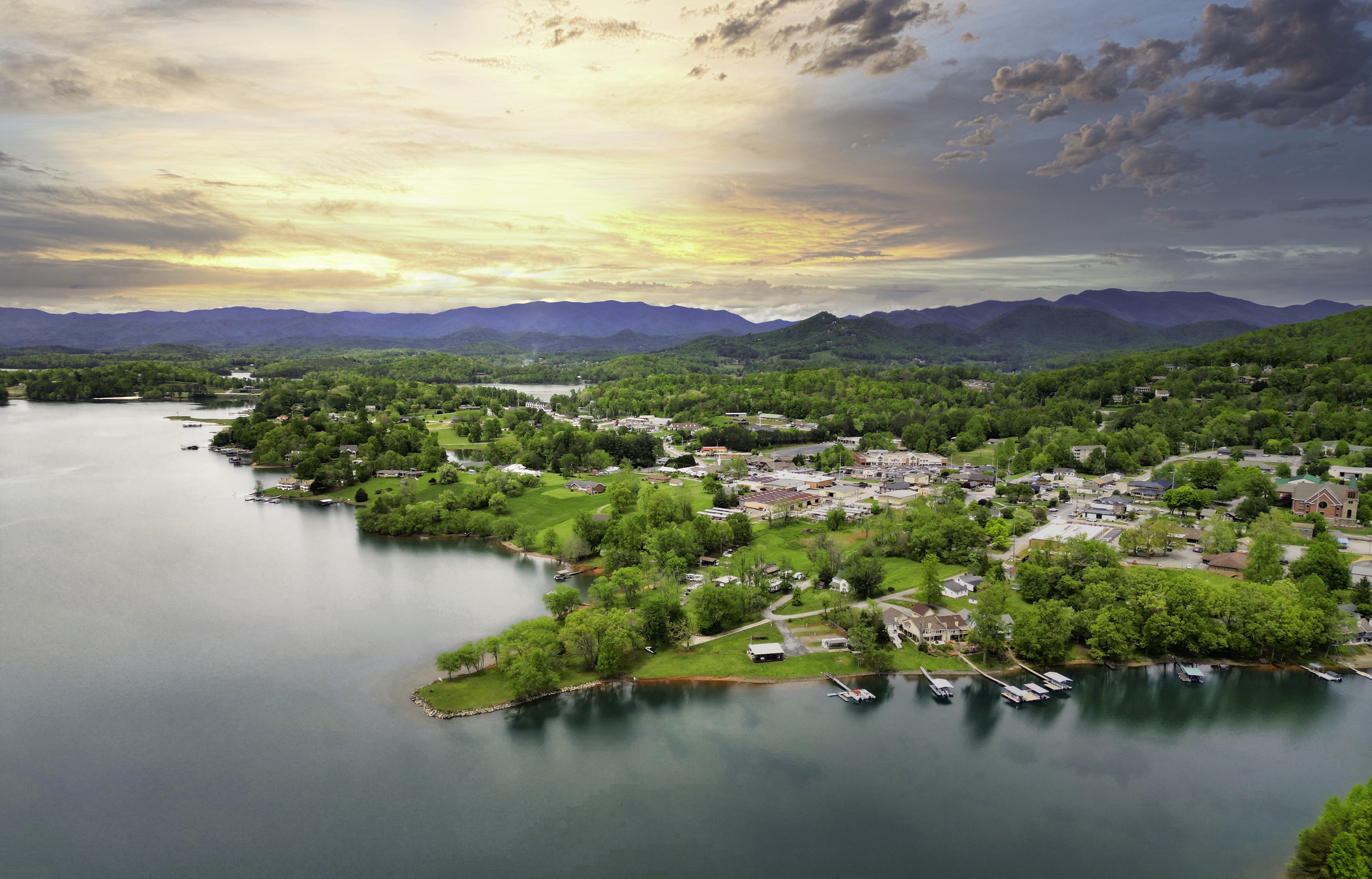
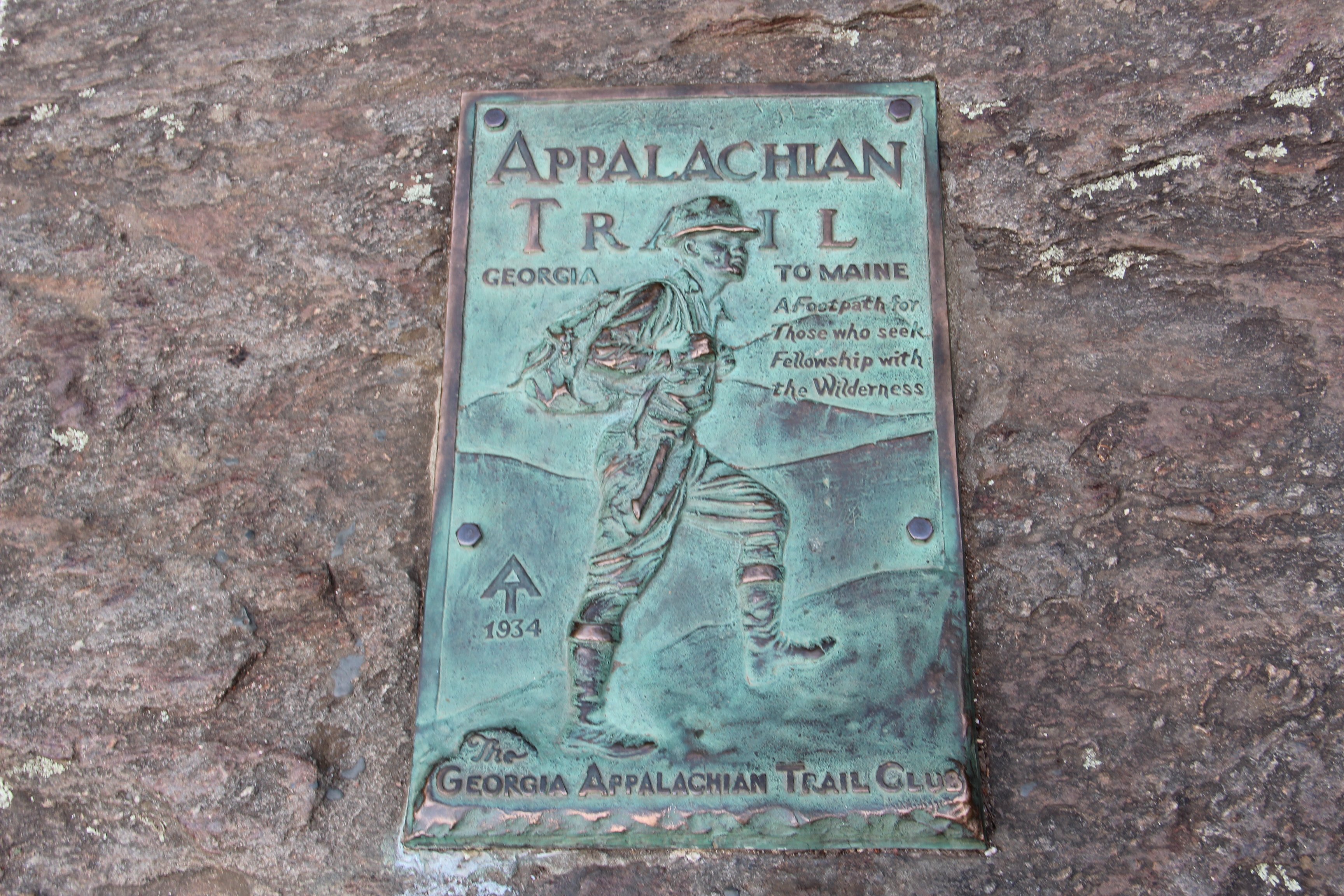
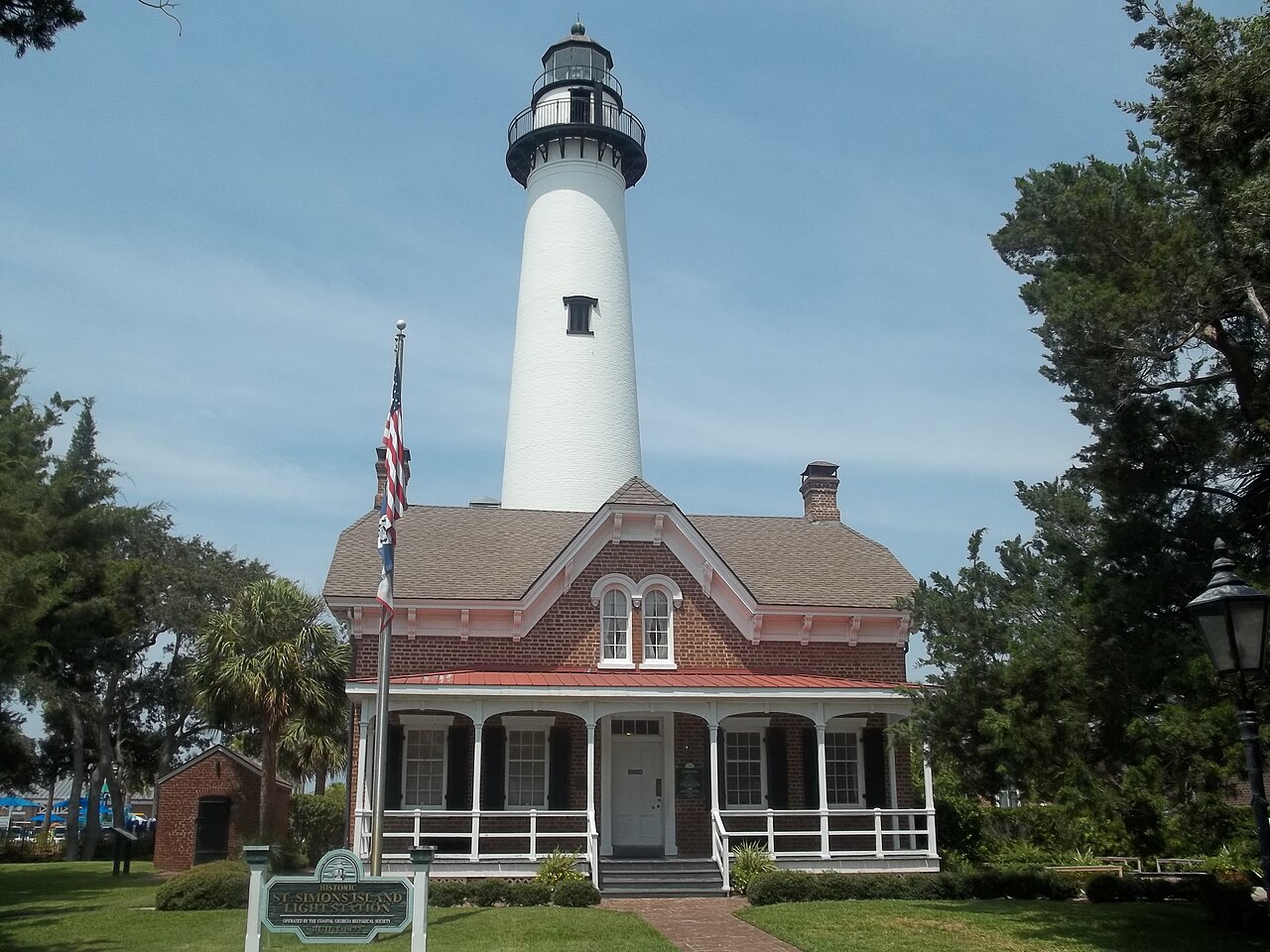
Beyond Atlanta, Georgia rewards slower travel. Savannah is one of the most beautiful cities in the American South — its grid of shaded squares, Federal-era townhouses, and Spanish-moss-draped oaks has barely changed since the 19th century. The Golden Isles — St. Simons, Jekyll, and Cumberland islands — offer quiet beaches along the Atlantic coast. The north Georgia mountains around Helen and Hiawassee are popular for fall foliage, hiking, and whitewater rafting.
History runs deep here. Andersonville preserves the site of the notorious Civil War prison camp, now a somber national historic site. Augusta hosts the Masters golf tournament each spring. Athens is a university town with a live music scene that produced R.E.M. and the B-52s.
Georgia's climate is humid and subtropical. Summers are hot and sticky across most of the state, while the mountains offer some relief. Spring and autumn are the most pleasant seasons for outdoor travel.