Iowa is a state of rolling farmland, small river towns, and three million people spread thinly across the tallgrass prairie of the American Midwest. It is bookended by two great rivers — the Missouri on the west, the Mississippi on the east — and you could cross it in a day with the radio on and the windows down. For most visitors Iowa is a flyover, a place to drive through on the way to somewhere else. That is a mistake.
The state has a quietly strong culture of its own. It produces more corn and pork than anywhere else in the United States, and the landscape in August — the tall green rows running to the horizon on both sides of the highway — is a distinctly American sight. Every four years it becomes briefly the centre of the political universe during the caucuses, when candidates tramp through diners in small towns no one outside Iowa has ever heard of. It is also home to the Iowa Writers' Workshop at the University of Iowa in Iowa City, which has produced a disproportionate number of the country's best novelists and poets over the last seventy years.
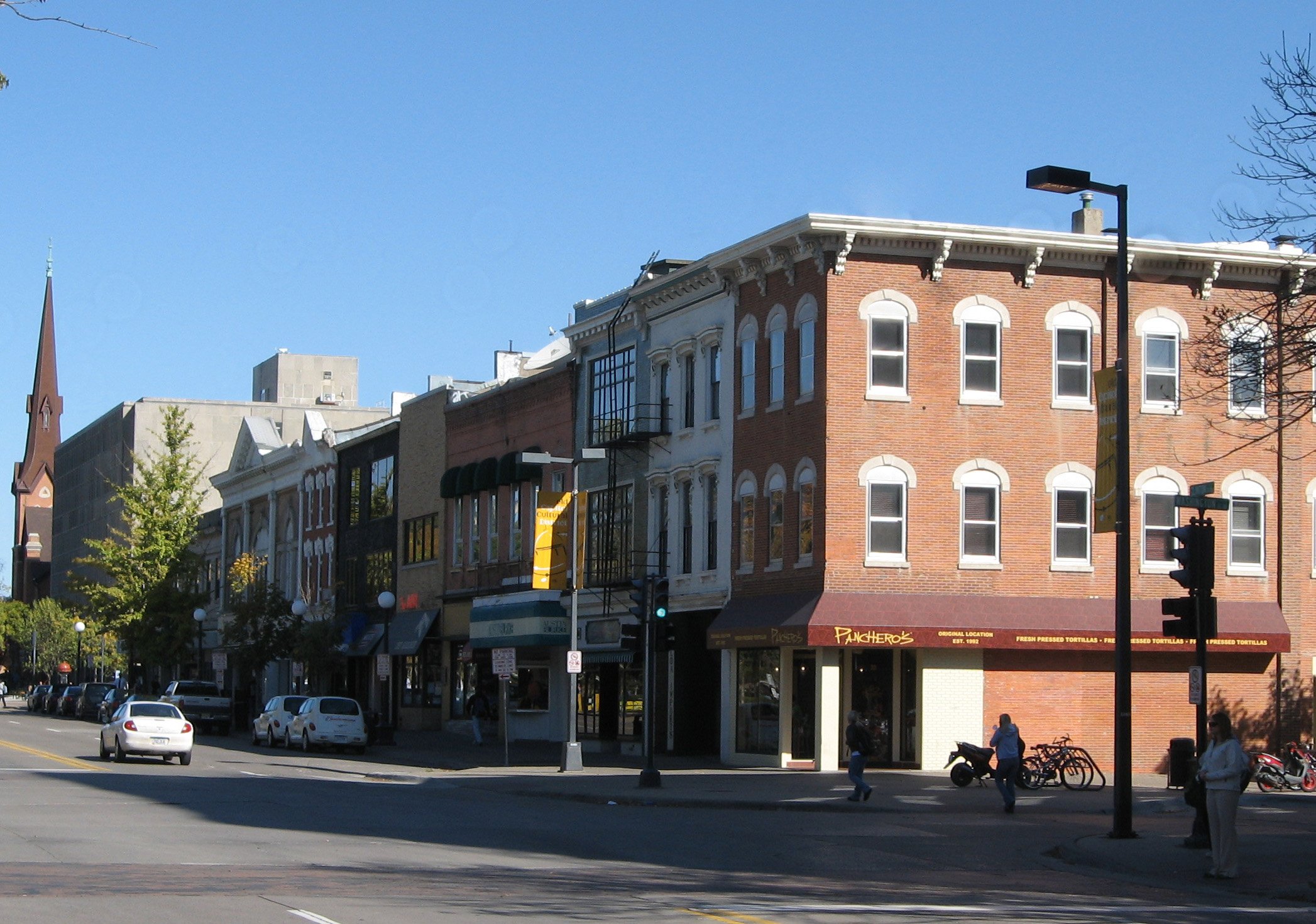
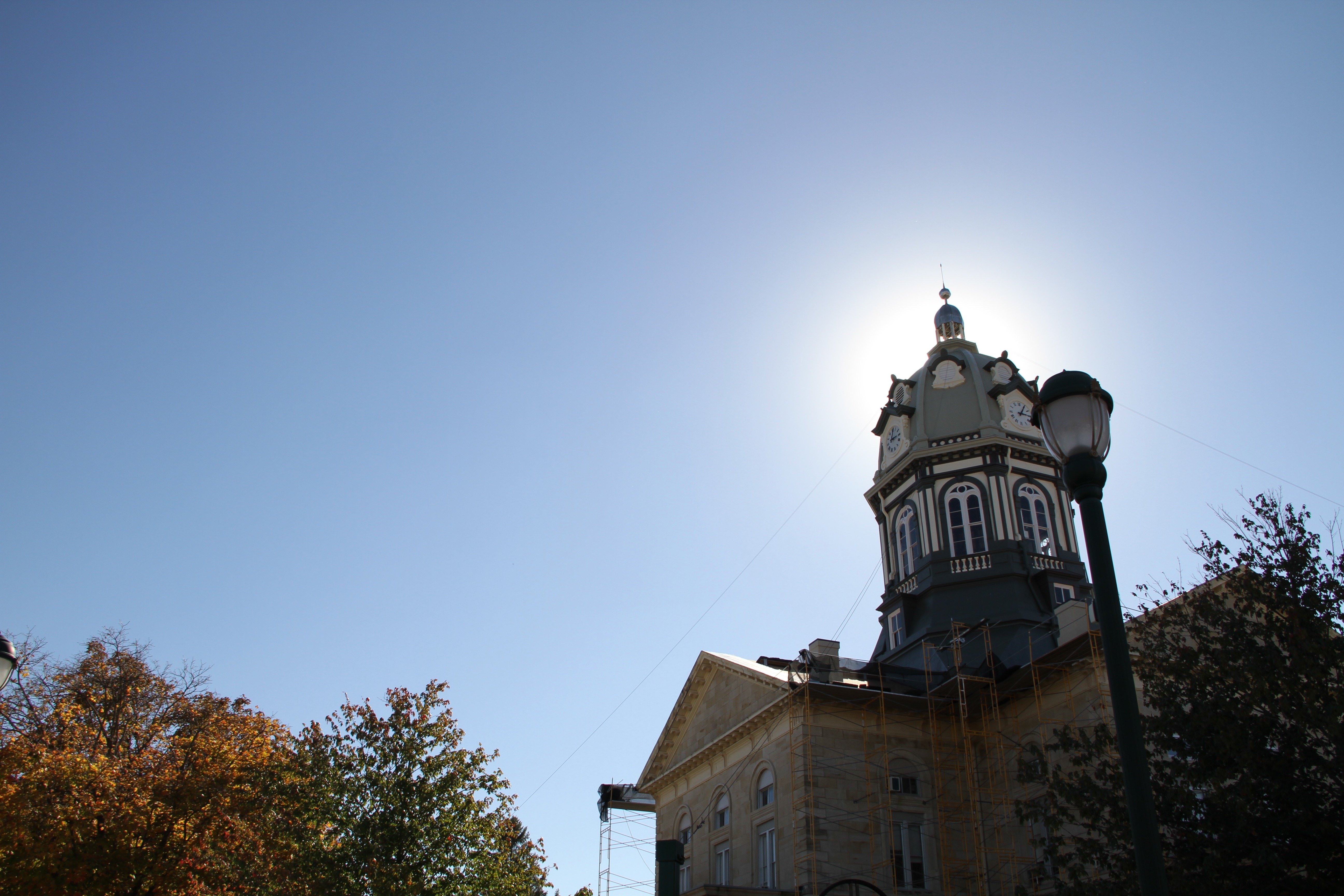
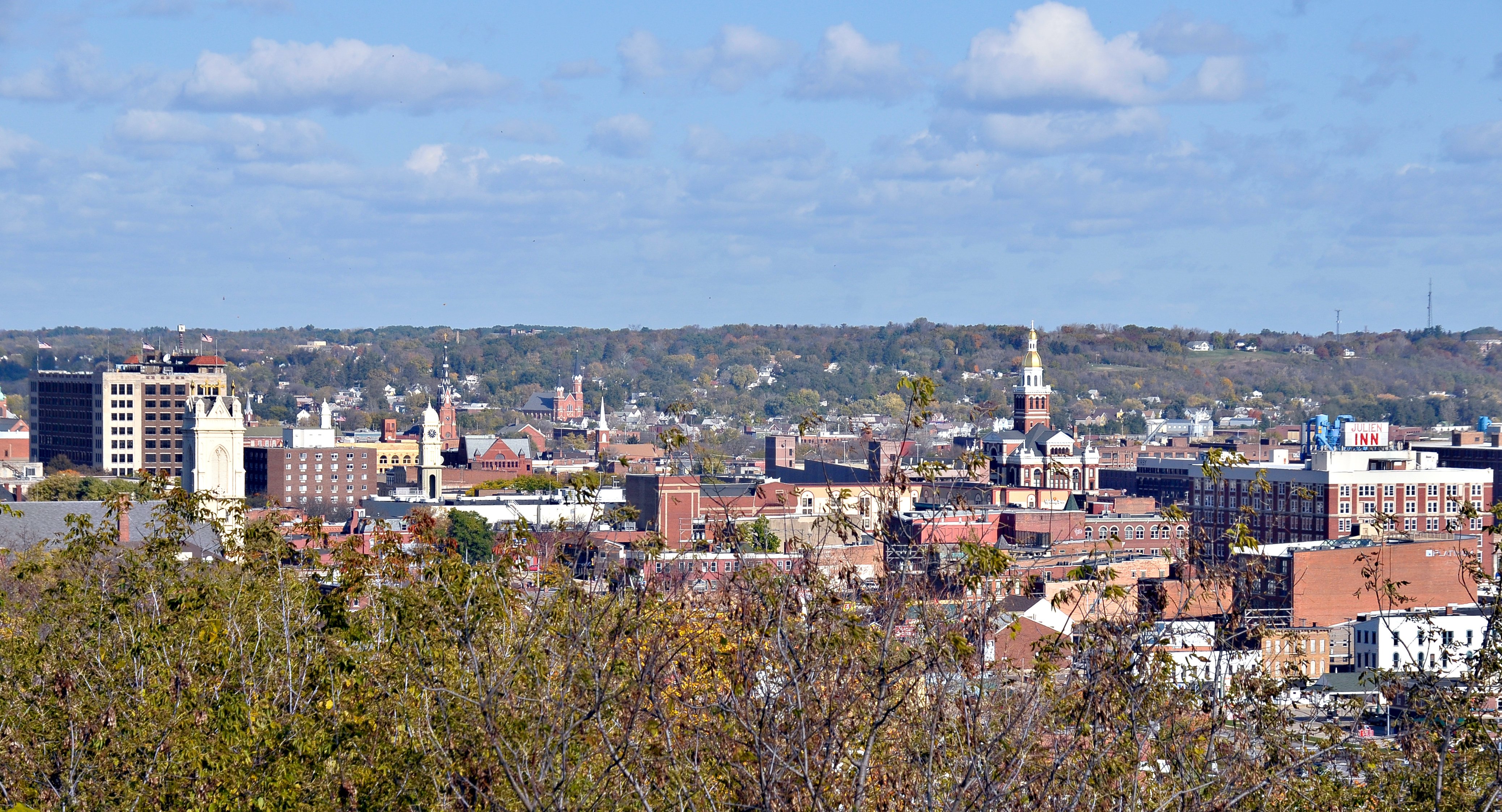
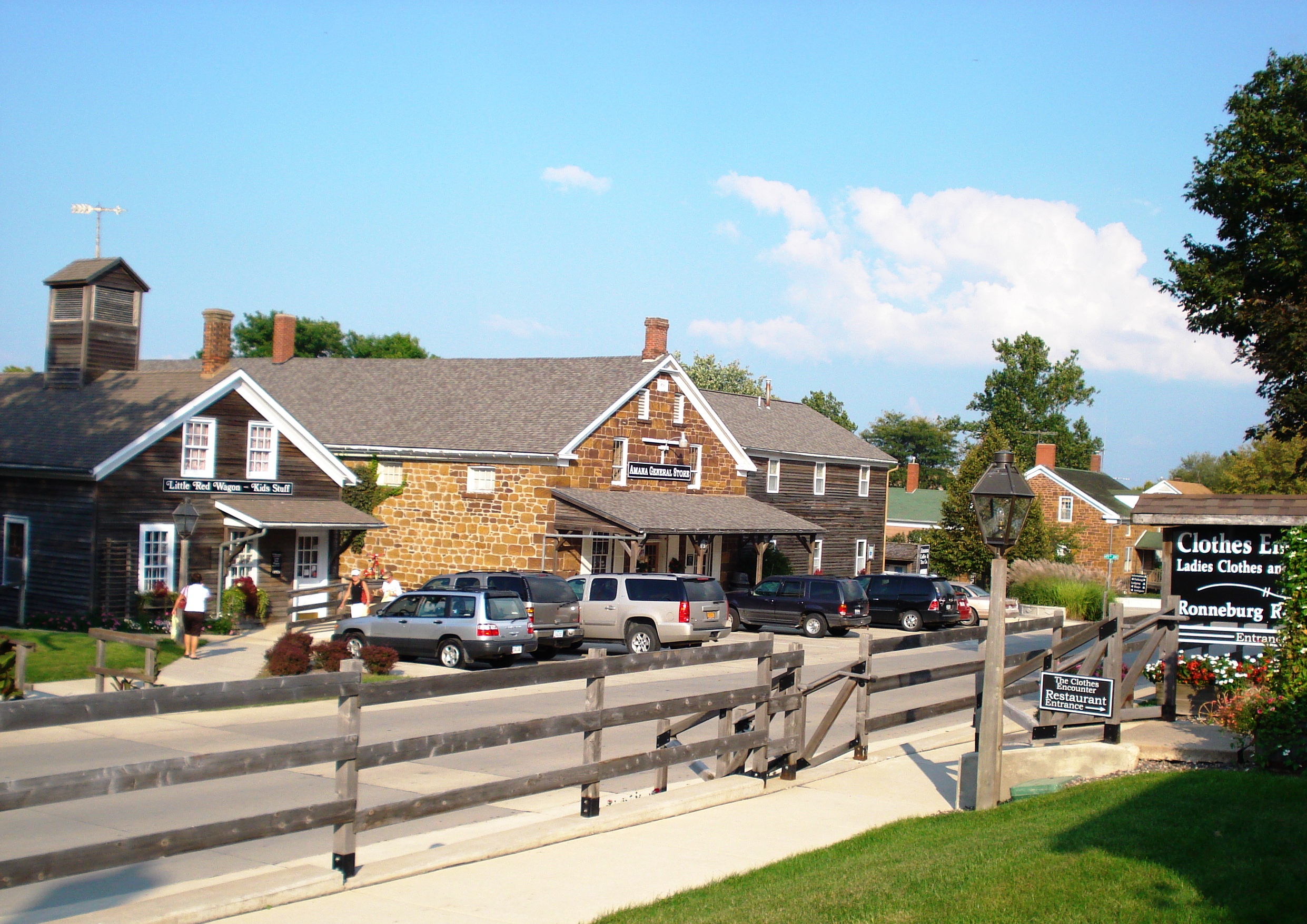
The cities worth a stop are Iowa City, a likeable college town with bookstores, coffee shops, and a handsome 19th-century capitol; Des Moines, the state capital, with a surprisingly good art museum and a downtown revival; and Dubuque, on the Mississippi bluffs, where the river and the old Gilded Age architecture come together nicely. Drive the backroads through the covered bridges of Madison County, past the old German Amana Colonies, the Mormon pioneer trail, and the Field of Dreams baseball diamond in Dyersville. Eat at a supper club, stop at a farmers' market, and watch a summer storm roll in across an open sky.
Iowa is not showy. It does not pretend to be the Rockies or the Pacific coast. But the people are friendly in a way that feels sincere rather than performed, and the landscape has a patient beauty that grows on you.