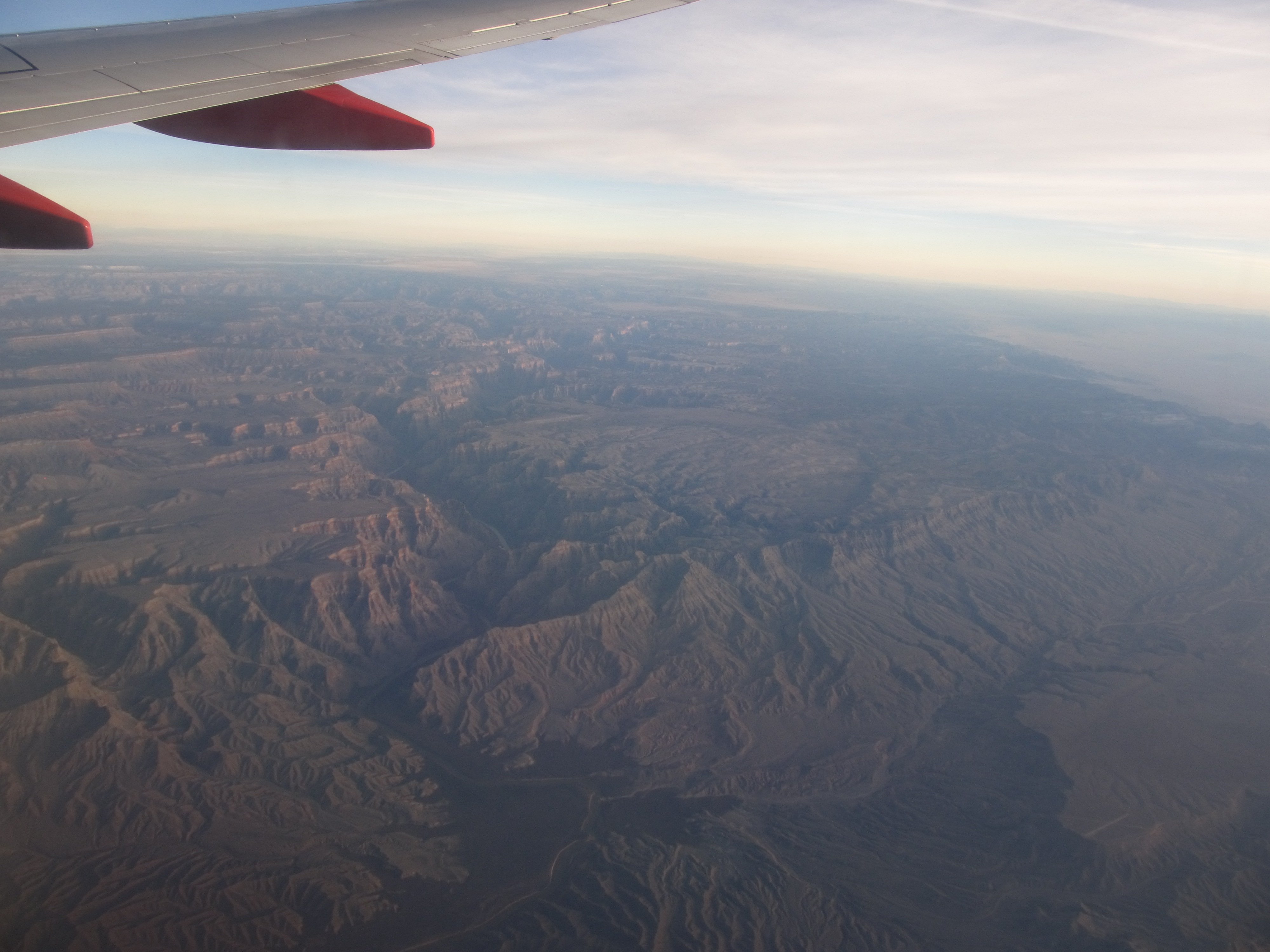
Grand Canyon West is the part of the canyon closest to Las Vegas — about a 2.5-hour drive southeast — and sits on Hualapai tribal land rather than within the national park boundary. The signature attraction is the Skywalk, a horseshoe-shaped glass-floored bridge that cantilevers 70 feet beyond the rim with a 4,000-foot drop straight down. It is an unabashedly touristy experience, and you cannot bring phones or cameras onto the walk, but the view straight through your feet is genuinely unsettling.
Beyond the Skywalk, the tribe operates viewpoints at Eagle Point and Guano Point, the latter with a short scramble to a knife-edge overlook and a simple lunch spot. Helicopter and small-plane tours from the Strip drop visitors on the canyon floor for picnics or short boat rides on the Colorado River — the only place in the Grand Canyon system where that is permitted. Access is by a single ticketed package; private cars cannot drive to the rim, so you park and ride shuttles between the points.
Be clear-eyed about what this is: a managed attraction rather than a wilderness, and a fairly expensive one. The South Rim of the national park itself is a much longer day from Las Vegas — four hours or more each way — but considerably grander and far cheaper to enter. If you have the time and an early start, do that instead; if you only have a day and want the closest taste of the canyon, Grand Canyon West delivers it.
Go in the cooler months if you can. There is little shade at the viewpoints, and summer heat on the exposed rim is punishing.