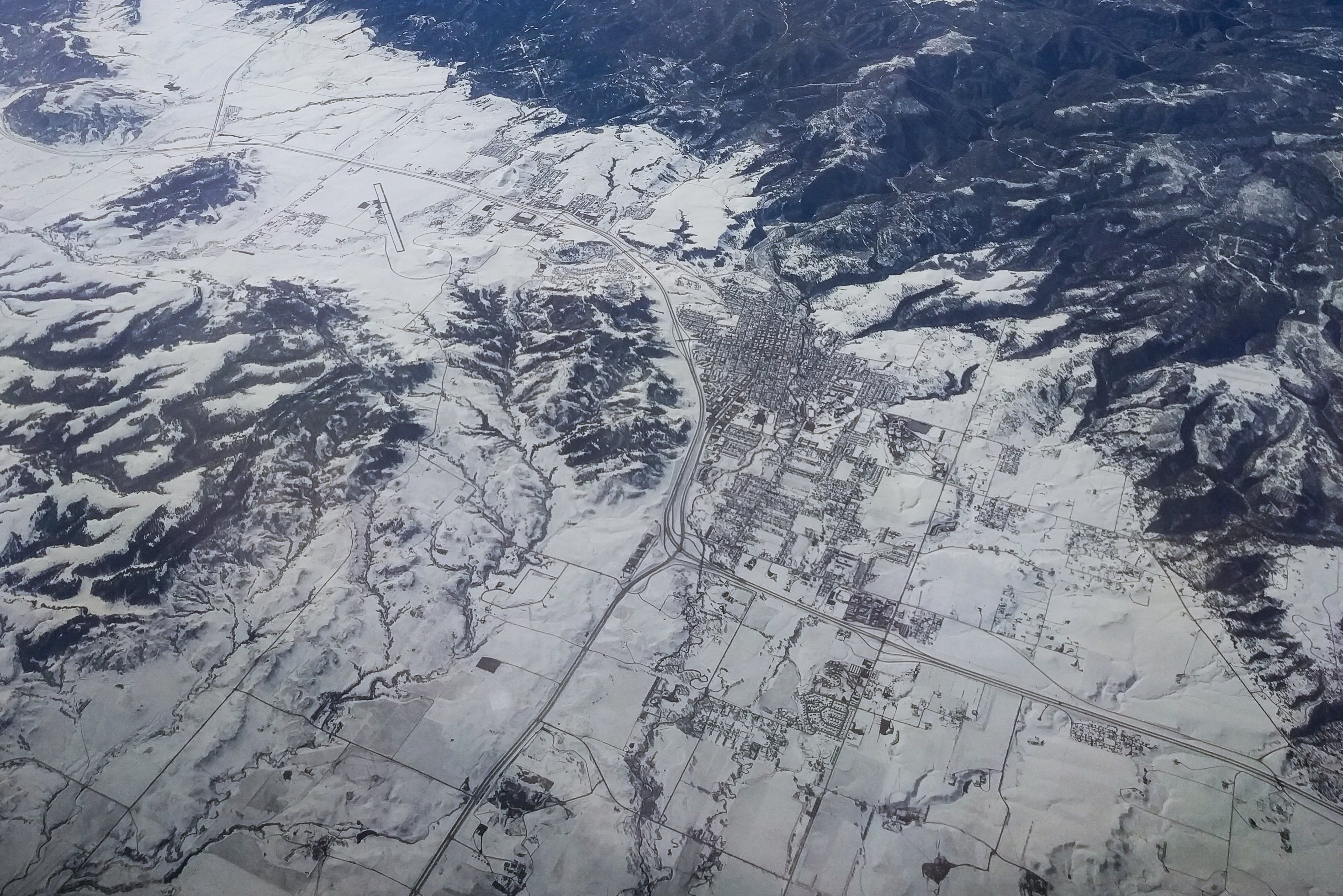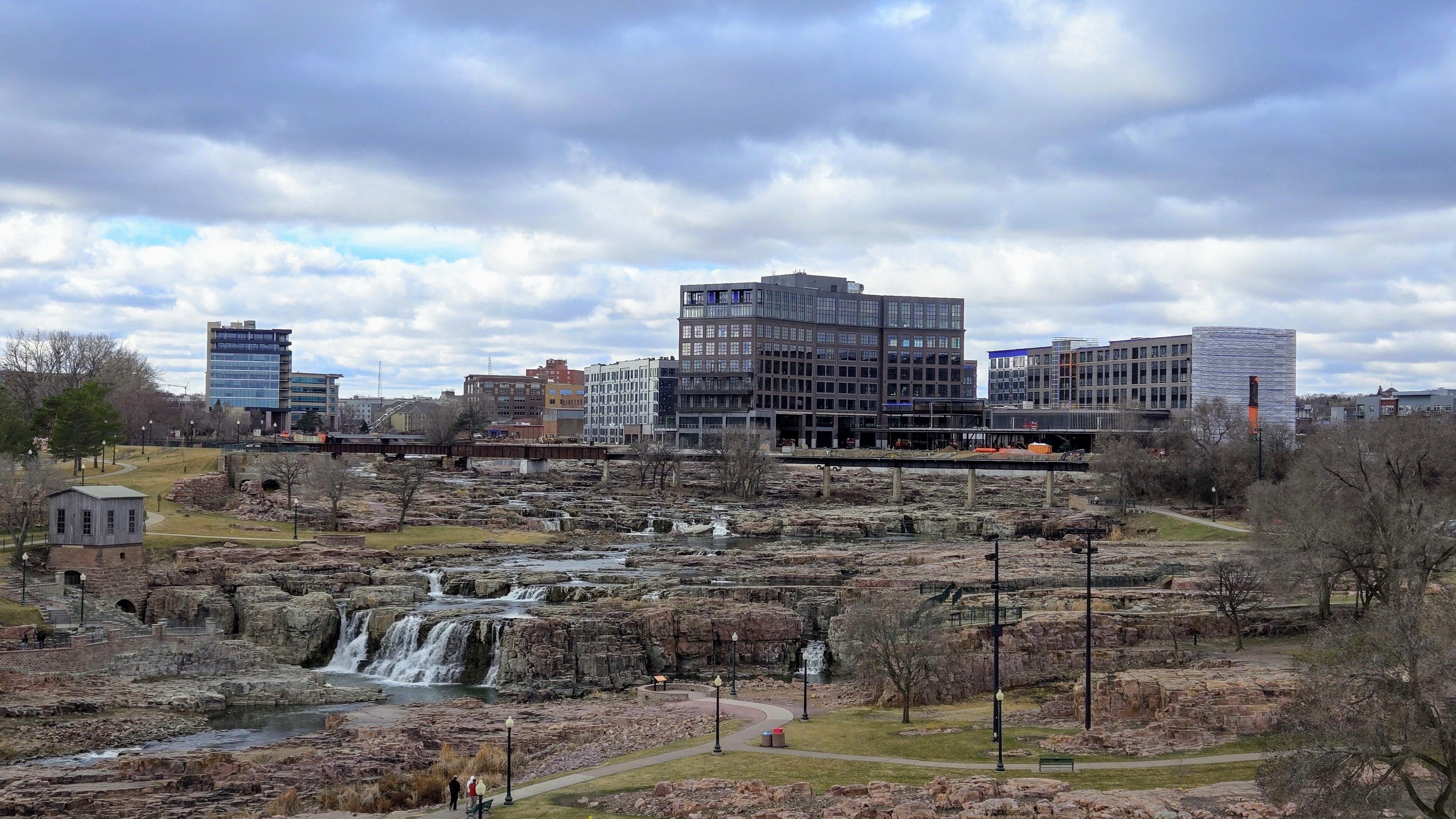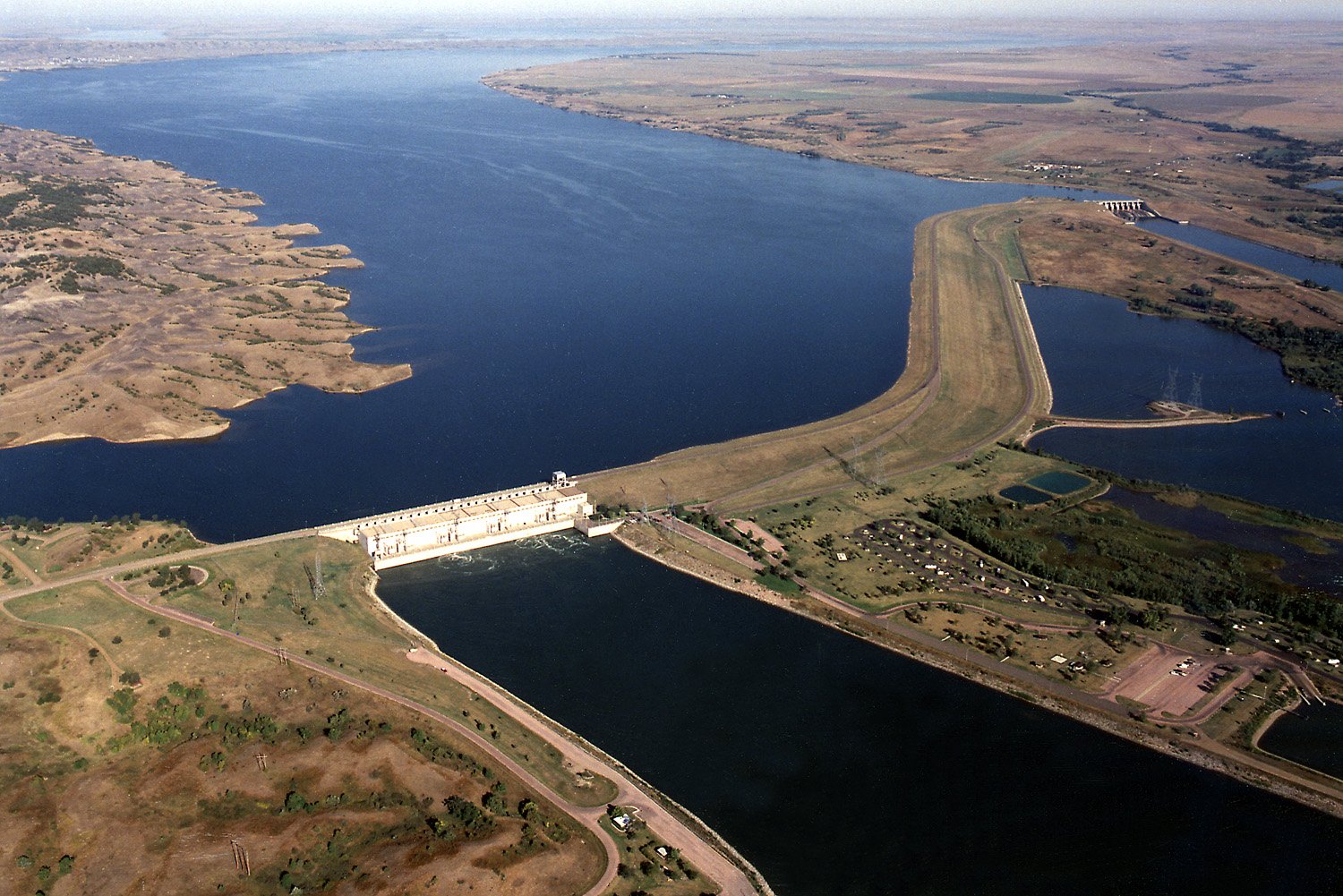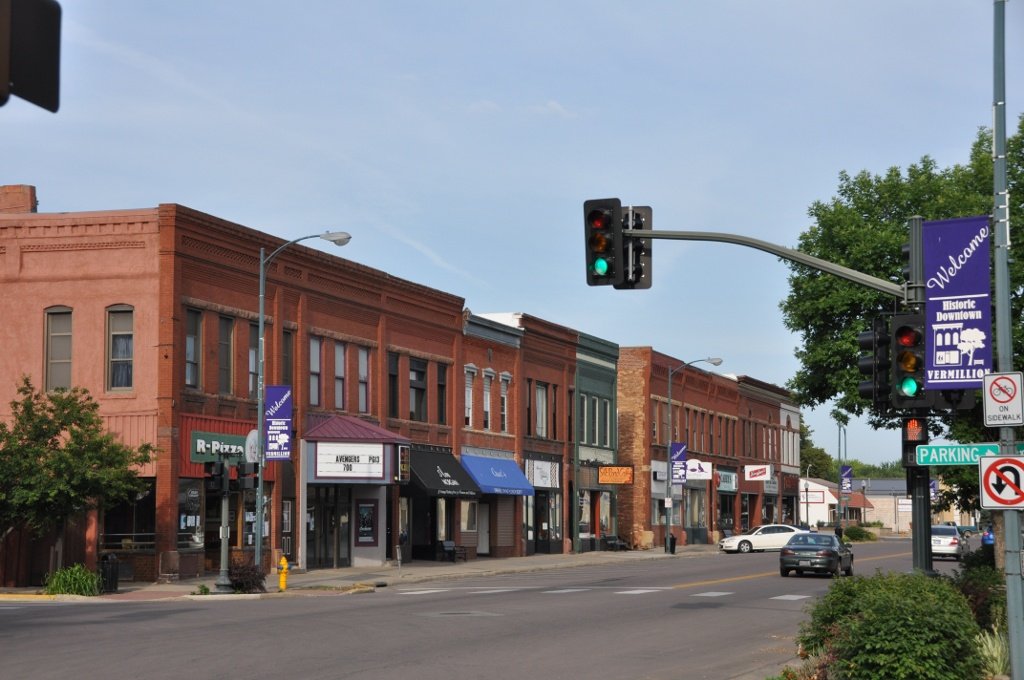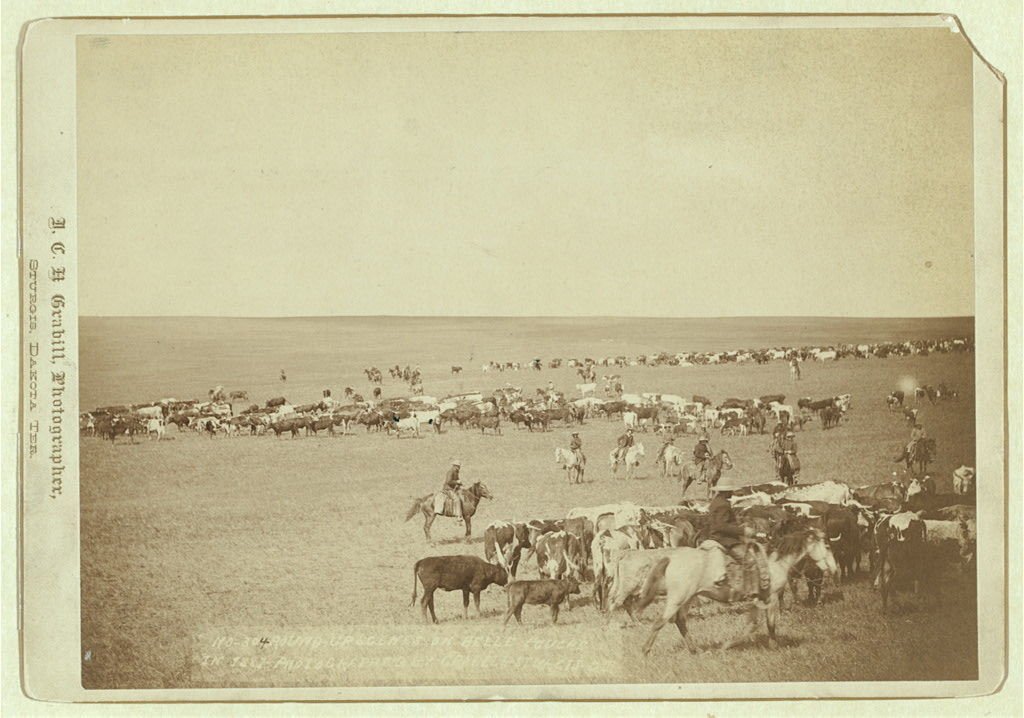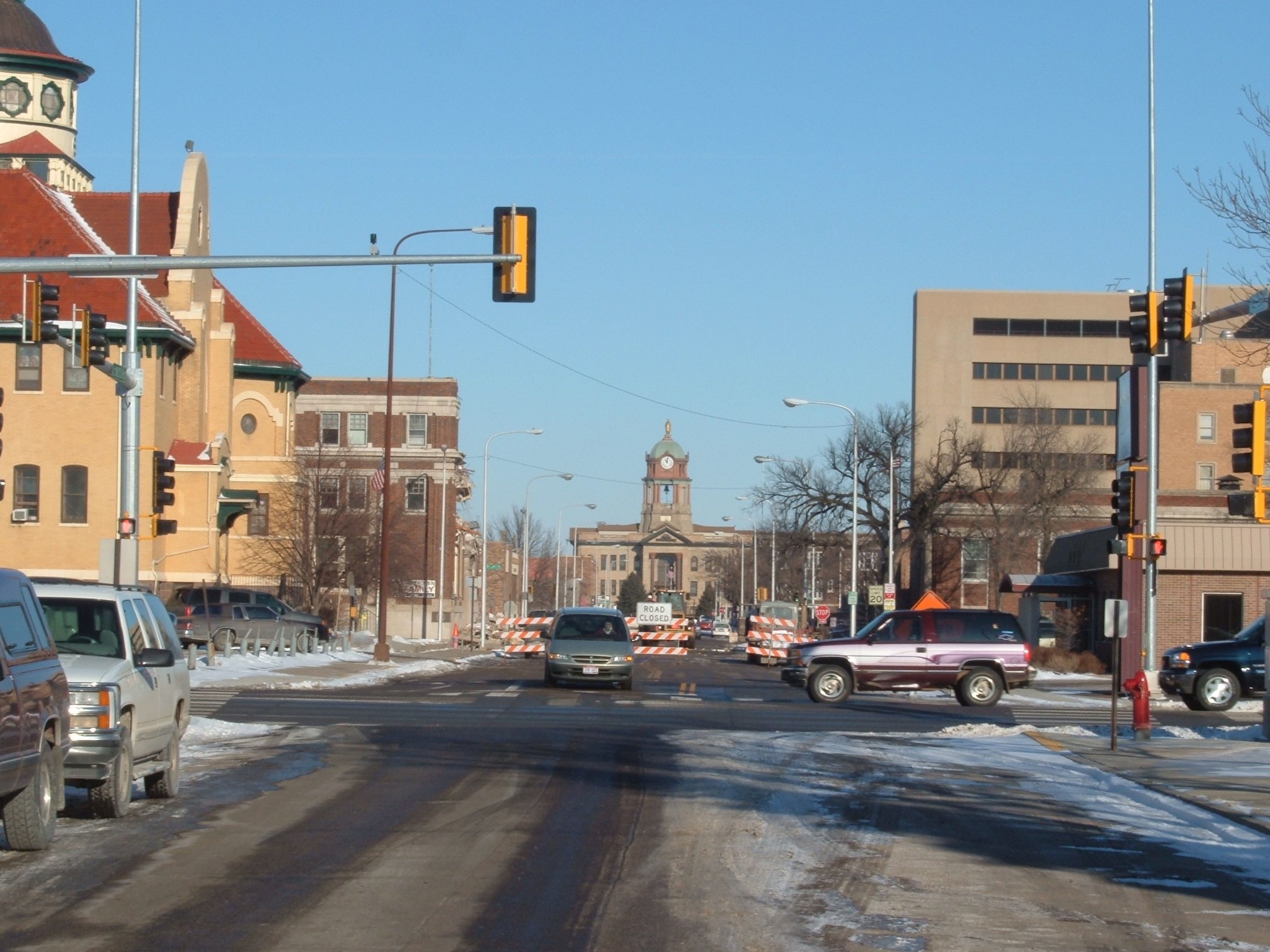
South Dakota is the most unassuming of the Great Plains states — a flat, sparsely populated rectangle of wheat and buffalo grass on the upper Missouri River — but it contains an extraordinary amount of what makes the American West famous. The state is split in half by the Missouri River, which flows north to south down its middle. Everything east of the river is prairie farming country, small towns, and the state's economic capital Sioux Falls. Everything west of the river is what most visitors actually come for: the Black Hills, the Badlands, the Pine Ridge and Rosebud Lakota reservations, and the ghost-town gold rush settlements of the late 19th century.
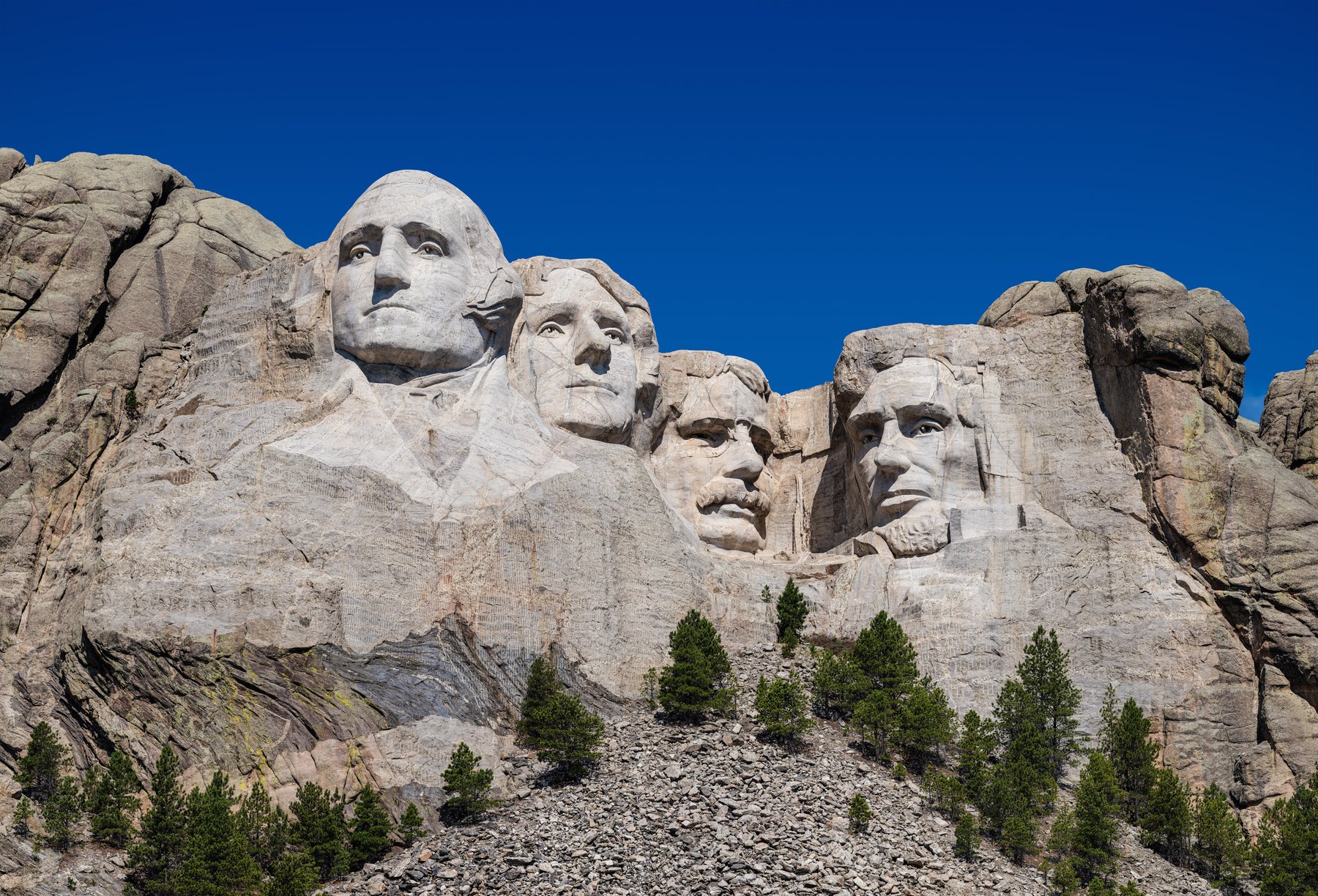
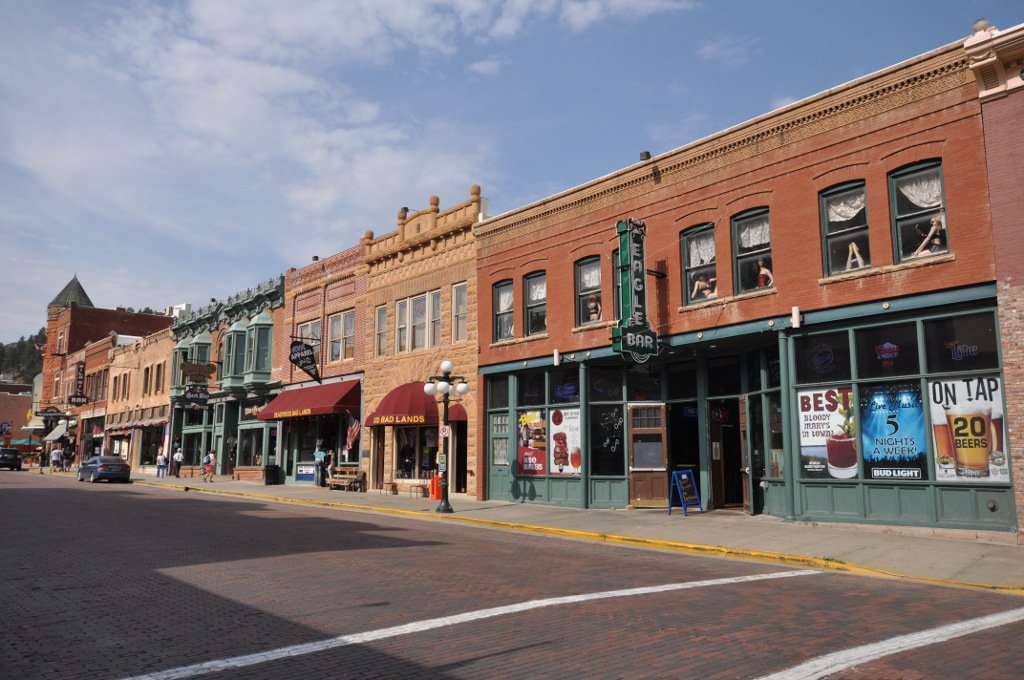
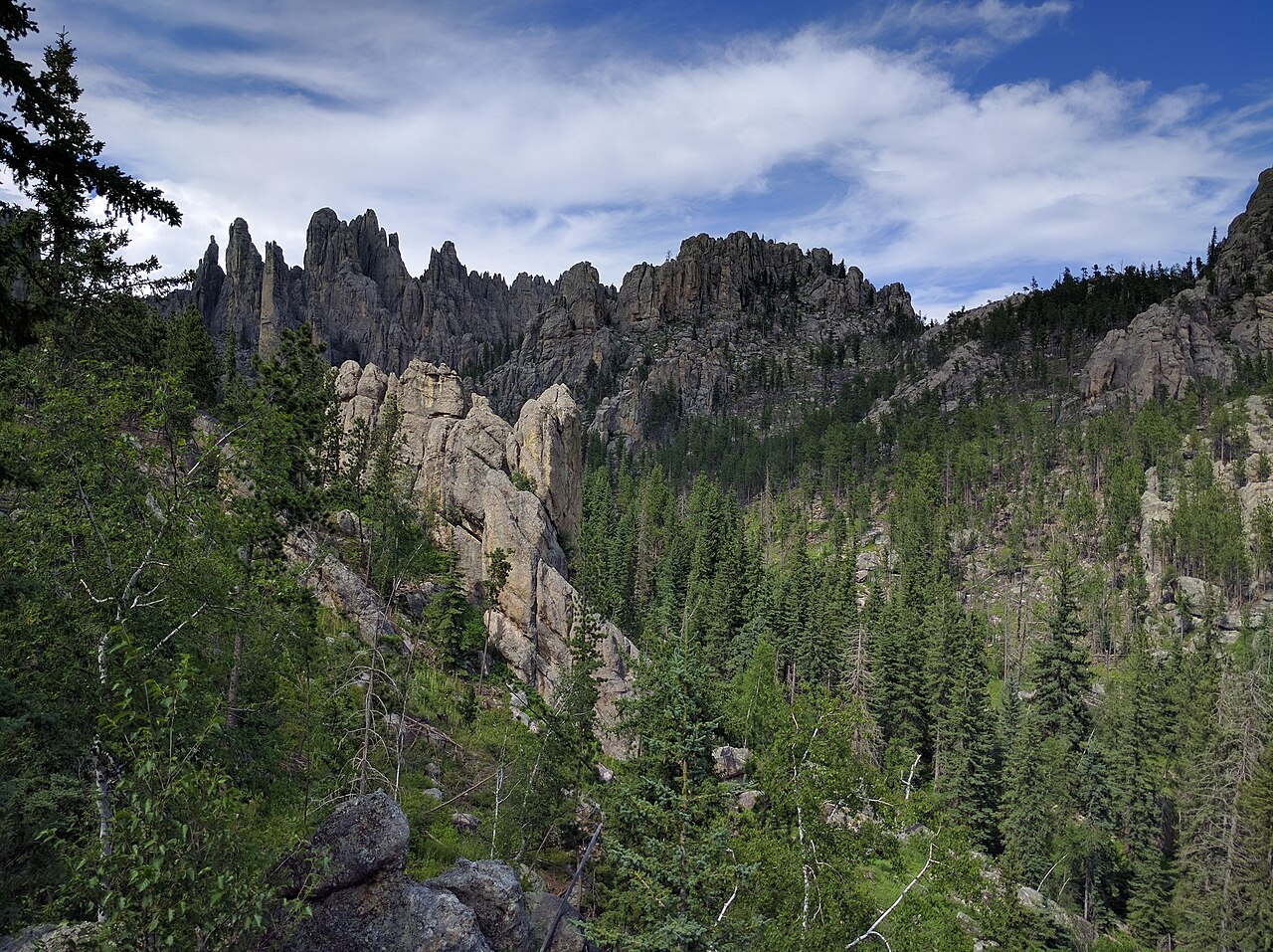
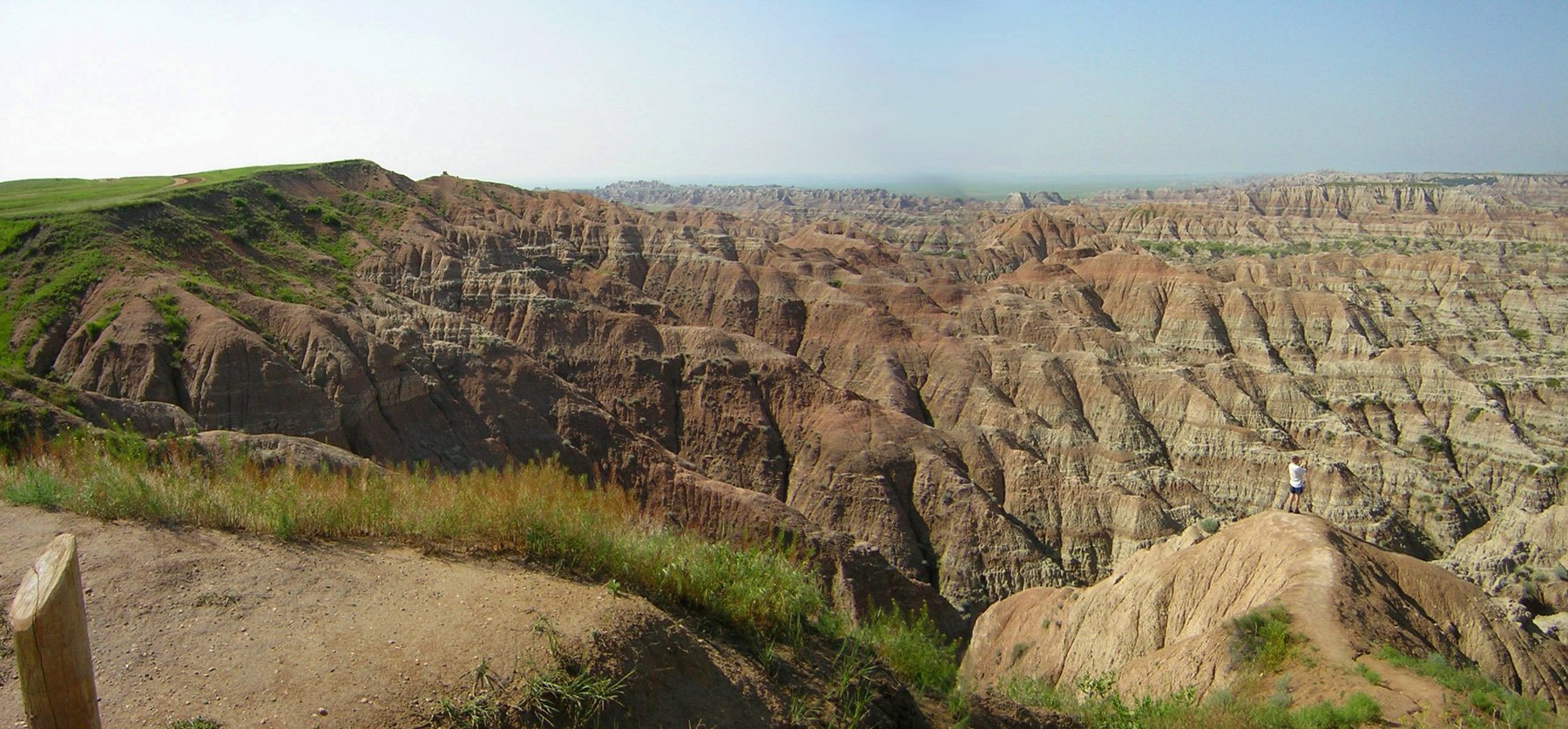
The Black Hills — a small, densely forested mountain range rising out of the plains in the south-west corner of the state — are the main draw. Mount Rushmore, with its sixty-foot presidential portraits carved into a granite cliff, is the most famous American monument after the Statue of Liberty; a little further south, the even more ambitious (and still unfinished) Crazy Horse Memorial, begun in 1948 and intended as a Native response to Rushmore, is slowly being carved into another mountain. Between them, Custer State Park has the largest free-roaming herd of bison in North America, reliably seen on the 18-mile Wildlife Loop Road. Nearby, Wind Cave and Jewel Cave national parks protect two of the longest cave systems in the world, the Badlands National Park is a vast, otherworldly landscape of eroded buttes and spires, and the old gold rush town of Deadwood — where Wild Bill Hickok was shot dead during a poker game in 1876 — has been restored to a somewhat Disneyfied version of its 1870s self.
South Dakota is also Lakota country. The Pine Ridge Indian Reservation, home to the Oglala Lakota, contains the site of the Wounded Knee massacre of 1890 and the American Indian Movement's 1973 occupation. The experience of visiting the reservation is very different from visiting the parks — this is one of the poorest places in the United States, and visitors should come with respect, patience, and a willingness to learn. The Crazy Horse Memorial includes the excellent Indian Museum of North America, and the Akta Lakota Museum in Chamberlain is another good introduction to Lakota history.