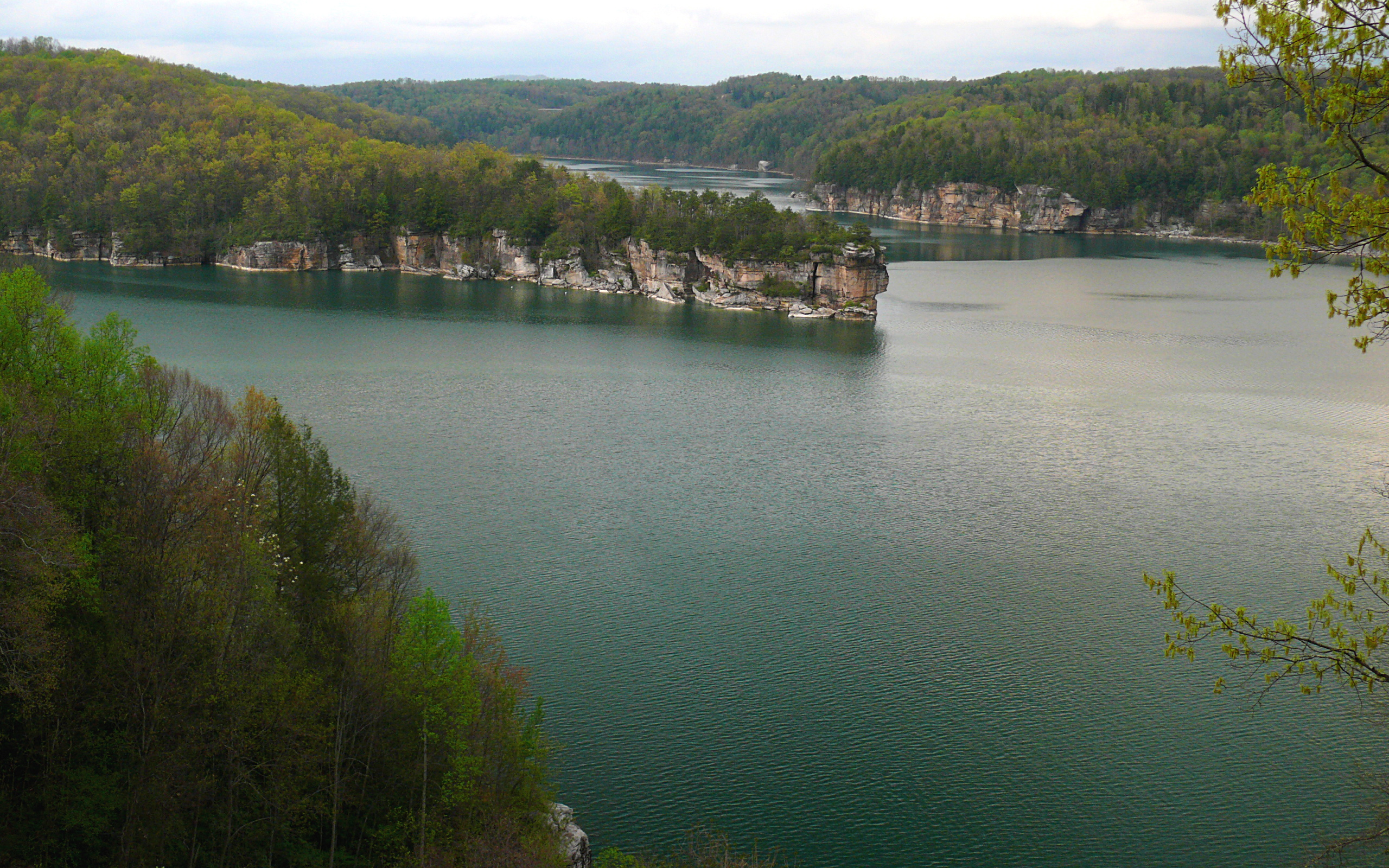
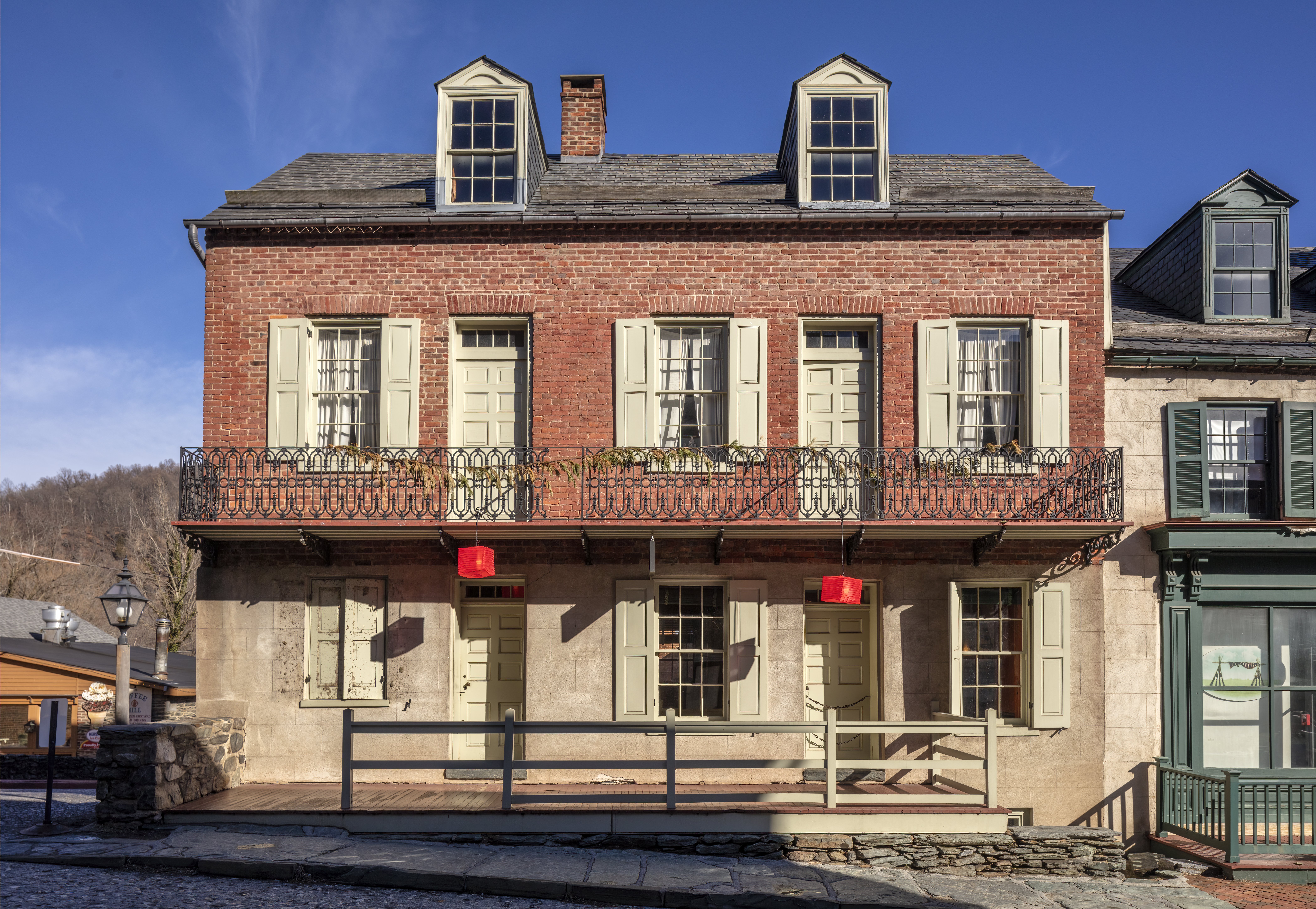
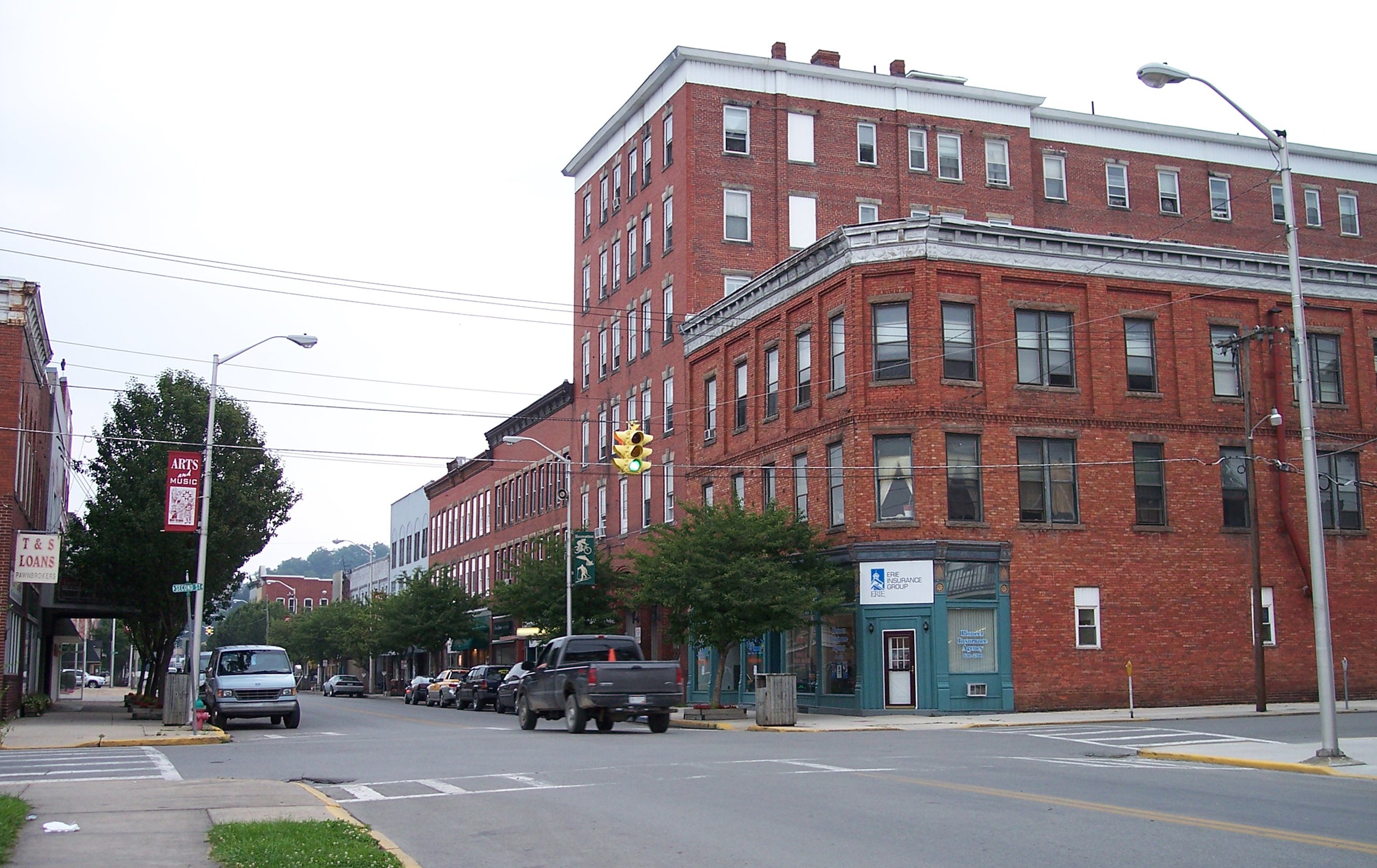
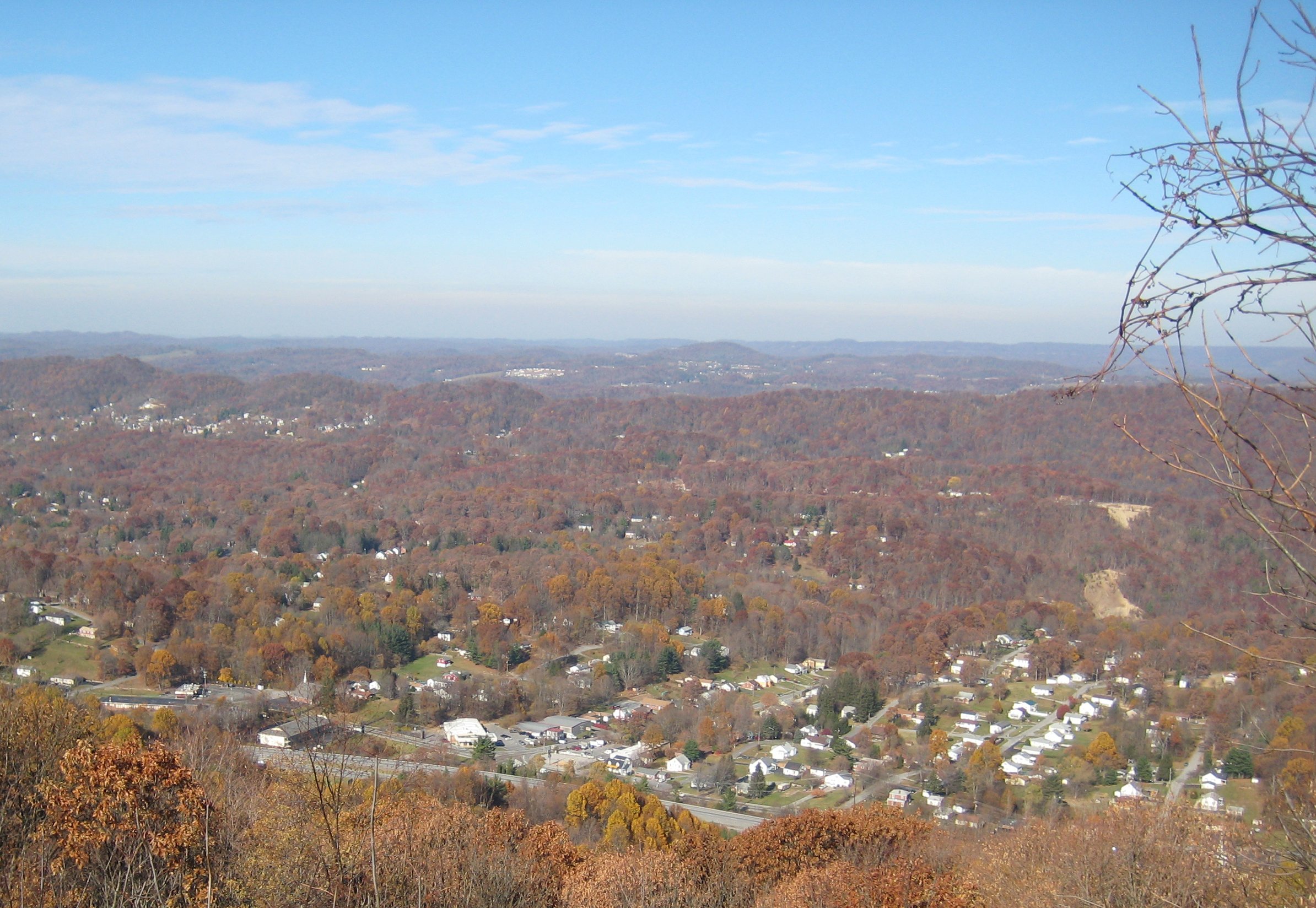
West Virginia is the most rugged and mountainous state in the eastern United States, a land of steep ridges, narrow valleys, and fast rivers carved through the Allegheny Plateau. Separated from Virginia in 1863 when its western counties refused to join the Confederacy, the state has always had a distinct identity — shaped by the coal industry, organised labour, and the Scots-Irish settlers who came to work the mountains long before coal was king.
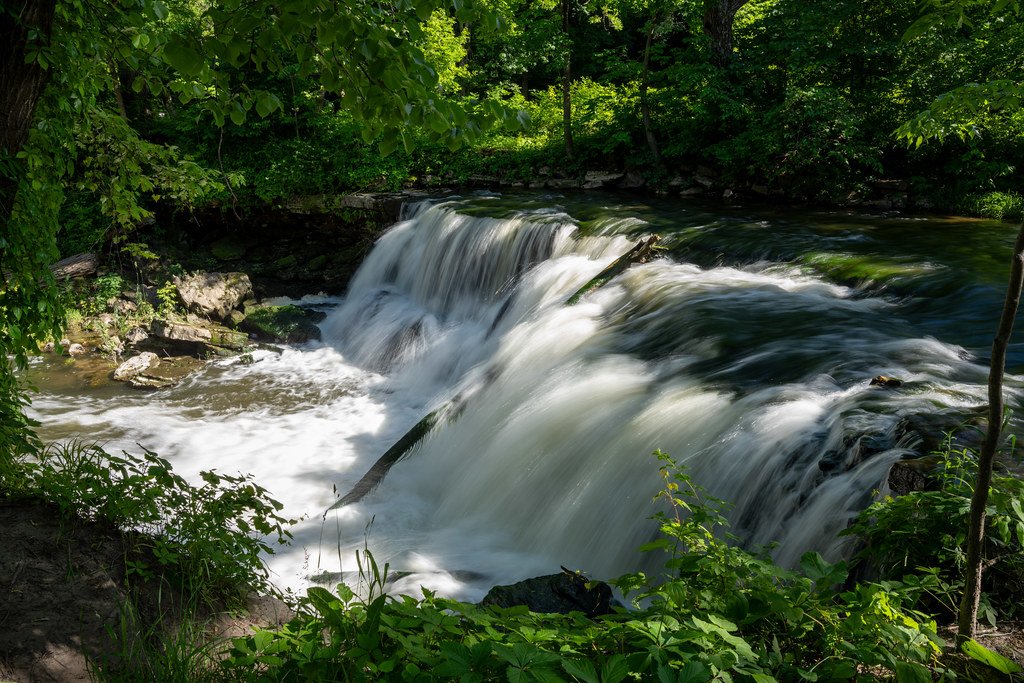
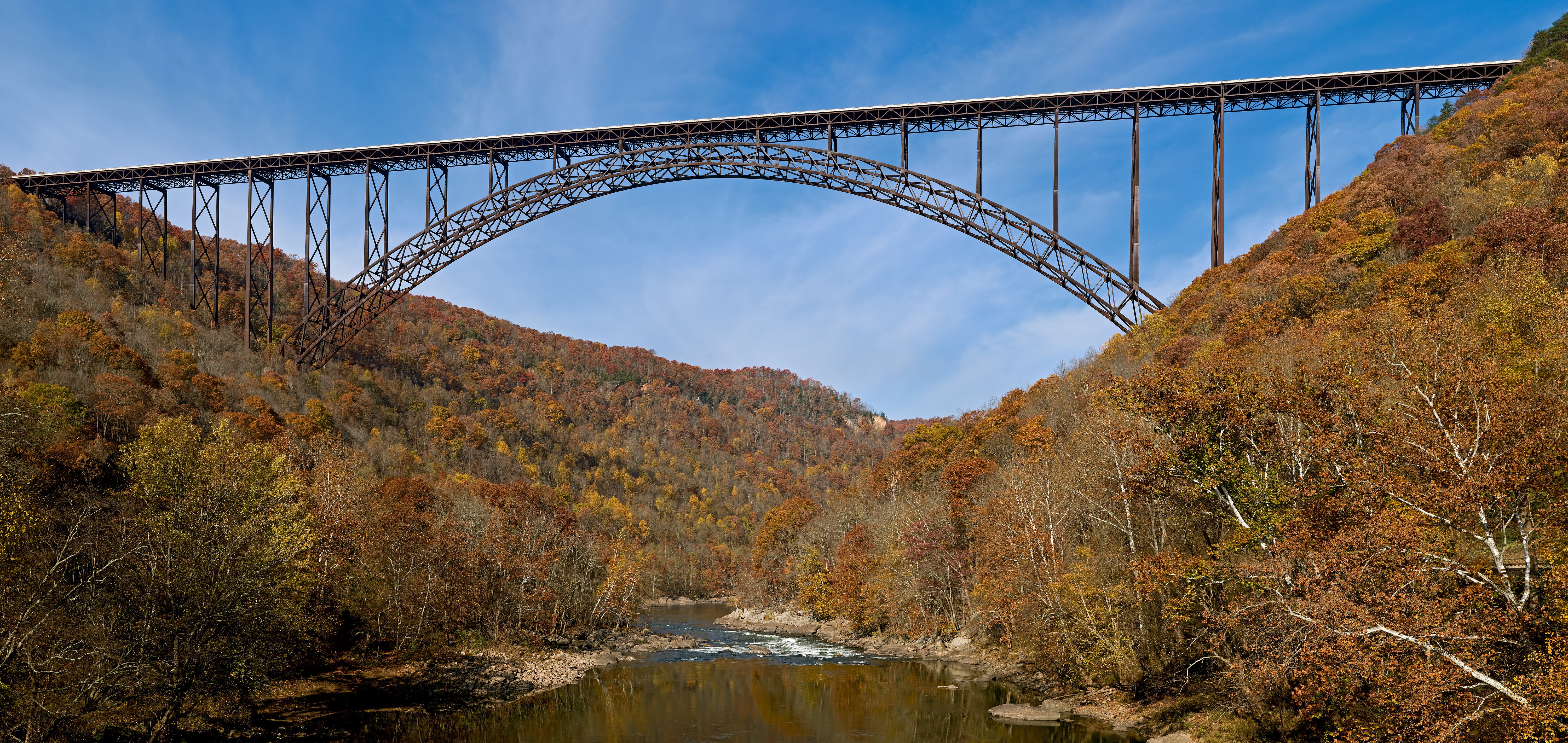
The landscape is the main attraction. The New River Gorge, one of the deepest river gorges in the eastern US, is now a National Park and draws hikers, climbers, kayakers, and white-water rafters year-round. The Gauley River offers some of the most technically demanding white-water in North America. The high peaks of the Allegheny Mountains at Spruce Knob (the state's highest point, at 1,482m) and the dramatic rock formations at Seneca Rocks are popular with hikers and climbers. In winter, Snowshoe, Canaan Valley, and Timberline ski resorts attract visitors from across the eastern seaboard.
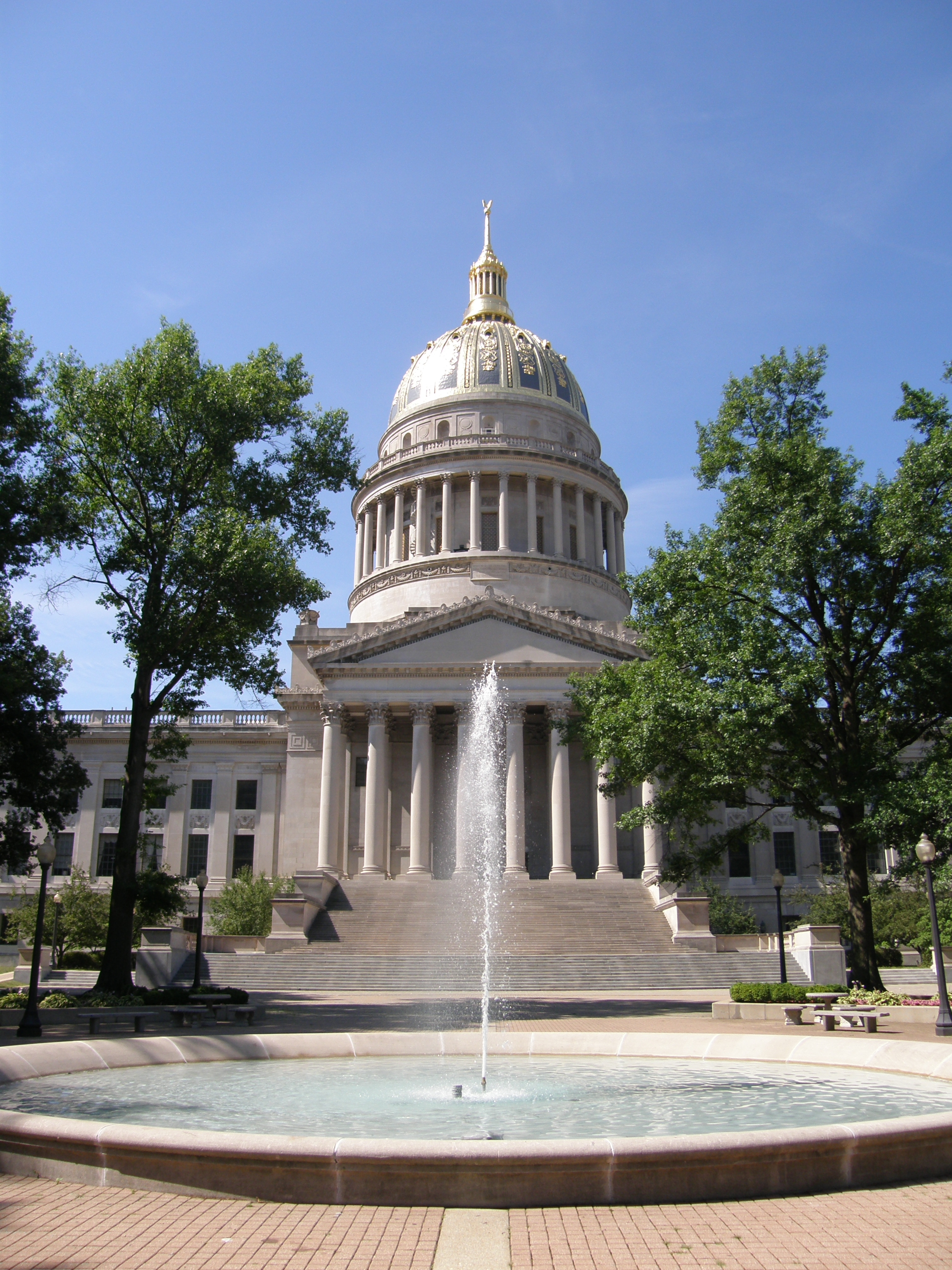
Charleston is the capital and largest city, located where the Kanawha and Elk rivers meet. The gold-domed State Capitol, designed by Cass Gilbert, is an impressive building by any standard, and the Capitol Street corridor in downtown has experienced a revival of restaurants, galleries, and independent shops. Wheeling, in the Northern Panhandle near Pittsburgh, retains considerable Victorian charm and a handsome riverfront. Morgantown is a lively university town (home to West Virginia University), while Beckley serves as the gateway to the New River Gorge.
Getting around requires a car — West Virginia's highway system is good and largely uncongested, with 70 mph limits on many routes. Amtrak's Cardinal line serves Huntington and Charleston on its thrice-weekly Chicago–Washington DC run.