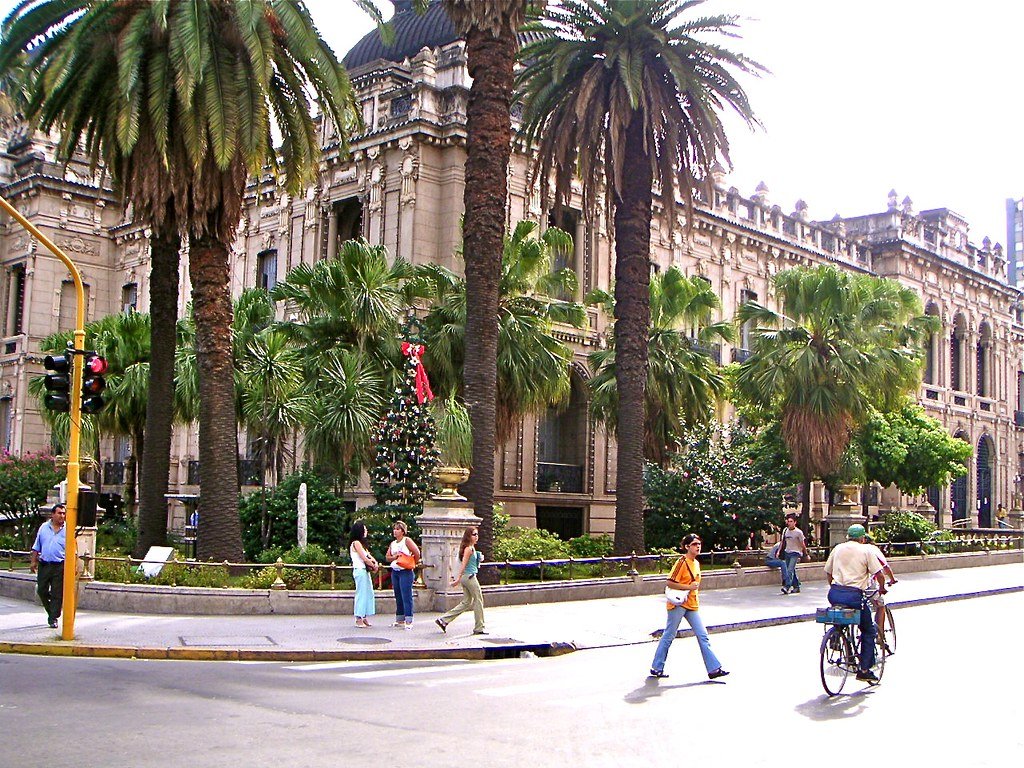
San Miguel de Tucumán — usually just called Tucumán — is the capital of Argentina's Tucumán province and the country's fourth-largest city. It sits at the foot of the Sierra del Aconquija, in the sugar-cane heartland of the northwest, and carries a significance far beyond its size: this is the city where Argentina declared independence on 9 July 1816, an event the country still celebrates with genuine feeling every year.
The city has a dense, busy downtown with a lively Plaza Independencia at its centre, lined with government buildings, the cathedral, and the small white Casa Histórica where the independence declaration was signed. Beyond the square, Tucumán is commercial and unpolished in the way of provincial Argentine cities — not a tourist destination in the conventional sense, but interesting for that reason. The northwest is Argentina's most culturally layered corner, with indigenous heritage and colonial history woven into the food, architecture, and everyday life.
The surrounding province is greener and lusher than most of Argentina — subtropical forests rise into the sierra, and the region grows most of the country's lemons and sugar. If you are passing through the northwest on the way between Salta and Buenos Aires, Tucumán is worth a stop of a day or two: the historical core is compact and walkable, the food is excellent, and the Mercado del Norte is one of the better municipal markets in the country.