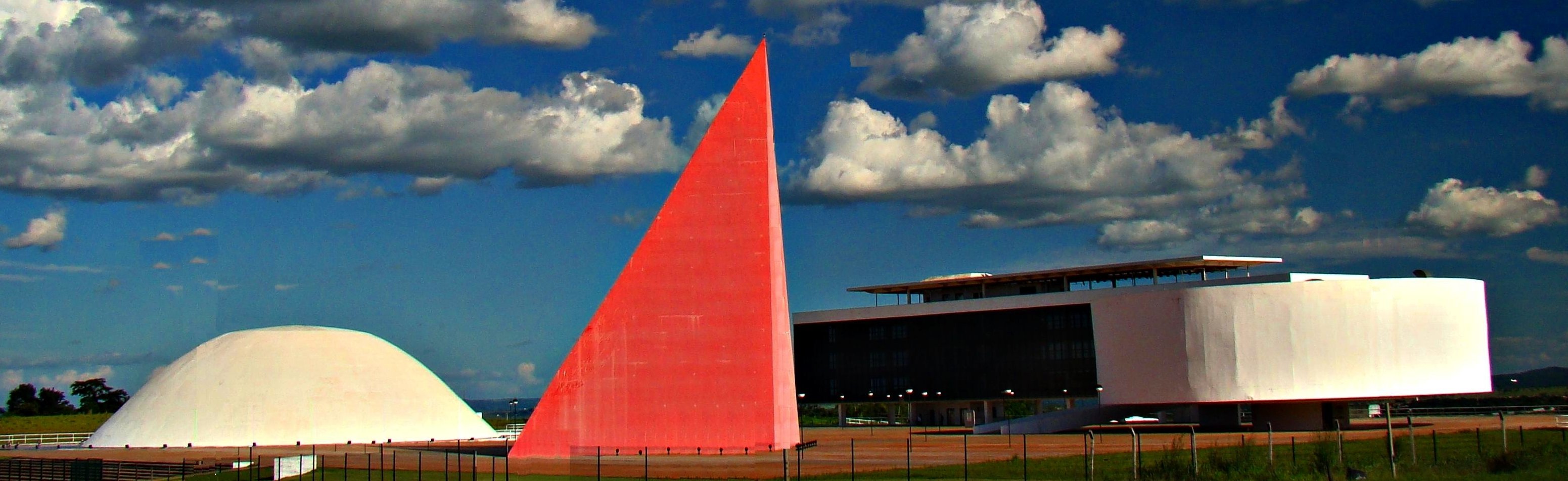
Goiânia is the capital of Goiás state in central Brazil, a planned city built in the 1930s with broad avenues and Art Deco architecture. It is a prosperous, modern place — the centre of Brazil's agribusiness heartland — and not an obvious tourist destination, but it has genuine appeal for visitors willing to look beyond the beach-focused Brazil itinerary.
The Praça Cívica at the heart of the city is a well-preserved 1930s ensemble of government buildings and the Nossa Senhora Auxiliadora Cathedral, designed as a monumental statement for Brazil's new interior capital. The Bosque dos Buritis, a large central park filled with native buriti palms, has good walking paths and the Museu de Arte de Goiânia. The Parque Vaca Brava is a popular gathering spot in a lively restaurant neighbourhood in the evenings.
The city is known across Brazil for its food scene, particularly goiana cuisine — rice, beans, pequi (a pungent local fruit that divides opinion), and empadão goiano, a rich savoury pie. The Mercado Central is the best place to try the local dishes and buy regional produce. Goiânia also has a serious music scene: it is the birthplace of sertanejo (Brazilian country music), and live music bars are everywhere.
The Goiânia Caesium-137 Accident Memorial marks the site of the 1987 radiological disaster — one of the worst in history — that left a permanent mark on the city's sense of itself. The historic colonial town of Goiás, a UNESCO World Heritage Site, is about 130 kilometres west and makes an excellent day trip or overnight.