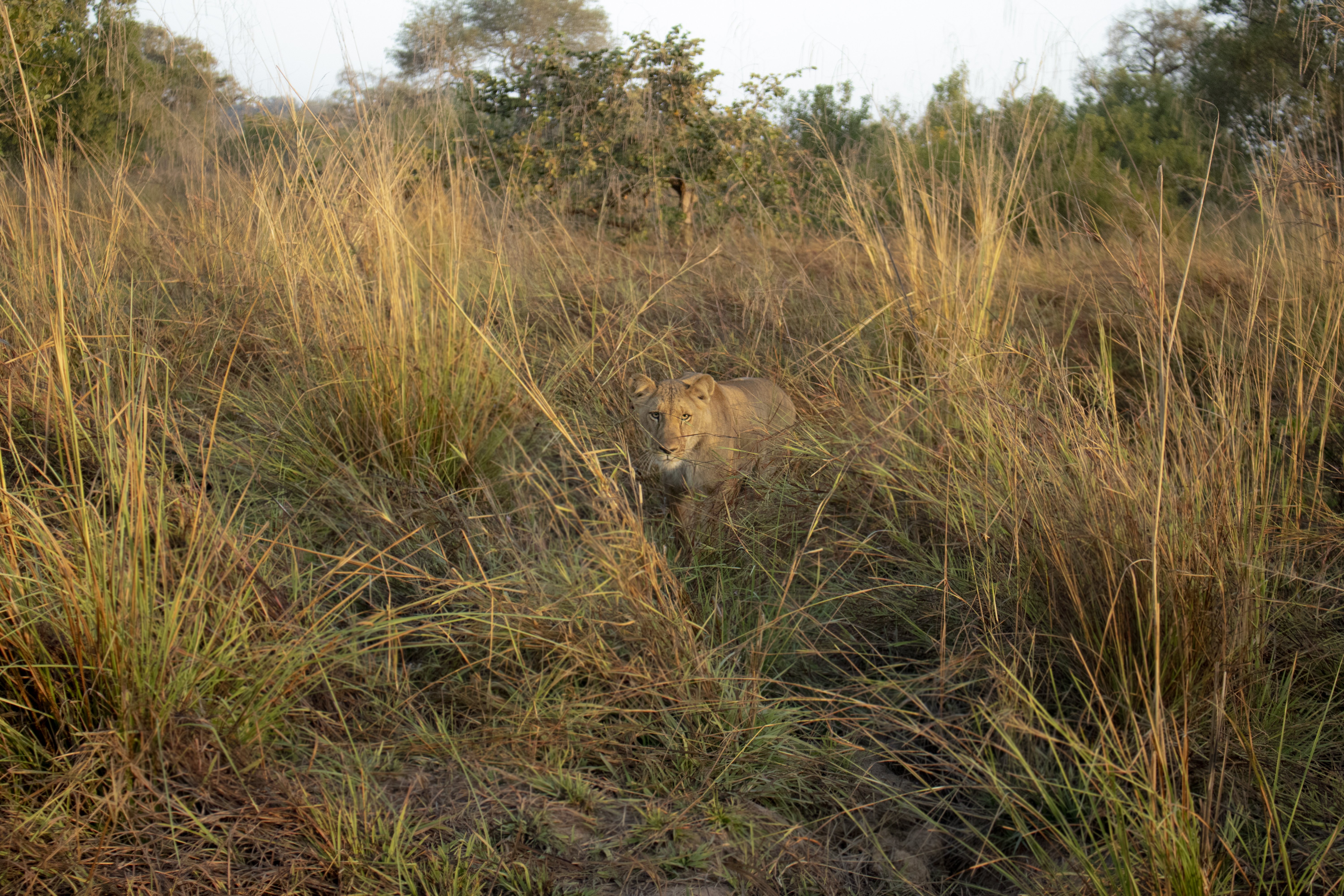
Benin's protected areas are concentrated in the far north of the country, where two contiguous wildlife reserves form the Beninese portion of the W-Arly-Pendjari (WAP) complex — the largest intact savanna ecosystem in West Africa. Together, the two parks make Benin the most rewarding wildlife destination in the region and the only realistic place to look for West African lion, an almost-extinct subspecies that has vanished from nearly all of its historic range.
Pendjari National Park, in the Atakora department, is the more visited of the two. Around 2,755 square kilometres of wooded savanna and gallery forest, it is bounded by the Pendjari River to the north and the Atakora escarpment to the south. African Parks has managed Pendjari in partnership with the government since 2017, and the standard of guiding, anti-poaching, and infrastructure has improved markedly since then. The base is Tanguiéta; the prime months are March and April, when game concentrates at the waterholes before the rains break.
W National Park (Parc National du W, named for the W-shaped meander of the Niger River that forms its boundary) sits east of Pendjari, in the Alibori department, and continues across the borders into Burkina Faso and Niger. The Beninese sector is the least-visited of the three national portions but holds the same suite of large mammals as Pendjari, often with even fewer other vehicles. The access town is Kandi; visits require more planning and are best arranged through a Cotonou-based operator who knows the current condition of the park roads.
Together the two parks open from December to early May; the rest of the year the tracks are impassable and the parks effectively close. Plan at least three or four days inside whichever park you choose; one day is a teaser and two is a tasting menu.