Chad is one of the most difficult countries in Africa to visit and one of the most rewarding. It is a vast, landlocked nation stretching from the Sahara Desert in the north to tropical savanna in the south, and it contains landscapes found nowhere else on earth.
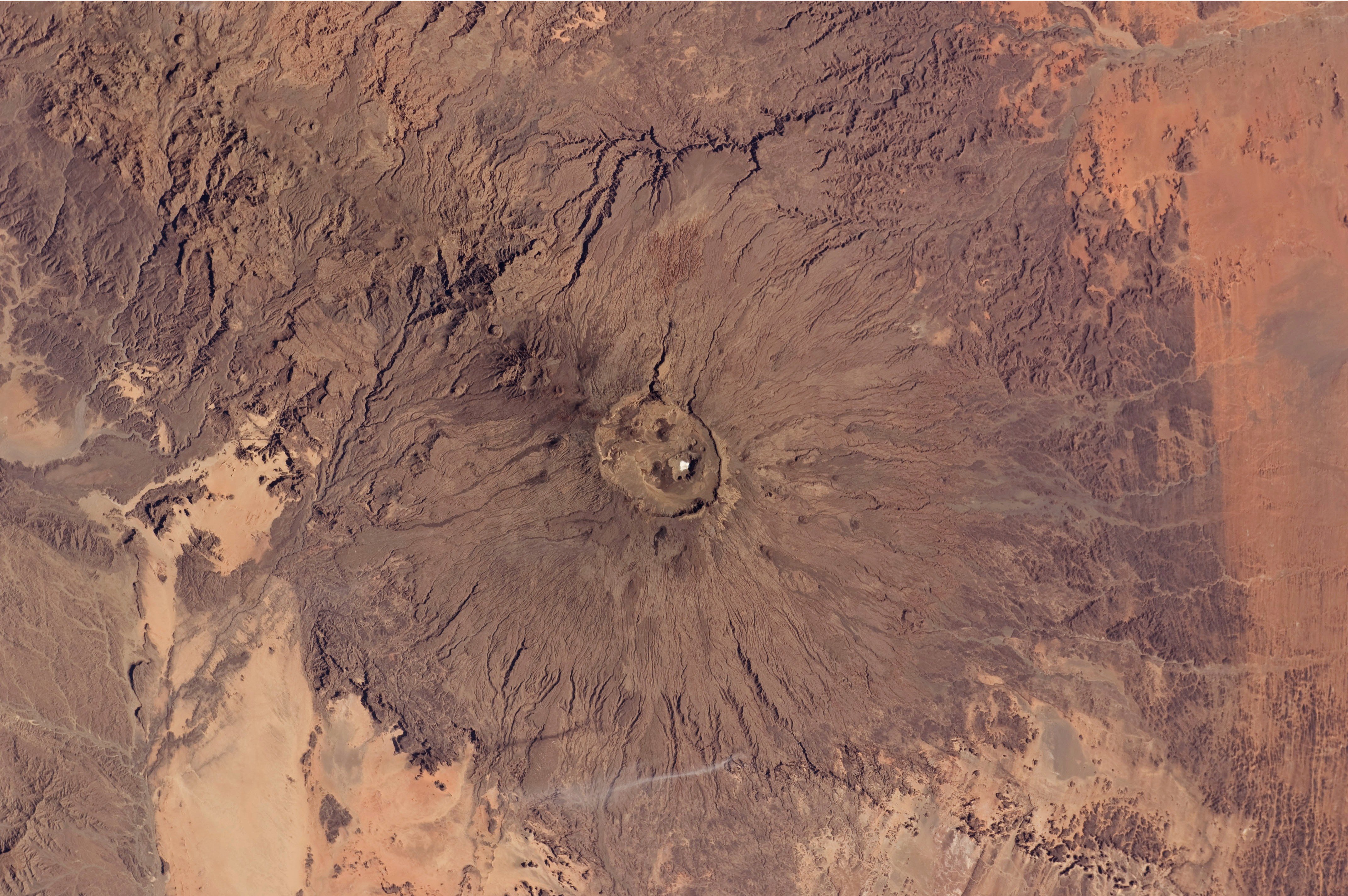
The Ennedi Plateau in the northeast is a sandstone labyrinth of arches, spires, and canyons that rivals the American Southwest but sees only a handful of visitors each year. The Saharan crocodiles that survive in the Guelta d'Archei, a gorge where Toubou nomads water their camels at dusk, are among the last of their kind. In the far north, the Tibesti Mountains rise to over 3,400 meters at Emi Koussi, the highest point in the Sahara. The Ounianga Lakes, a chain of jewel-colored desert lakes, became Chad's first UNESCO World Heritage Site in 2012.
In the south, Zakouma National Park is one of West and Central Africa's last great wildlife reserves. Its elephant population, nearly wiped out by poaching in the 2000s, has been steadily recovering under new management, and the park holds half the world's remaining Kordofan giraffes. The rainy season transforms the southern plains into green savanna alive with birds and wildlife.
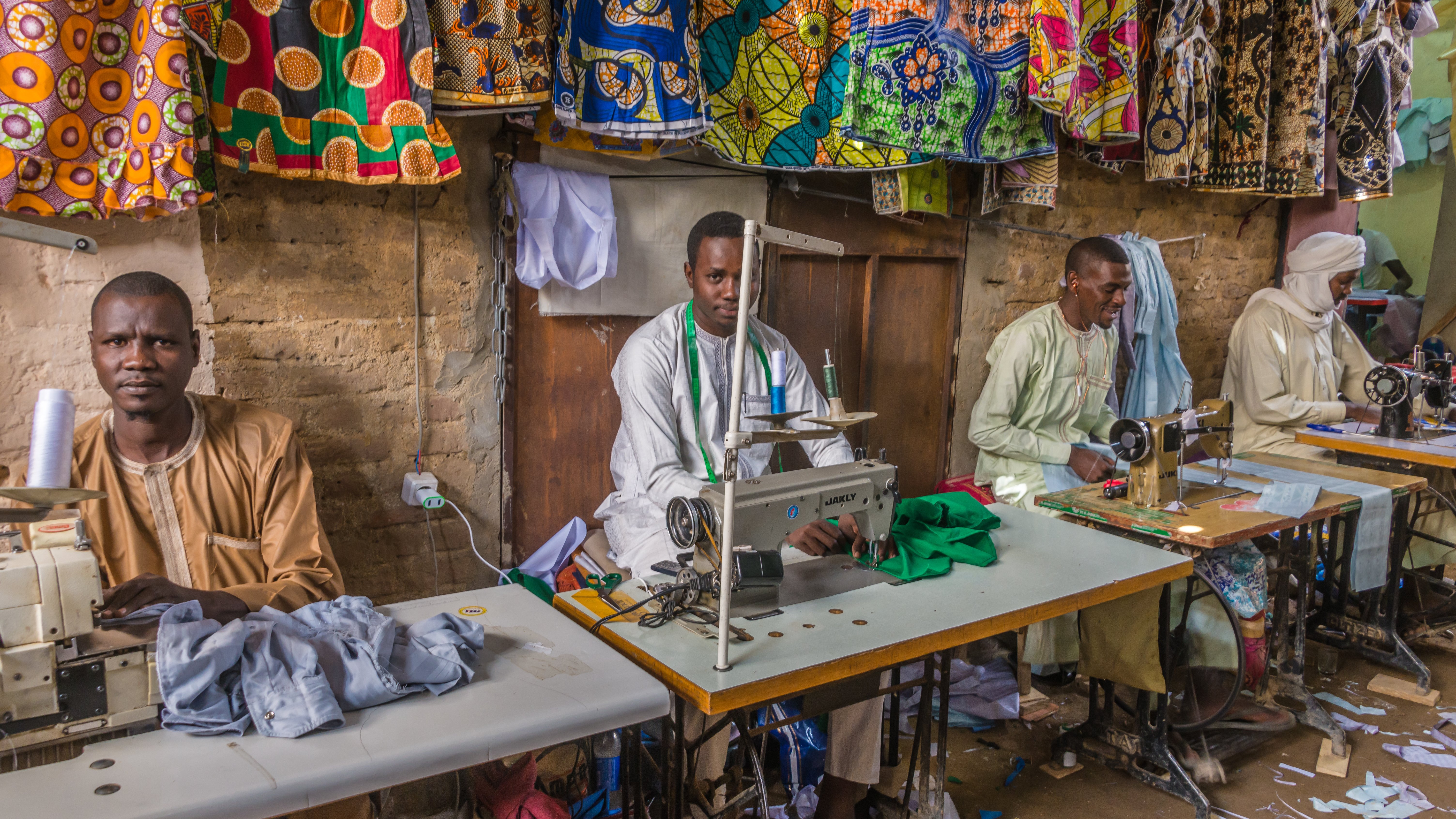
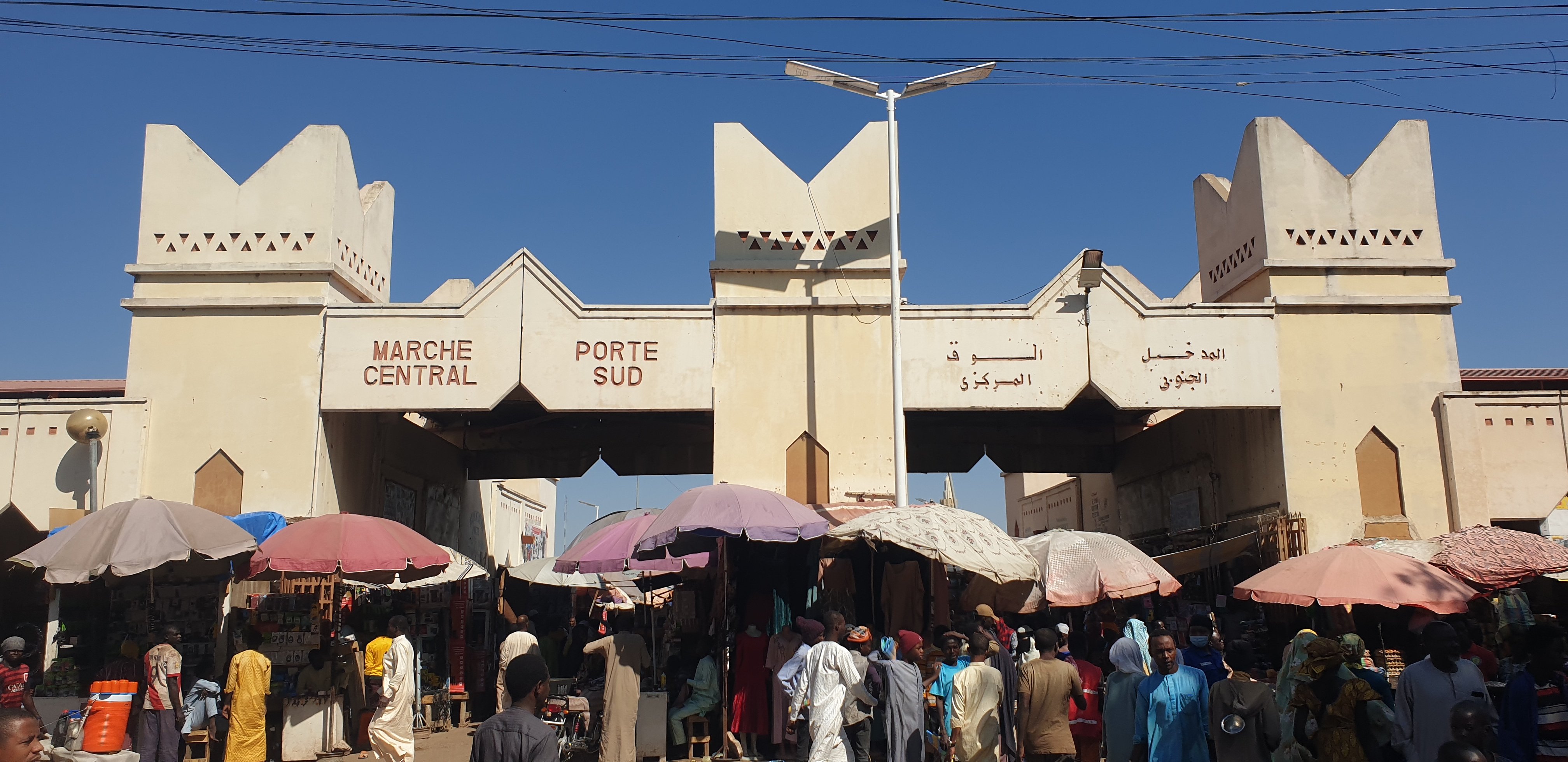
N'Djamena, the dusty capital on the Chari River, is where most trips begin and end. It is not a city you visit for pleasure, but its markets are lively and it is the logistics hub for everything else. Abeche in the east was once the seat of the powerful Ouaddai Kingdom and still has crumbling mosques and a sultan's palace to show for it. Lake Chad, the great body of water that gave the country its name, has shrunk dramatically since the 1960s but remains home to fishing communities and traditional reed boats.
You should be honest with yourself before planning a trip here. Chad has serious security problems. The UK Foreign Office advises against all travel to the northern provinces (Borkou, Ennedi, Tibesti) and the Lake Chad region, and against all but essential travel to the rest of the country, including N'Djamena. Armed robbery, carjacking, and kidnapping occur. Infrastructure outside the capital is minimal. Roads are mostly unpaved, there are no railways, and domestic flights are irregular at best. The rainy season (June to October) makes many roads impassable.
That said, travelers who do make it here, almost always with an experienced local guide and a good 4x4, describe Chad as one of the most extraordinary places they have ever been. The landscapes are staggering, the cultural diversity is immense, with over 200 ethnic groups and more than 100 languages, and the sheer remoteness gives it a quality that more accessible destinations cannot match.