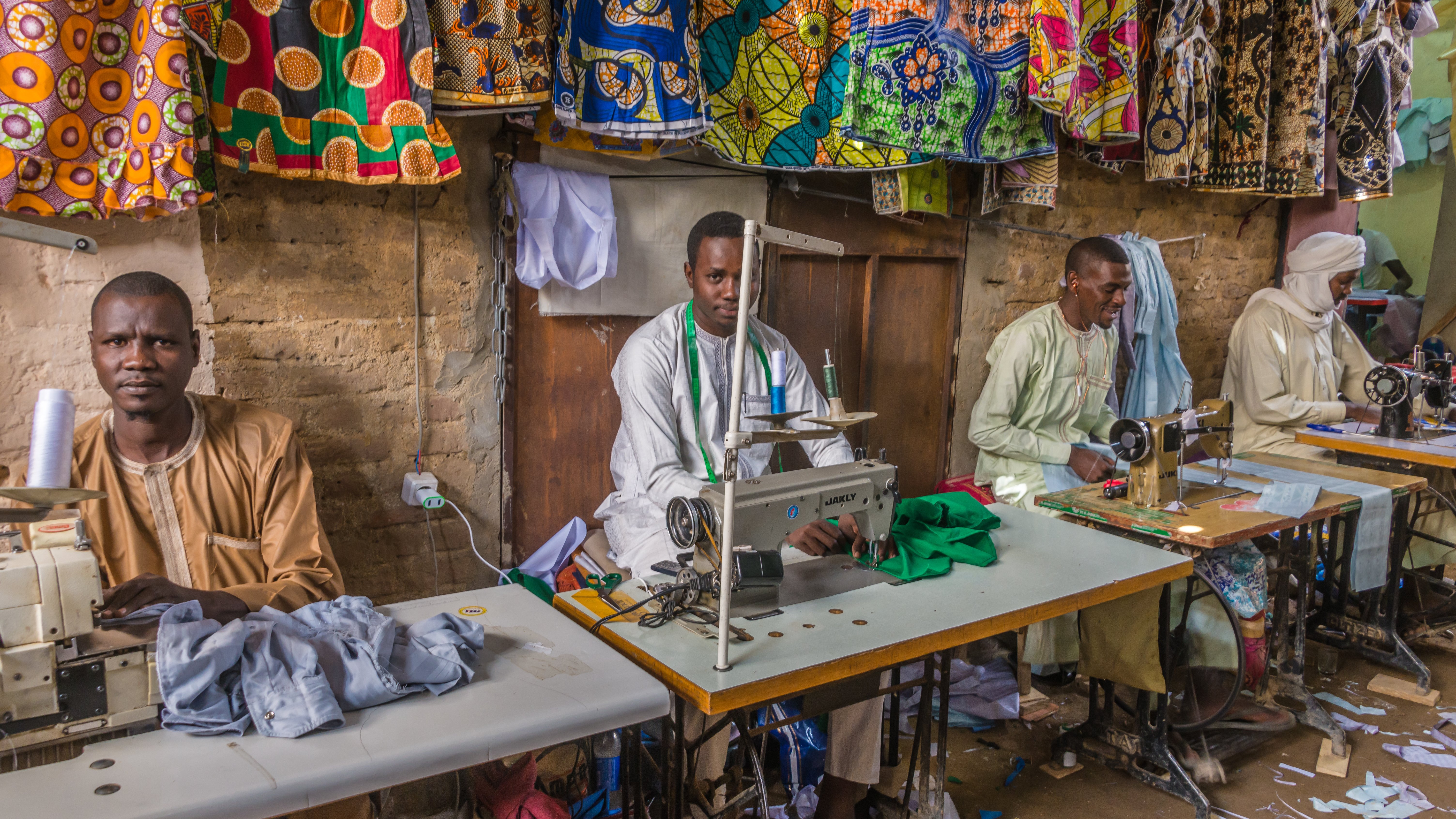
Eastern Chadian city and former Ouaddai capital, with old souqs and routes toward the Ennedi
Abeche, 750 km east of N'Djamena, was the most important city in Chad when the French arrived. It was the capital of the powerful Ouaddai Kingdom, and you can still see the remnants of that era: crumbling mosques, cobbled streets worn smooth, old souqs, and a rundown sultan's palace that hints at former grandeur.
The town itself is not large, and amenities are basic. There are a few simple hotels and places to eat, none of which will impress, but the atmosphere is compelling. Nomads from the surrounding desert pass through constantly, Zaghawa and Arab traders with their camels and livestock, and the market has a frontier energy that the capital lacks.
Abeche is also the gateway to the eastern desert and the Ennedi Plateau. Most overland expeditions to the Ennedi stage through here for fuel and supplies.
The nearby ruins of Ouara, the former capital of the Ouaddai sultanate, are a few kilometers away and worth a visit. A mosque and sultan's tomb still stand. East of Abeche, the road continues to Adre on the Sudanese border. The border is technically open but the area is sensitive due to the long-running refugee crisis, and travel here requires careful planning and current intelligence on security conditions.
Guide
Getting There
Abeche is 750 km east of N'Djamena, and getting there requires either a flight or a serious commitment to overland travel. All visitors should check the current security situation for eastern Chad before making any plans; the region has experienced conflict related to cross-border instability with Sudan, and conditions change.
By Air
Abeche Airport (IATA: AEH) receives regular flights from N'Djamena operated by domestic carriers. The flight takes around two hours and is the only practical option for most travelers. Schedules shift and seats sell out, so book as early as possible. The airport is a few kilometres north of the town centre; shared taxis meet flights.
By Road
The overland route from N'Djamena follows a rough piste for much of its length. In the dry season, the journey takes at least two days by 4WD with a driver who knows the route. In the wet season (June–September), sections of the road are impassable. There is no reliable public transport covering the full distance; bush taxis and trucks make portions of the journey, but piecing together the full route is difficult and slow.
Most organized expeditions to the Ennedi Plateau stage through Abeche and arrive with their own vehicles. If you are joining a group tour, transport will be arranged for you.
Security
Eastern Chad, including the area around Abeche, has seen periodic insecurity related to the situation in Darfur across the Sudanese border. Many governments advise against non-essential travel to this region. Check your government's travel advisory and register with your embassy in N'Djamena before traveling east.
Guide
When to Go
The best time to visit Abeche is November through February, when temperatures are tolerable and the dust from the harmattan is manageable. Days are warm, nights can be genuinely cold, and the roads are at their most passable. This is also the window when overland expeditions to the Ennedi Plateau depart from Abeche, so the town has more travelers and a slightly livelier atmosphere.
March to May brings brutal heat. Temperatures regularly exceed 40°C and the landscape becomes punishing. Unless your plans require it, this is a poor time to be in eastern Chad.
The rainy season (June–September) brings some relief from the heat but can cut Abeche off from the rest of the country. Roads become unreliable and movement through the eastern desert is difficult.
Ramadan significantly changes the rhythm of the city. Markets open and close at unusual hours, restaurants may not serve during daylight, and the evening breaking of the fast turns the streets festive. It is not a bad time to visit if you come prepared, but logistics require more flexibility than usual.