San-Pédro
©
San-Pédro

San-Pédro

Ivorian Atlantic port city built around cocoa exports, with coconut-fringed beaches and rainforest access

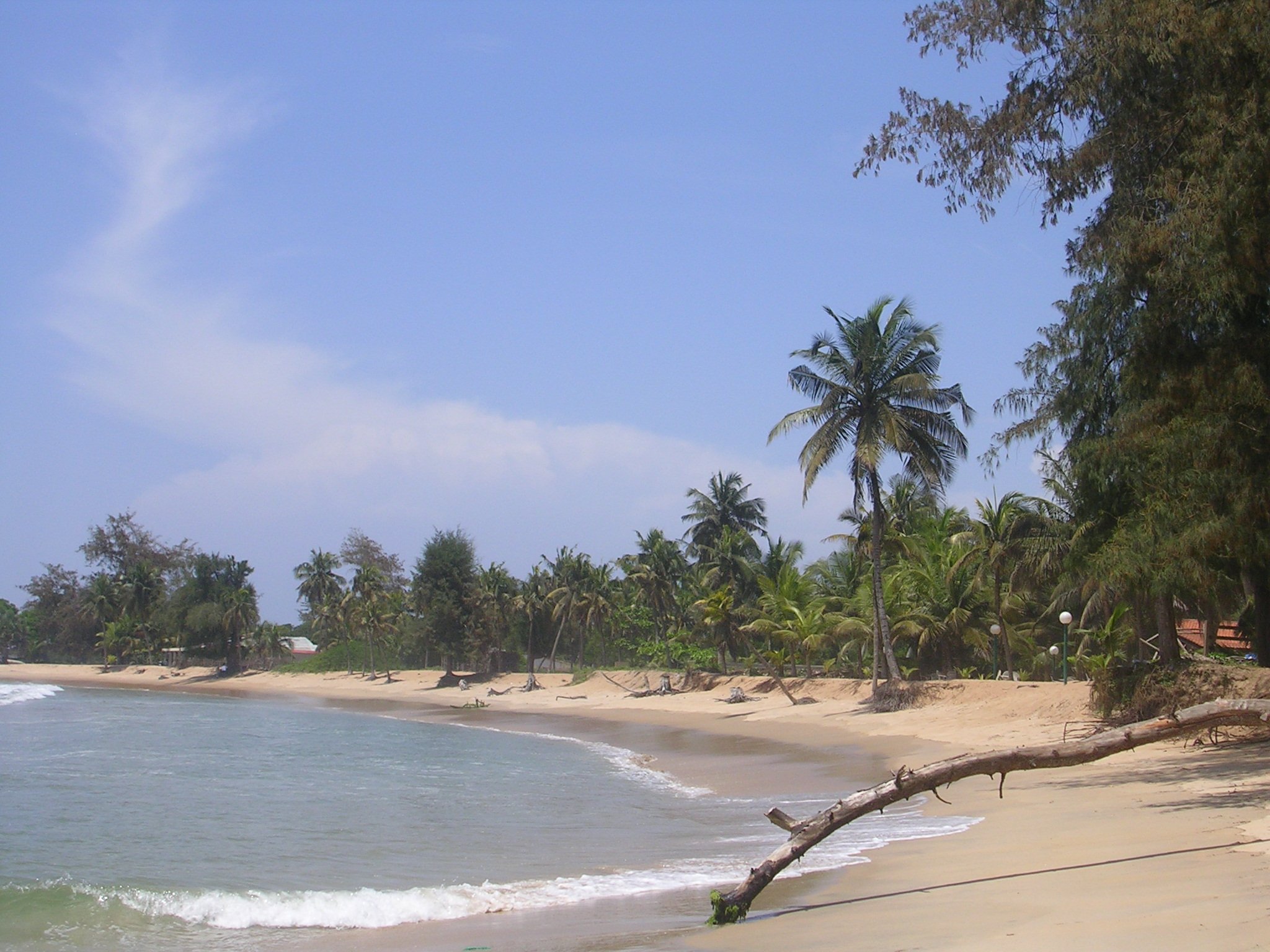
San-Pédro is the second-largest port city in Ivory Coast, a bustling Atlantic town of around 200,000 people on the country's southwestern coast. Built up in the 1970s around a deep-water port to export cocoa, timber, and rubber, it has a more modern feel than many Ivorian cities, with wide boulevards and a grid layout that makes it easy to navigate. The port remains the economic engine, but the real attraction for visitors is the coastline — long stretches of sandy beach fringed by coconut palms, with warm water and relatively few people.

Bali Beach is the most accessible stretch, a few kilometres west of the centre, while the beaches further west toward the Liberian border grow progressively emptier and wilder. Monogaga Beach, to the east, sits within a classified forest and has a lagoon backing the shore. The city itself has a lively Grand Marché and a handful of maquis — open-air restaurants — where you can get excellent grilled fish straight off the boats. San-Pédro is also a reasonable base for exploring the nearby Taï National Park, one of the last major tracts of primary rainforest in West Africa and a UNESCO World Heritage site, though getting there requires some planning and a guide.

Guide

Eating Out in San-Pédro

San-Pédro's eating scene centres on the maquis — open-air restaurants under corrugated iron roofs or palm thatch that serve grilled fish, chicken, and Ivorian staples like kedjenou (slow-cooked chicken or guinea fowl) and attiéké (fermented cassava couscous). The fish, caught that morning, is the thing to order. Prices are low and the atmosphere is relaxed. A few Lebanese and Chinese restaurants exist in town for variety.

Guide

Getting Around

San-Pédro's town centre is compact and walkable. For the beaches and outlying areas, shared taxis (woro-woro) and motorbike-taxis (gbaka) are the standard options. Agree on the price before getting on — motorbike-taxis are particularly useful for the beach routes where the road conditions deteriorate. Private taxi hire is available for longer trips toward the Liberian border beaches or the Monogaga area; negotiate a rate for the day with the driver.

Guide

Getting There

San-Pédro is around 340km southwest of Abidjan by road — a journey of roughly 5–6 hours by shared taxi or bus. The road through Sassandra and along the coast is scenic but can be slow. Several companies run direct minibus services from Abidjan's Adjamé terminal; book early as services fill up.

San-Pédro Airport (IATA: SPY) has irregular domestic services, though flight frequency and operators change; check current availability closer to your trip. The airport is about 4km from the city centre. There is no rail connection.

From the west, bush taxis run along the coastal route from Tabou near the Liberian border, though this road is rough and journey times variable.

Guide

Things to Do in San-Pédro

San-Pédro's main draw is its coastline — long, palm-lined beaches that are among the most accessible in Ivory Coast. The market in town is good for an hour's wander, and the port offers a gritty, working-city contrast to the beaches. Day trips to Taï National Park and the Monogaga forest area take some organisation but are among the highlights of Ivorian travel.