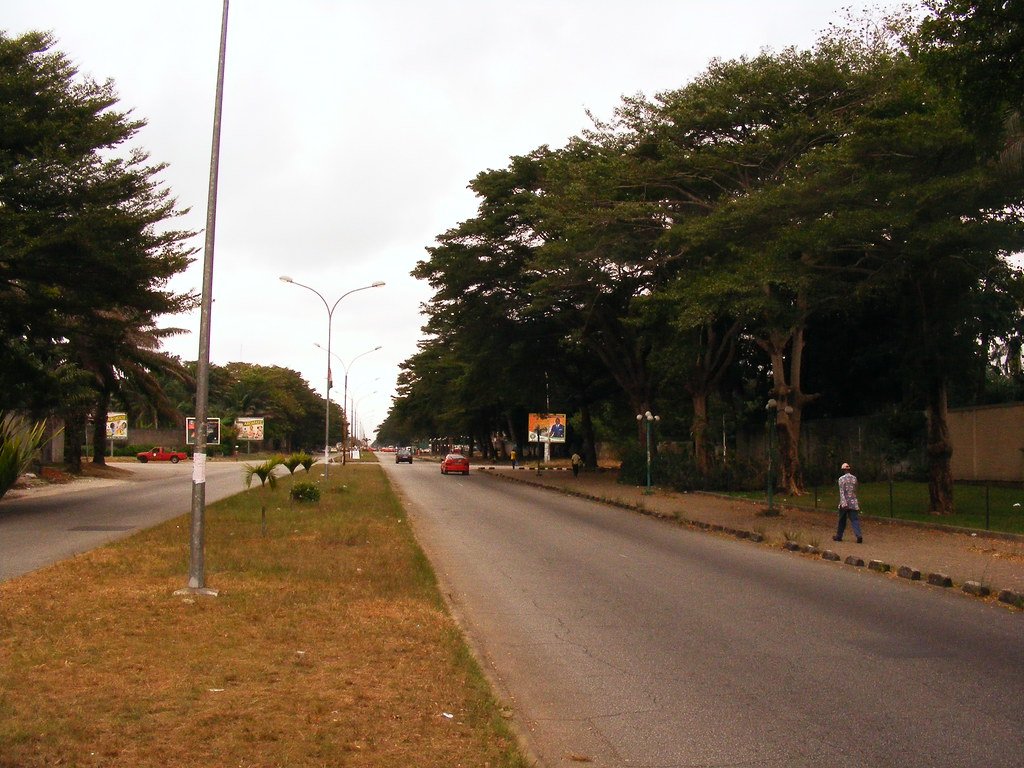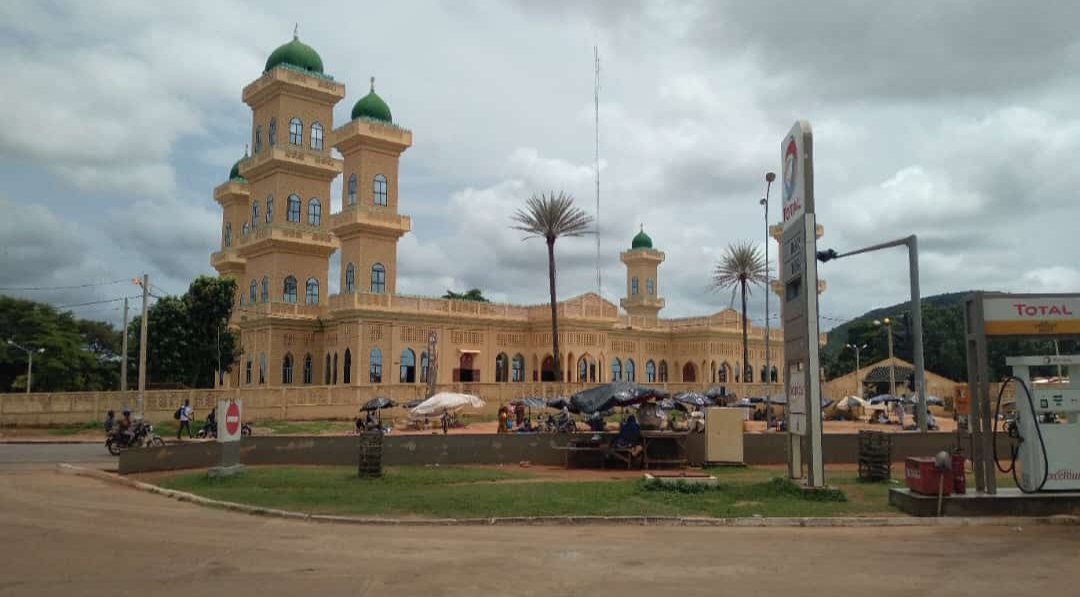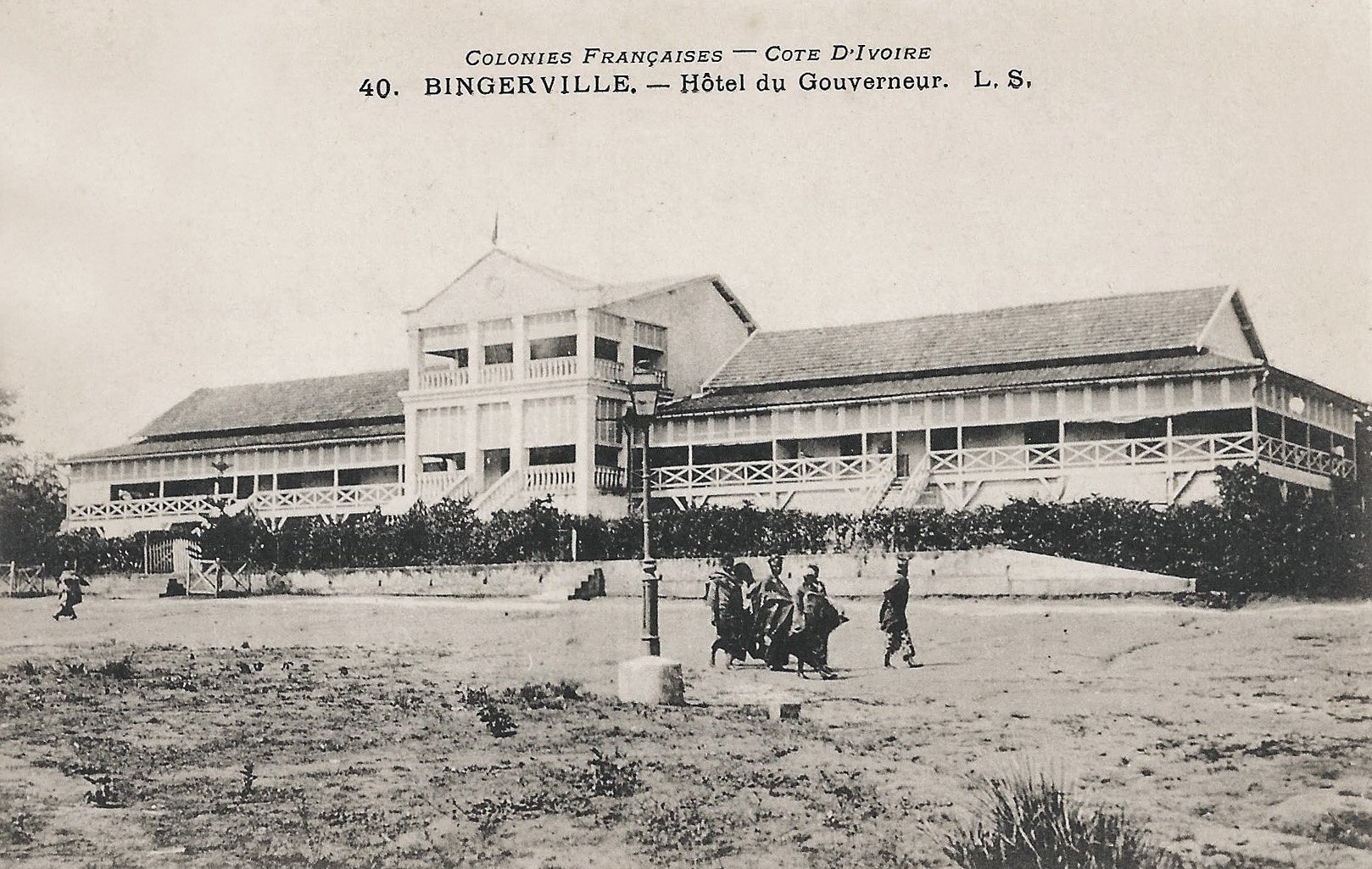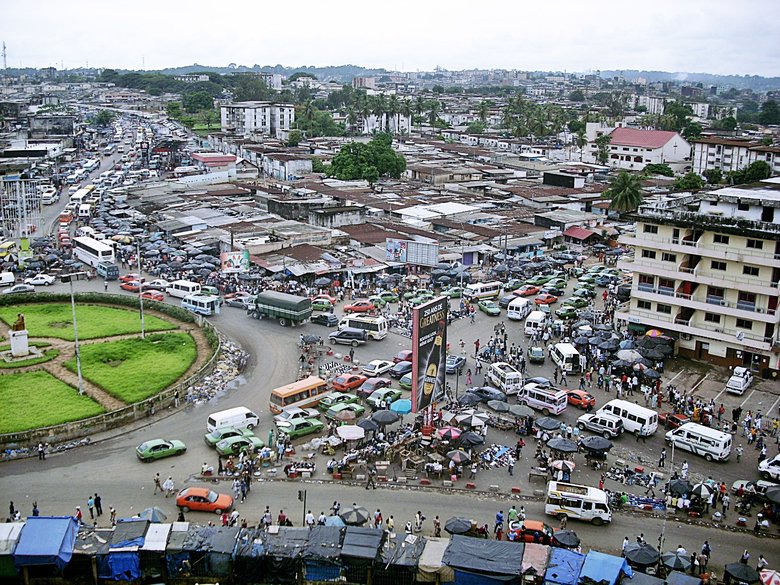
Côte d'Ivoire — usually called Ivory Coast in English — was for decades the economic powerhouse of Francophone West Africa. The cocoa and coffee boom of the 1960s and 70s built roads, hospitals, and a skyline in Abidjan that drew comparisons to Paris. That era ended badly — a period of coups, contested elections, and two civil wars consumed most of the 2000s and early 2010s. The country has since stabilised, and Abidjan in particular has bounced back as one of the most dynamic cities on the continent.
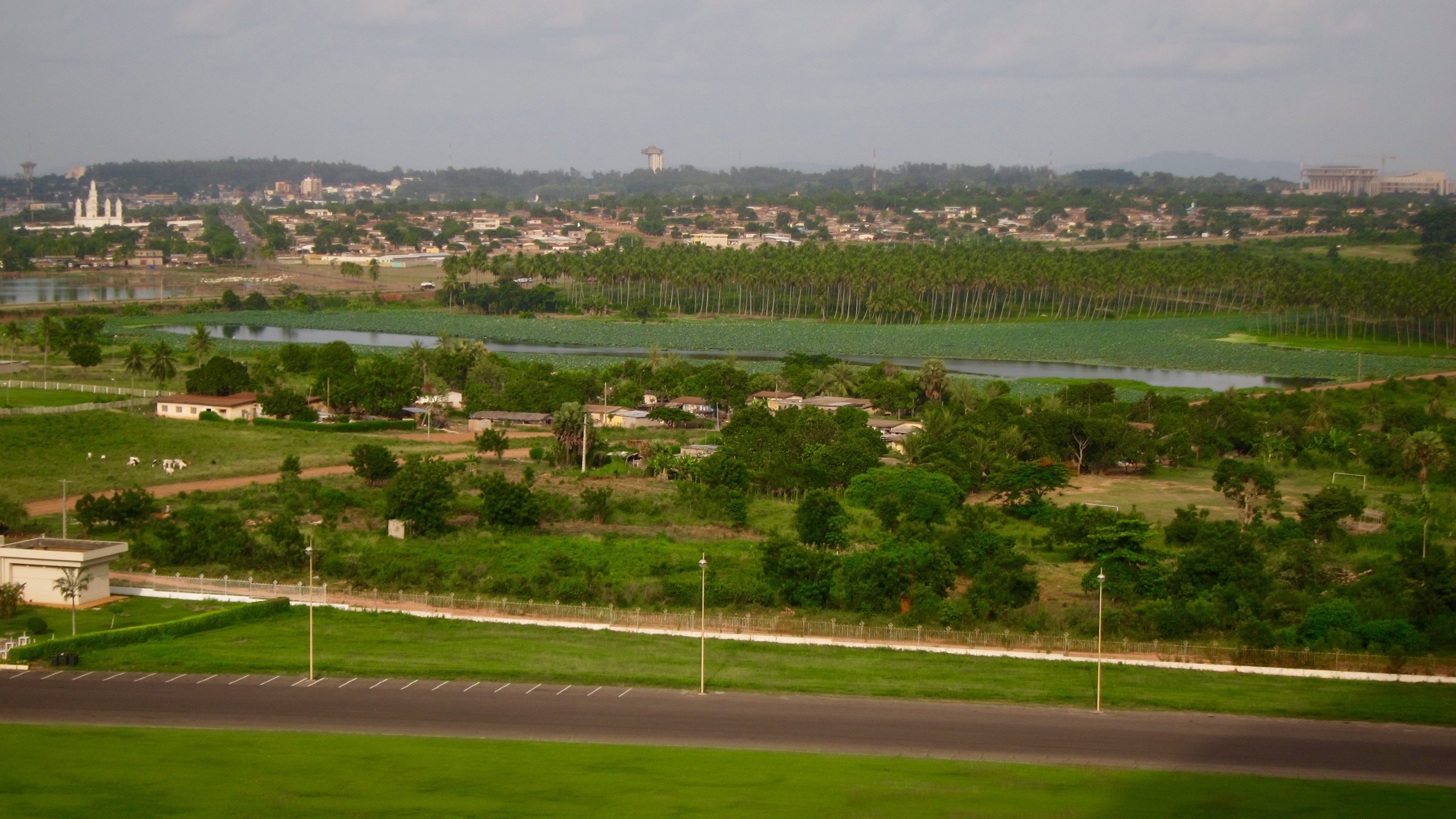
Yamoussoukro is the official capital, declared so in 1983 by President Félix Houphouët-Boigny, who was born there. In practice, Abidjan is where the government, business, and cultural life happen. Yamoussoukro is famous mainly for the extraordinary Basilique de Notre Dame de la Paix, a larger-than-St Peter's cathedral set on the savanna.
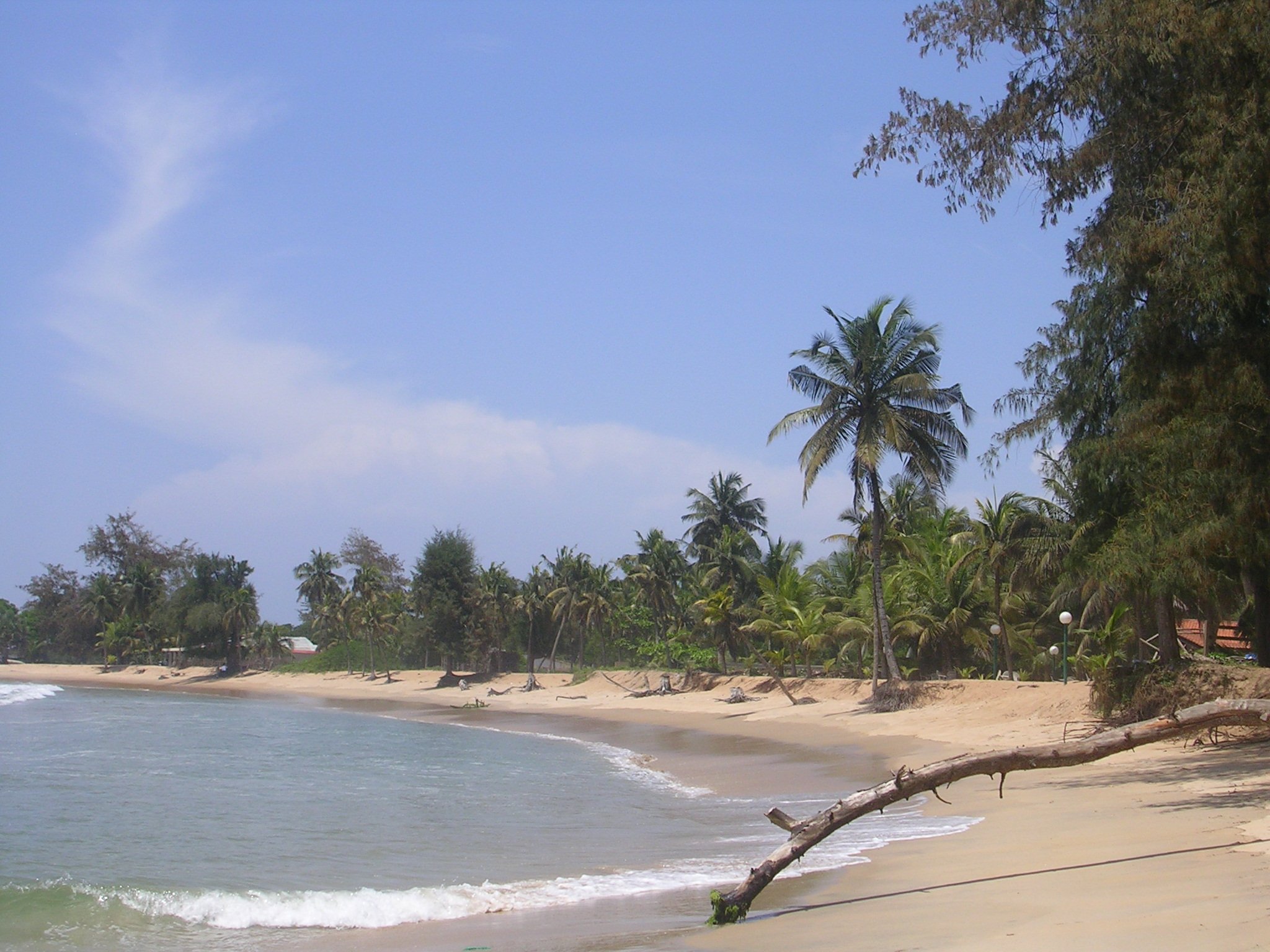
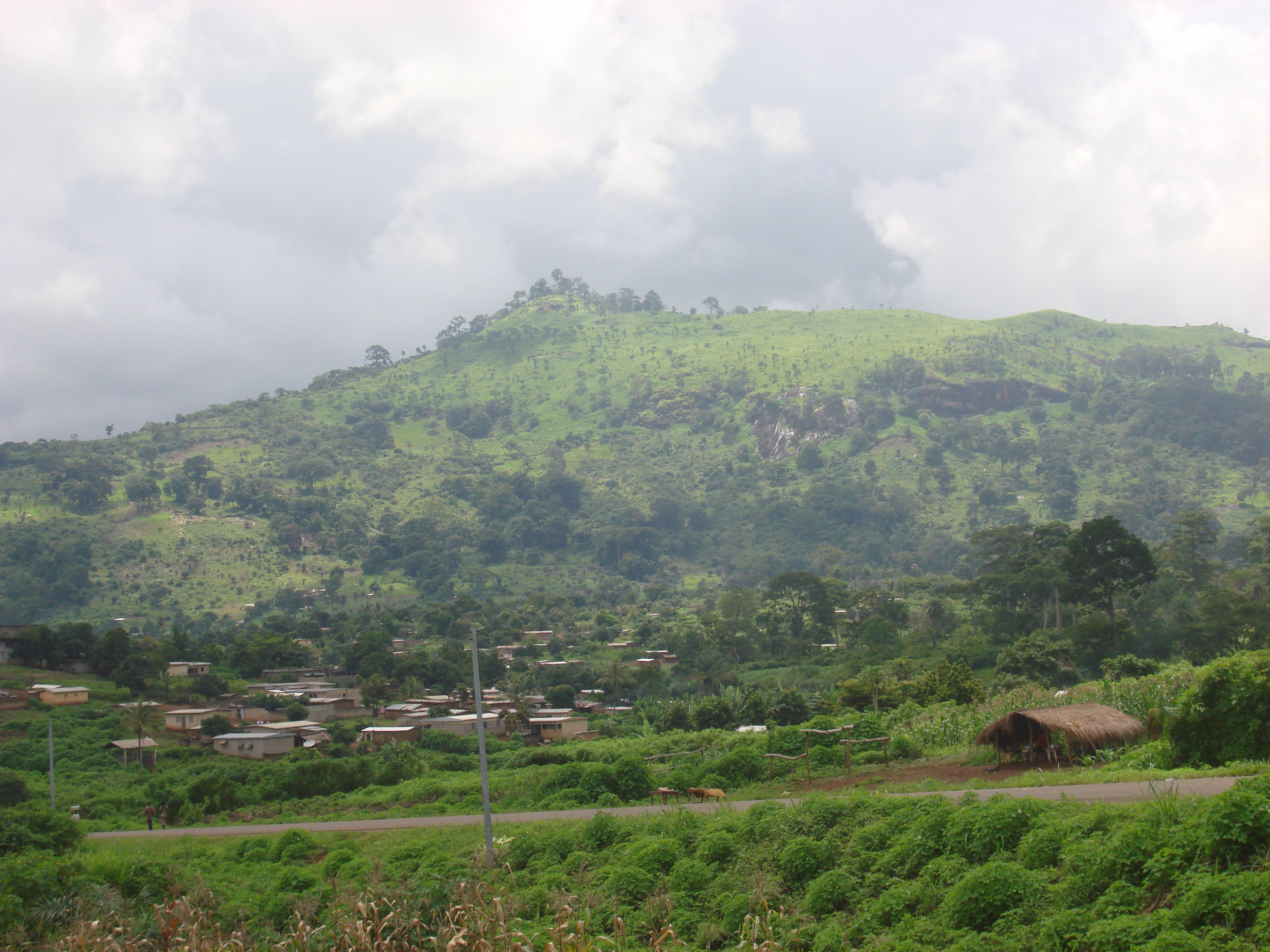
The country borders Liberia and Guinea to the west, Mali and Burkina Faso to the north, and Ghana to the east. The south is Atlantic coastline, backed by lagoons and forest; the interior rises to rolling savanna. In the far west, the hills around Man are the most scenic part of the country — lush, green, and home to Dan (Yacouba) villages that remain largely traditional.
The two national parks — Comoé in the northeast and Taï in the southwest — are UNESCO World Heritage Sites and contain some of the last significant tracts of primary West African forest and savanna.