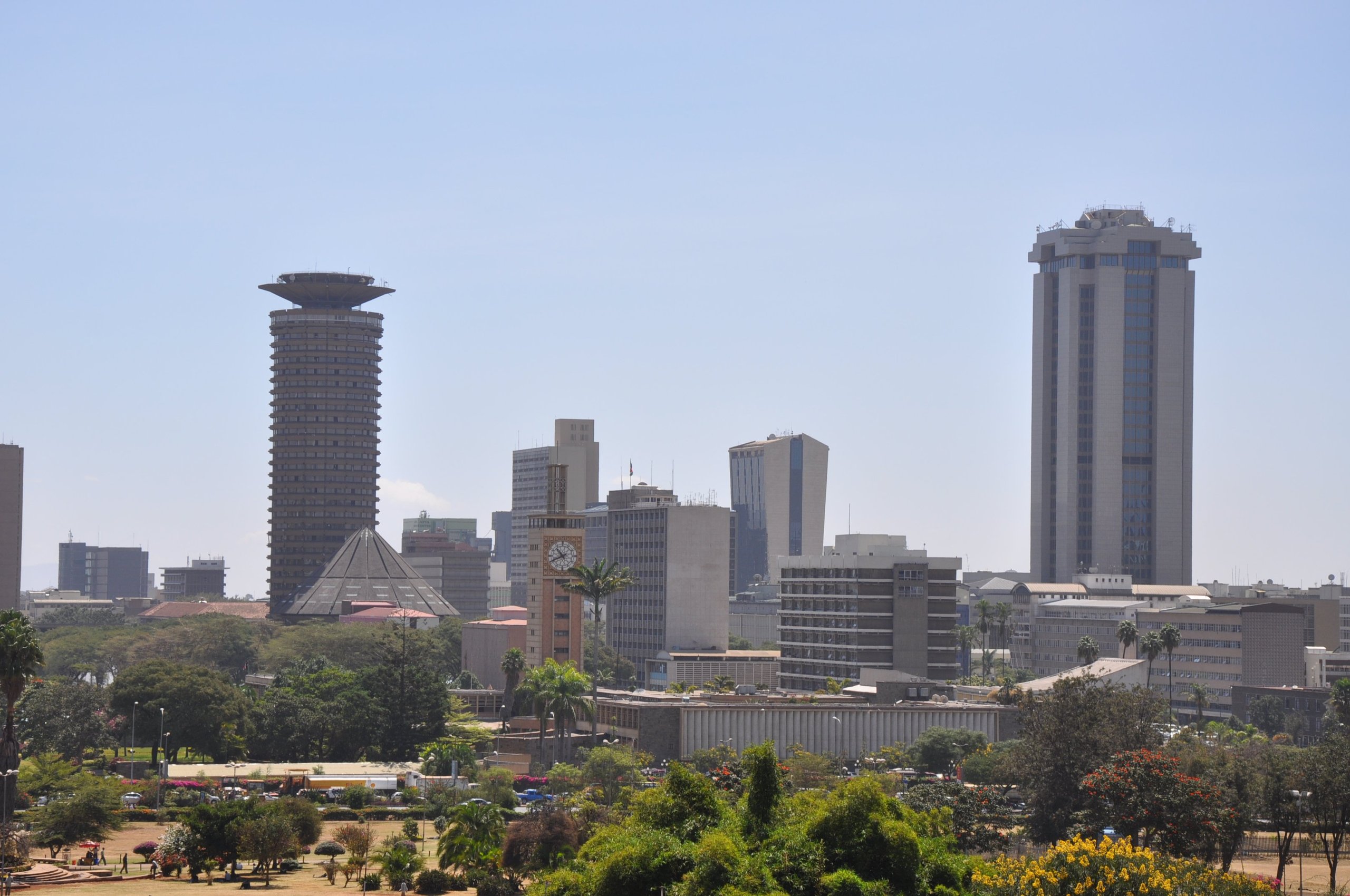
Nairobi is Kenya's capital and the unofficial capital of East Africa — a mile-high city 145 km south of the equator that has grown from an empty patch of swamp at the end of the Uganda Railway in 1899 to a metropolis of nearly five million people. Most travellers pass through on their way to a safari; those who stay a day or two find a livelier, more multicultural city than the reputation suggests, with excellent restaurants, a serious arts and music scene, and something genuinely unusual — a city where lions and rhinos live inside the municipal boundaries.
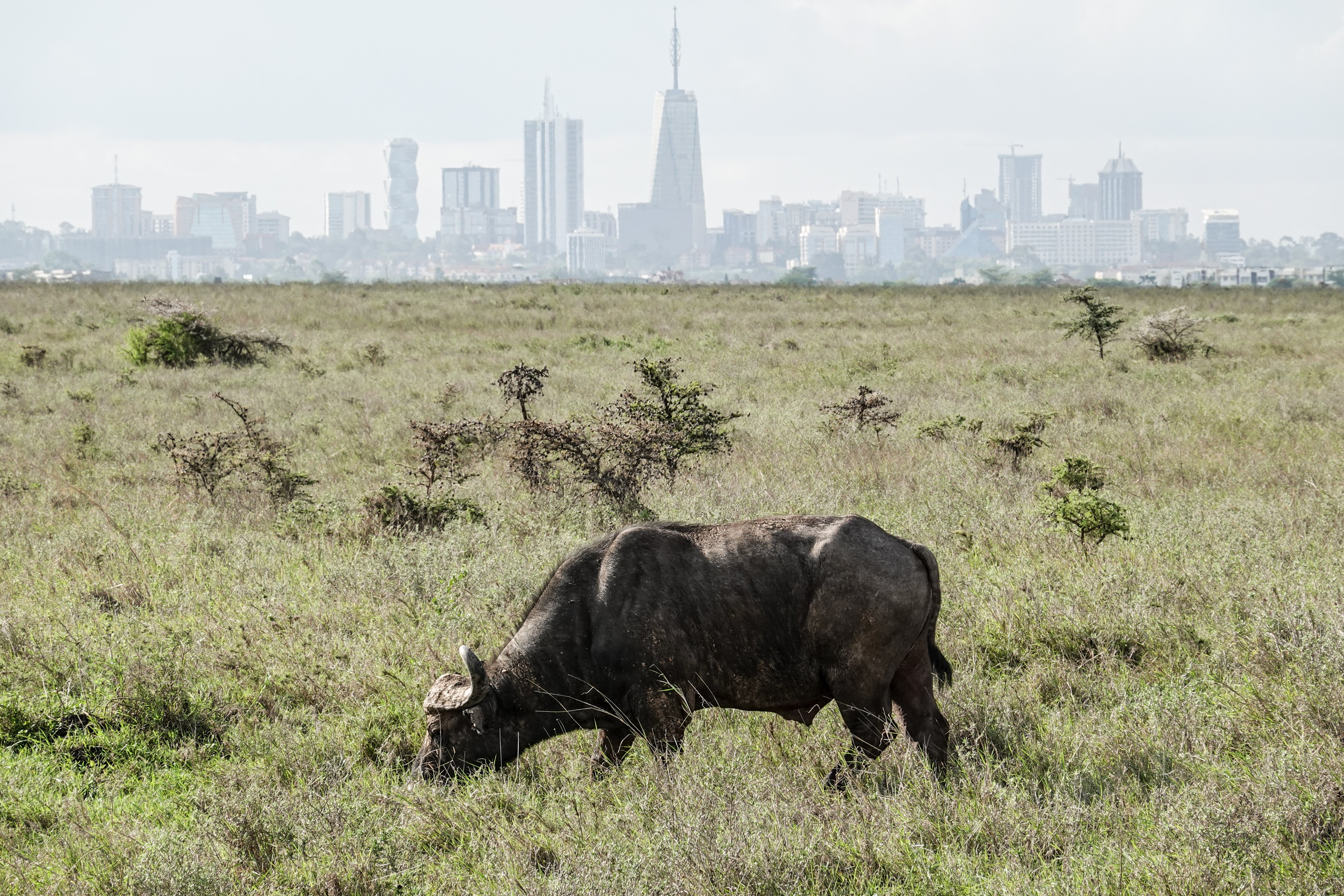
The Nairobi National Park is the only major wildlife reserve inside a capital city anywhere in the world. Lions, giraffes, rhinos, and several hundred bird species live on the plains with the city skyline as backdrop. A half-day safari before your flight out is very feasible. The park shares its grounds with the David Sheldrick Wildlife Trust, which rescues and rehabilitates orphaned elephants and rhinos. The feeding sessions are open to the public for one hour each morning and are worth timing a trip around.
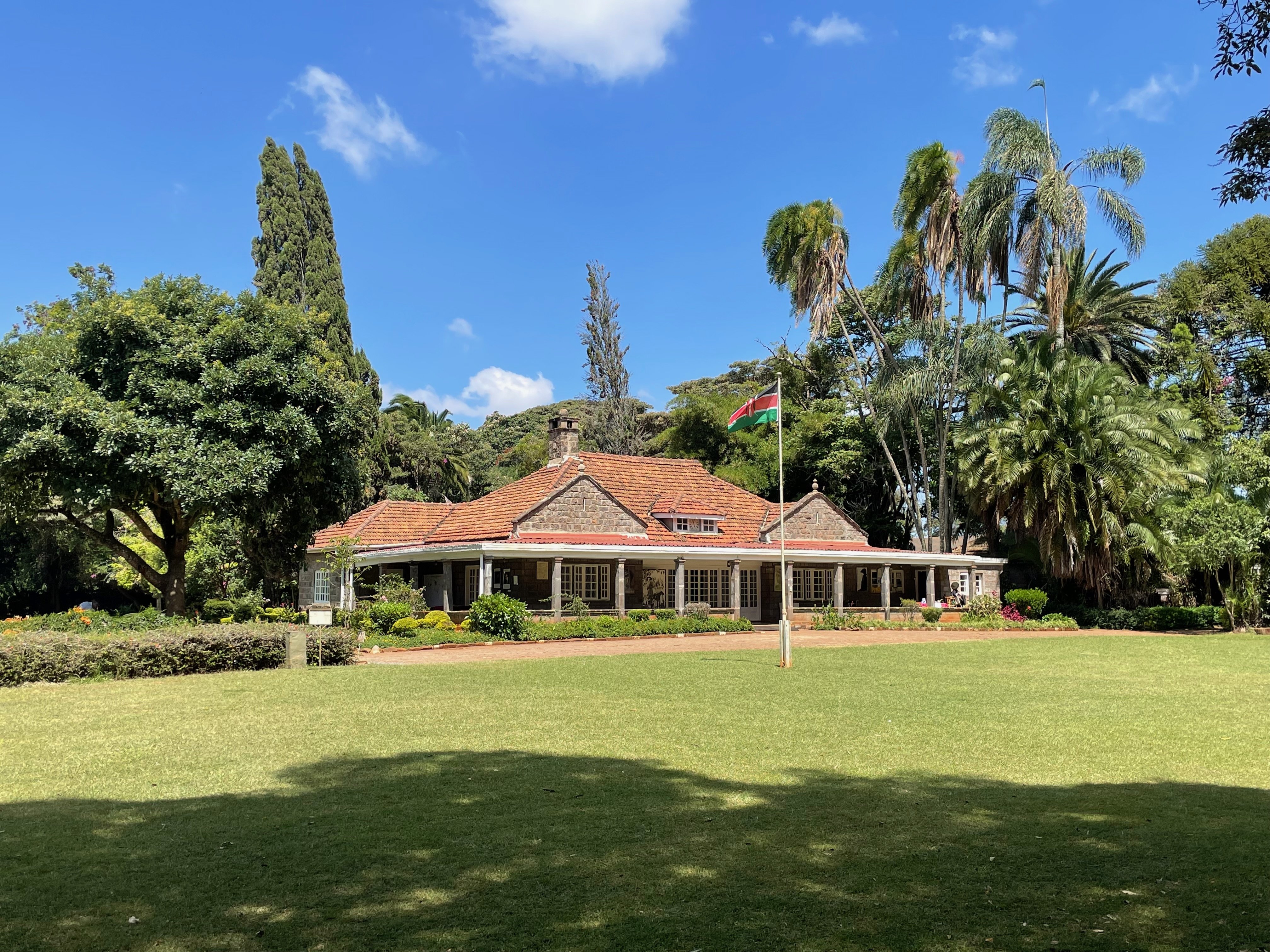
Nearby in the Karen suburb, the Giraffe Centre lets you feed the endangered Rothschild's giraffe from a platform at eye level; the Karen Blixen Museum is the farmhouse where the Danish author (and narrator of Out of Africa) lived from 1917 to 1931. The adjacent Giraffe Manor — a 1930s manor hotel where giraffes join guests for breakfast — is one of the most photographed spots in Kenya. Langata's Bomas of Kenya cultural centre stages traditional dances from Kenya's 42 ethnic communities — a useful crash course in the country's diversity.
In town, the Nairobi National Museum is genuinely worth a morning — the Hominid collection (fossils of Homo habilis, Homo erectus, and the Turkana Boy discovered by the Leakeys) is one of the great scientific collections in Africa. The Railway Museum has atmospheric original rolling stock from the Uganda Railway, including the carriage from which a superintendent was seized by one of the man-eating lions of Tsavo. For contemporary culture, the Kuona Trust Arts Centre and Kitengela Glass — a glass sculpture estate on the southern plains — are both worth seeking out.
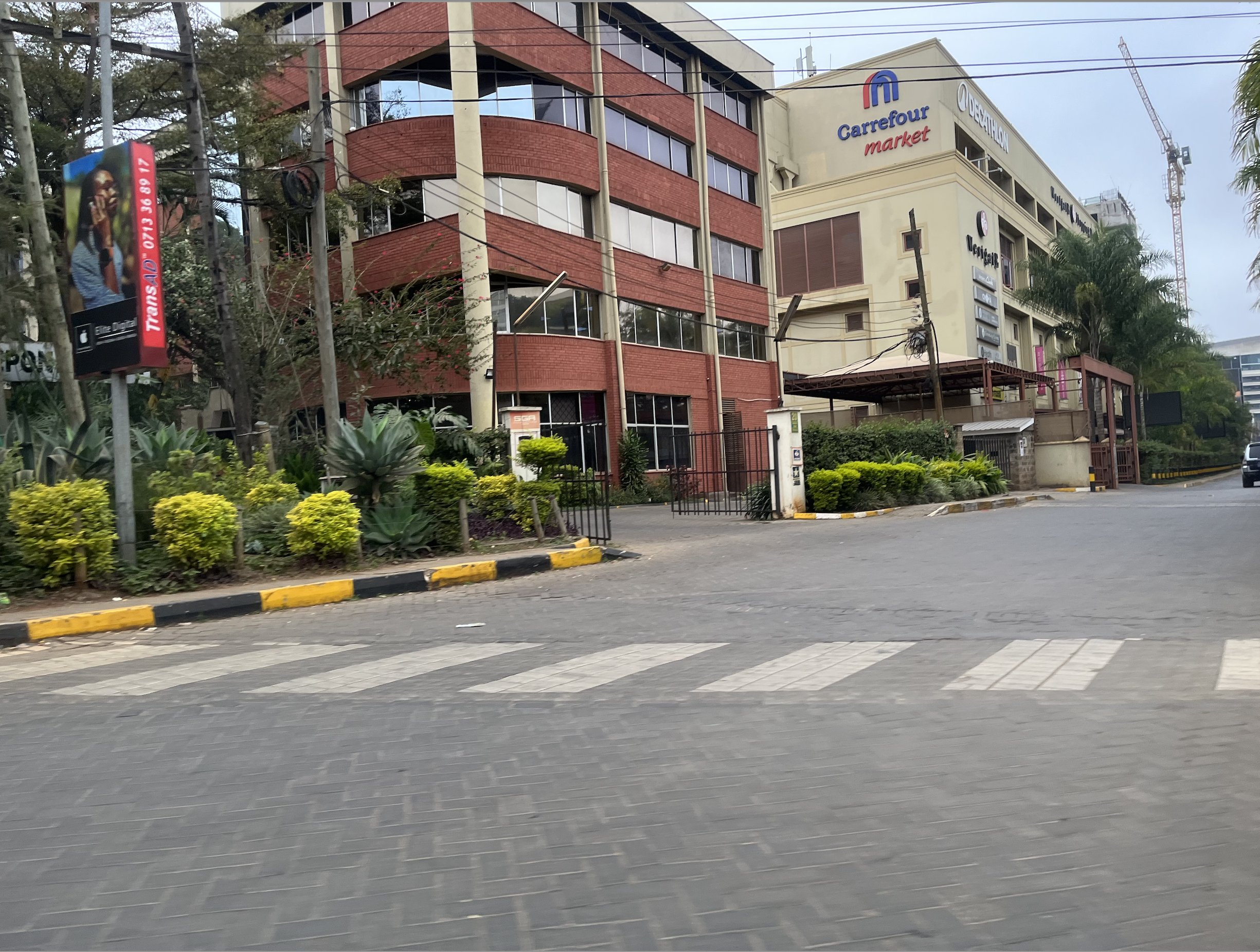
Westlands is where Nairobi's bar and restaurant scene is concentrated; the Carnivore Restaurant in Langata is an institution worth the taxi ride for its sword-skewered meats cooked over open charcoal.
Safety: Nairobi's reputation for crime — the old nickname "Nairobbery" — is not undeserved. Avoid walking alone after dark, especially in the downtown and the River Road area, and use trusted taxis or ride-hailing apps rather than roadside taxis. Daytime in well-trafficked areas (Westlands, Kilimani, Karen, and around the major hotels) is generally safe.
The climate is among the most pleasant of any capital — highland elevation means daytime temperatures are consistently 20–25°C, with long dry seasons from January to February and again from July to October. The rainy seasons (March–May and November–December) still produce sunny mornings.