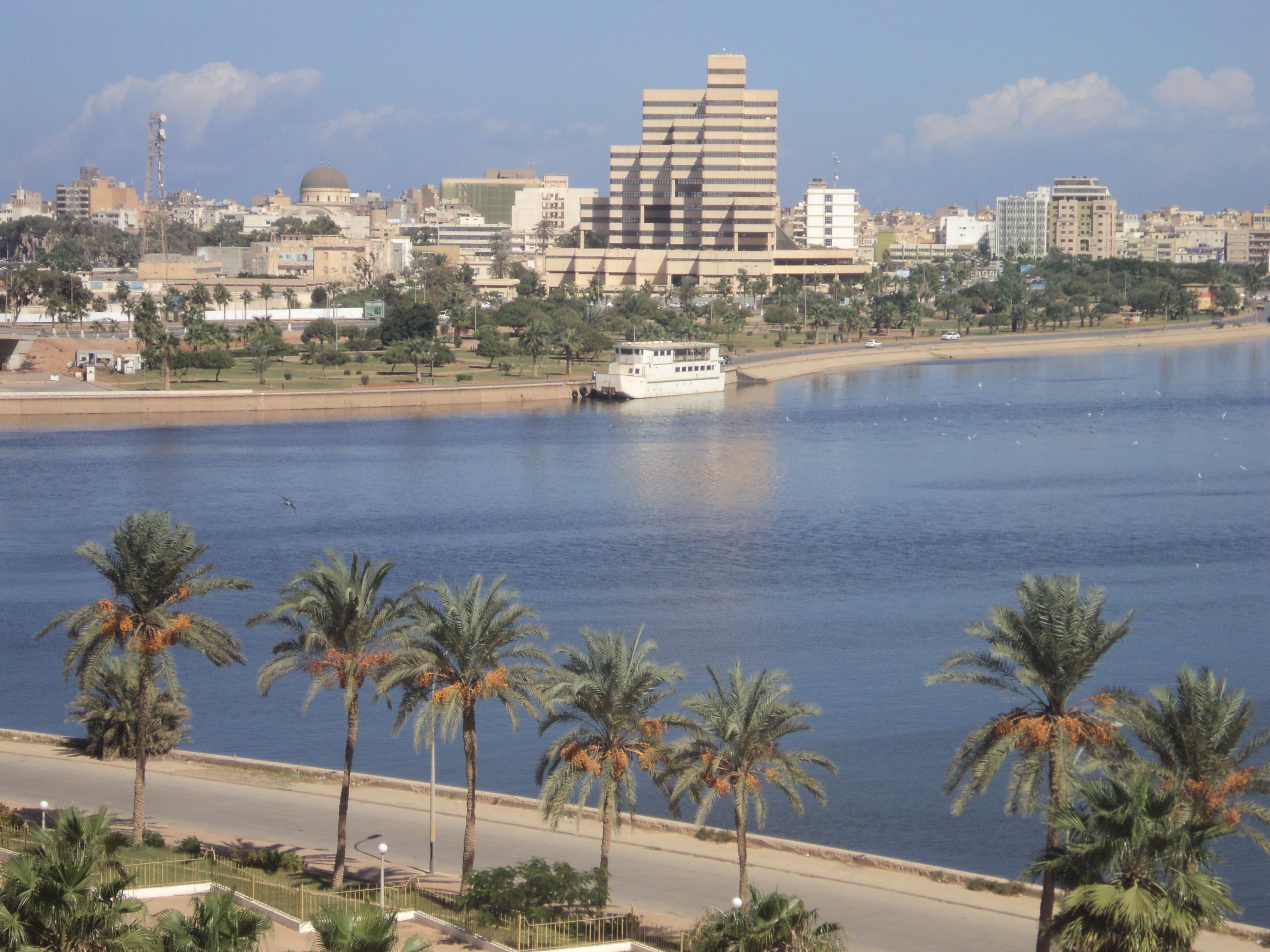
Benghazi is Libya's second city and the capital of the east. It has a different feel from Tripoli — more Middle Eastern in character, more conservative, with its own distinct commercial and political identity. The city sits on the Gulf of Sirte, about 1,000 km east of Tripoli.
The city played a pivotal role in the 2011 revolution, which began here at Maydan al-Shajara, and in subsequent years was the scene of some of Libya's worst post-Gaddafi violence, including the 2012 attack on the US consulate and years of fighting between armed groups and the Libyan National Army. The security situation in Benghazi has been relatively calm since the LNA consolidated control around 2017-2019, but it remains tense and travel here requires careful preparation.
Benghazi's old city still has the 23rd July Lake corniche, the Atiq Mosque, and the Italian colonial cathedral that reflect the city's layered history. The nearby Jebel Akhdar is the gateway to ancient Cyrenaica, with the Greek and Roman cities of Cyrene, Apollonia, and Tolmeitha within a few hours' drive — though access to these sites is subject to security conditions on the ground.