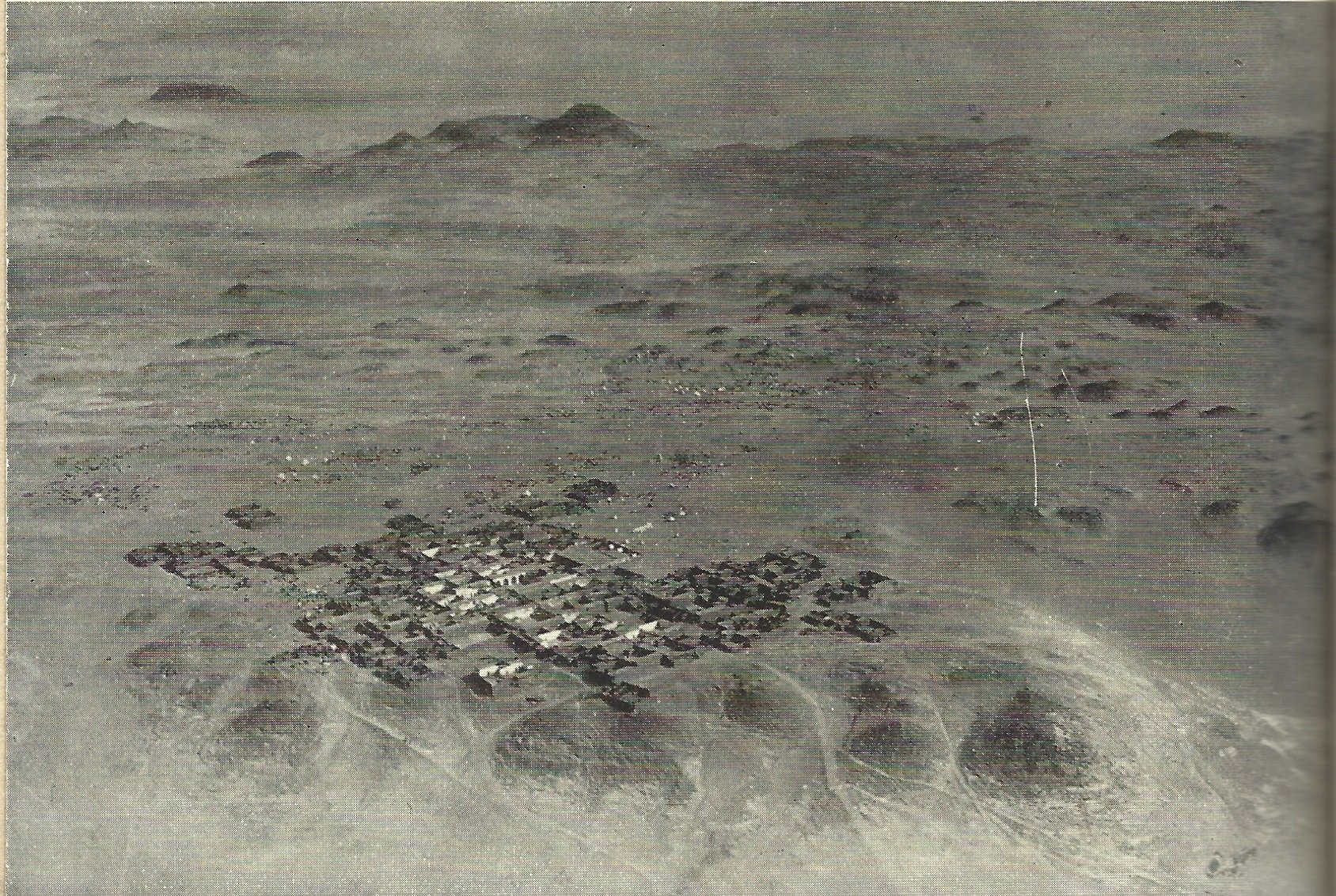
Remote Libyan oasis cluster near Egypt and Sudan, once a Senussi centre on Sahara caravan routes
Kufra is as remote as it gets in Libya — an oasis cluster in the far southeast, near the Egyptian and Sudanese borders, closer to Khartoum than to Tripoli. There are no tourist facilities here, and reaching it requires serious preparation. This is a destination for serious desert travellers, not casual visitors.
The Kufra oasis sits above enormous underground aquifers, part of the Nubian Sandstone Aquifer System, which made it an important stop on trans-Saharan caravan routes for centuries. The Senussi religious order established a major zawiya (lodge) here in the 19th century, making Kufra a political and spiritual centre for much of the central Sahara. Italian forces didn't capture it until 1931 — among the last places in Libya to fall to colonial conquest. The Great Man-Made River project was designed to pipe the fossil water north to the coast; construction began under Gaddafi and partially functions, though conflict-related disruption has slowed it significantly.
Beyond the oasis itself, the Rebiana Sand Sea stretches north and west — one of the largest ergs in the Sahara, and the reason the oasis exists as an island of green in an otherwise impassable landscape. Kufra was historically a starting point for trans-Saharan crossings south to Chad; that route remains extremely difficult and demands specialist logistics and current security knowledge.
Guide
Getting There
Getting to Kufra is genuinely difficult and requires careful planning. The distance from Benghazi — the nearest major city — is over 1,200 km across desert. There are no scheduled commercial flights to Kufra from outside Libya, and the road is an unpaved desert track that demands serious 4WD vehicles, fuel redundancy, and desert navigation skills.
Historically, the only viable access for independent travellers was by air charter from Benghazi or Sebha, combined with current security clearances. Libya's political instability since 2011 has made the region more complex to access. As of recent years, Kufra has been under the control of armed groups aligned with the Benghazi-based government, and any visit requires coordination with local authorities and current intelligence about the security situation.
Do not attempt to reach Kufra without thorough preparation and up-to-date advice from people with recent first-hand knowledge of the area. Check your government's travel advisories before making any plans.
Guide
When to Go
If you are planning a visit, November through February is the only sensible window. Saharan summer temperatures in Kufra regularly exceed 45°C (113°F), and midday heat makes outdoor activity dangerous. Winter nights can drop near freezing, but the days are clear and manageable — typically 20–25°C.
Spring and autumn are transitional and can bring sandstorms, particularly in March and April when the ghibli wind blows north from the Sahara. These storms can ground aircraft and halt vehicle movement for days. Plan for delays regardless of when you travel.