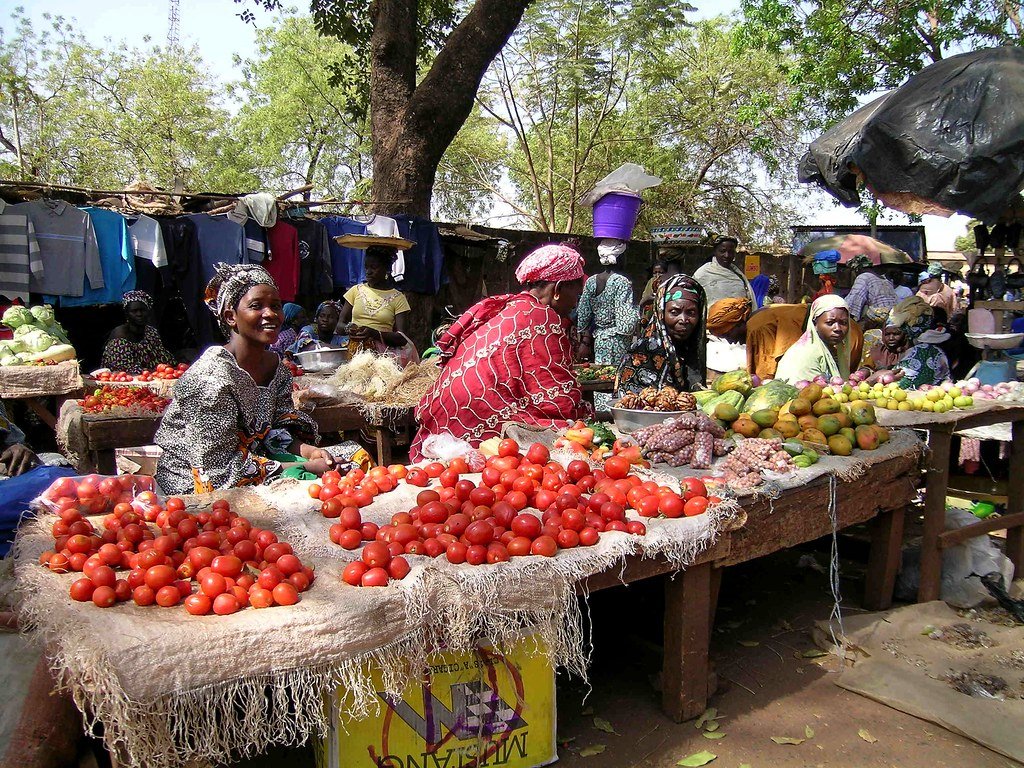
Southern Malian city in green border country, anchored by Kénédougou walls and a busy regional market
Sikasso is Mali's second-largest city, in the far south near the borders with Burkina Faso and Côte d'Ivoire. It sits in one of the greenest parts of Mali — the Sikasso region is relatively wet by Sahelian standards and produces mangoes, cotton, and vegetables.
The city was the capital of the Kénédougou Kingdom, which was one of the last to resist French colonial conquest; the ruins of the old city walls (tata) are still visible, and the Mamelon — the artificial mound built as the royal seat — still anchors the city centre. Market day at the Grand Marché draws traders from across the border region. Outside town, the Missirikoro grotto is a striking sacred cave shared by Muslims, Christians, and animists.
Sikasso is usually reached from Bamako by road (around 375 km south), and can be a staging point for crossing into Burkina Faso. Security in the border area has deteriorated in recent years as violence has spread south from the Sahel.
Guide
Eating Out
Sikasso's food reflects its position on the wetter, greener edge of Mali — more vegetables, more fruit, and a heavy use of peanut and dah (sorrel leaf) sauces. The local mango is the best in the country; in season (March–May) it is sold by the bucket for less than the price of a coffee.
Look for tô, the millet polenta eaten with a sauce of okra or dah, at any roadside woman's stall. Grilled chicken with attiéké (cassava couscous from Côte d'Ivoire) is everywhere along the southern road. For sit-down meals, the small restaurants around the centre and on the road to the Mamelon serve standard Malian fare — riz au gras, capitaine fish from the Niger, mafé with peanut sauce. The hotel restaurants offer simple European cooking at higher prices.
Guide
Getting There
Sikasso sits on the main paved road from Bamako south to the borders with Burkina Faso and Côte d'Ivoire — the only realistic axis of approach. The 375 km drive from Bamako takes six to eight hours by bush taxi or bus; Bani Transport and other Malian companies run daily services.
From the south, Sikasso is the first major Malian town reached from Bobo-Dioulasso in Burkina Faso (around 200 km) and from Korhogo in Côte d'Ivoire. The border crossings are open but slow; security in the wider region has deteriorated, and overland travel into Mali is no longer the routine option it once was. Check current government travel advice before setting out.
Guide
When to Go
Sikasso is significantly wetter than the rest of Mali, with a real rainy season from June to September that can leave the rural roads muddy and the unpaved tracks impassable. The best months to visit are November to February, when the harmattan haze settles in but the days are dry and cool by Sahelian standards (around 30°C at midday, much cooler at night).
March to May is mango season — worth timing for if you don't mind the heat, which climbs above 40°C. Avoid August in particular, when rain is heaviest and many side roads turn to clay. Note that the security situation in southern Mali has deteriorated in recent years; check current advice before travelling.