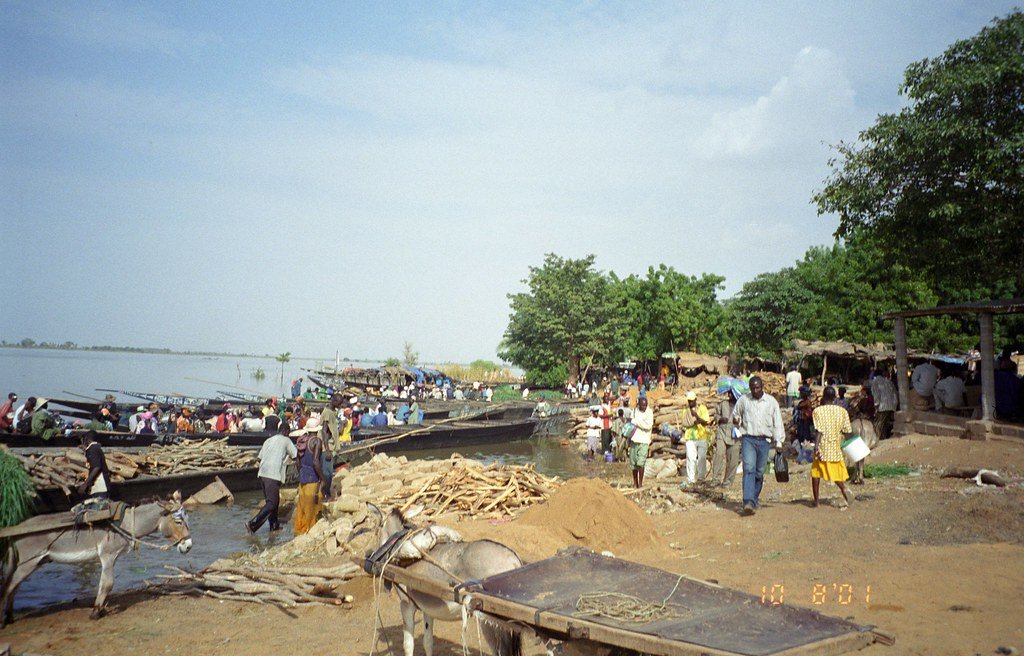
Niger River city and historic Bambara capital known for woven textiles and slow riverfront life.
Segou is the historic capital of the Bambara people, a calm, tree-lined city of about 65,000 on the banks of the Niger River, some 235 kilometres northeast of Bamako. After the dust and congestion of the capital, Segou feels like a deep breath — wide streets, friendly people, and a pace of life that invites you to slow down.
The city is best known through Maryse Condé's historical novel Segu, which chronicles the Bambara kingdom. The remains of Mbella, the ancient Bambara capital, lie nearby. Monday is market day at the Grand Marché, and it is the best time to find the bright hand-woven fabrics for which Segou is famous. The Nieli Rug Cooperative lets you buy those fabrics directly from the weavers who make them.
The Niger River bank is the heart of the city's daily life — pirogues, fishermen, and the extraordinary light on the water at sunset. The pottery villages south of town produce distinctive red-brown ceramics using techniques unchanged for generations. A rewarding day trip runs to Niono, locally known as the Venice of Mali, whose mud mosque rivals the more famous one in Djenné.
Guide
Books
Segu by Maryse Condé (1984) is the novel most closely associated with the city. Set in the late 18th century, it follows several generations of a Bambara family through the period of Islamic jihad, slave trading, and the collapse of the Bambara kingdom. Condé — a Guadeloupean writer — spent years researching the history of Segou, and the novel brings the ancient capital vividly to life. It is one of the most important novels to come out of the francophone African literary tradition.
Travelling the Sahara and the broader genre of West Africa travel literature that covers Mali tends to position Segou as the river city before the harder road north to Djenné and Mopti. Ryszard Kapuściński's essays on West Africa touch on the region's rhythms and landscapes in ways that are helpful context before or after a visit.
Guide
When to Go
The best time to visit Segou is November to February, during the cool dry season. Temperatures are comfortable — days around 30°C, nights cool — and the harmattan wind, while occasionally dusty, is manageable. This is high season for Mali tourism generally, and the Monday markets and river traffic at Segou are at their most active.
March to May brings increasing heat, reaching 40°C or above. June to October is the rainy season: roads can flood, the Niger rises dramatically, and travel becomes harder. That said, the river in flood is a remarkable sight, and Segou in the wet season has a lush intensity quite different from the parched dry-season landscape. The Festival sur le Niger, an internationally recognised music and arts festival centred on Segou, takes place in February and is worth timing a trip around if you can manage it.