Calabar is a tropical river port in the far south-east of Nigeria, sitting on a ridge above the Calabar River just upstream of the Bight of Biafra. It is by some margin the most pleasant city in Nigeria — green, well-laid-out, cleaner and safer than most of the country, and with a long history as a trading centre stretching back to the 15th century, when Portuguese traders first arrived here. In the 19th century it was the headquarters of the British Niger Coast Protectorate and a major embarkation point for the Atlantic slave trade — an estimated 200,000 enslaved Africans passed through this port. Presbyterian missionaries, most famously the Scot Mary Slessor, arrived in the 1870s and eventually helped put a stop to it.
The best part of town is Duke Town and the neighbouring Henshaw Town, where colonial-era buildings, the old Presbyterian church, and tin-roofed Efik houses look down onto the river. The Old Residency Museum, housed in a prefabricated 19th-century building shipped out from Scotland in pieces, has excellent exhibits on the slave trade, the palm-oil trade, and the colonial period. Down at Marina Beach, the Slave History Museum stands on the actual site of a former slave-holding barracoon — one of the most affecting memorials in West Africa. Mary Slessor's grave and memorial are nearby, on the hillside cemetery above Duke Town.
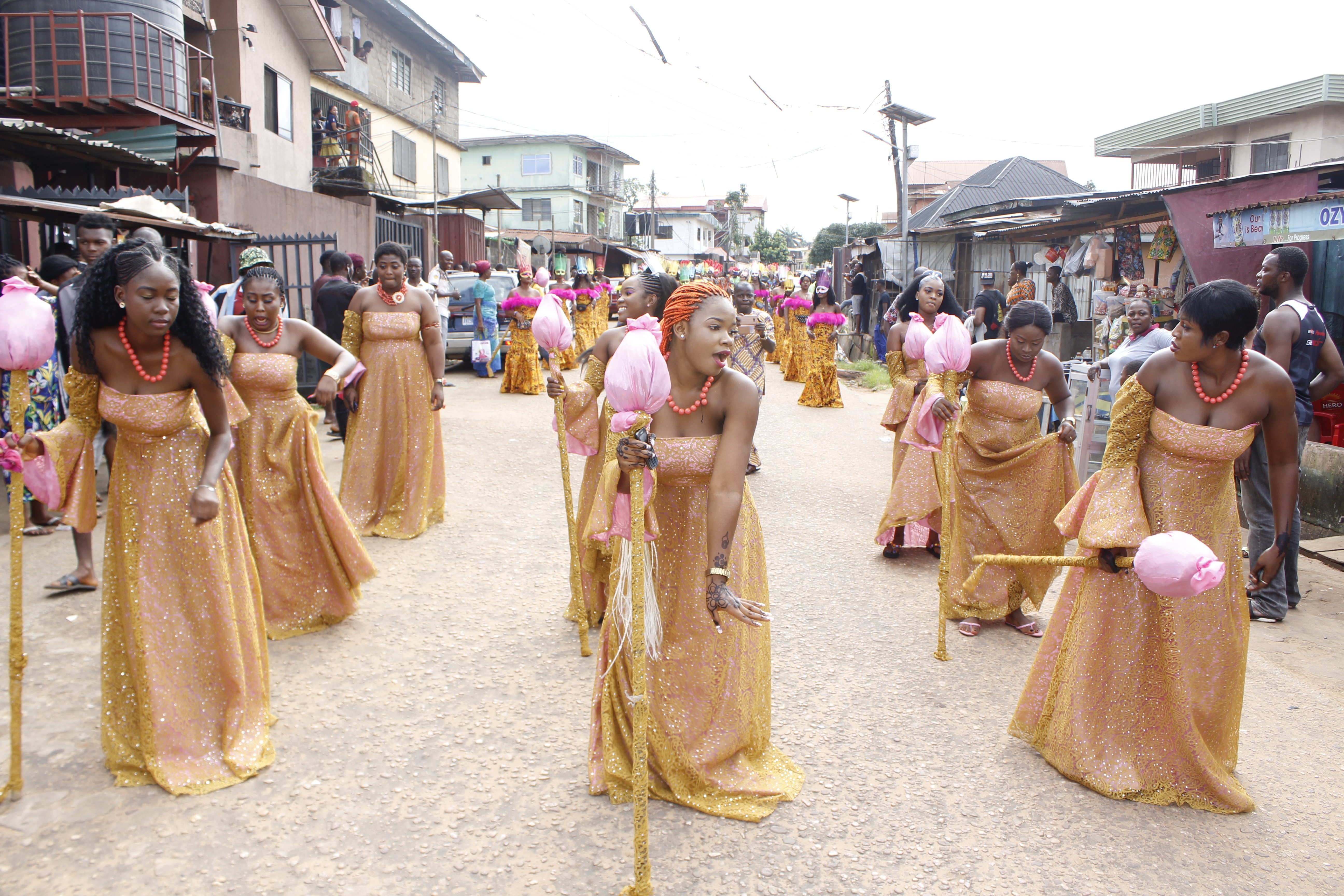
On the outskirts, the Drill Ranch, run by the Pandrillus conservation foundation, rehabilitates rescued drills — one of the most endangered primates in Africa — and accepts visitors. The Calabar Carnival, held every December, bills itself as "Africa's biggest street party" and draws hundreds of thousands of visitors in a week-long explosion of parades, costume bands, and music. For the adventurous, Calabar is also the gateway to Cross River National Park — one of the last strongholds of the Cross River gorilla, the world's rarest great ape — reached via Ikom, three to four hours inland.