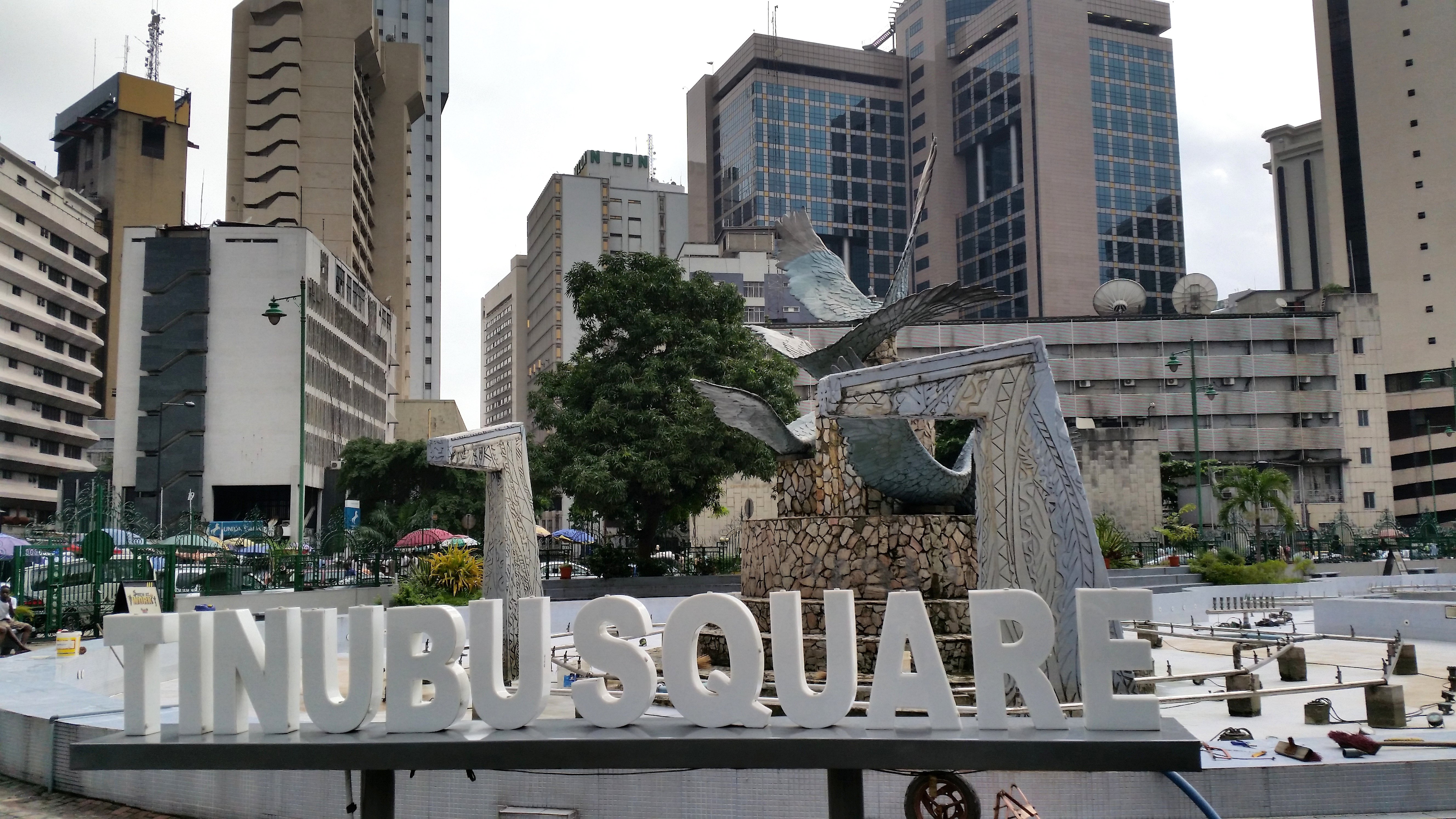
Lagos is one of the fastest-growing cities in the world — some 21 million people now, give or take a few million nobody is sure about — and easily the most exhausting. It sprawls across islands and lagoons at the mouth of the Ogun River, a commercial engine that runs on traffic jams, generator fumes, Nollywood, and Afrobeats. You do not come here for ease. You come because it is the closest thing Africa has to a New York, and because the energy, music, food, and hustle of the place are unlike anywhere else.
Most visitors stay on Victoria Island or Ikoyi, the gated green islands where the embassies and expat hotels are. Lagos Island, just across the bridge, is the old business and trading heart; Marina and Broad Street still have the old colonial buildings, though most visitors find the density and hustle too intense without a guide. Lekki, further east, is the newer upmarket strip.
The city is not really about sights. The Nigerian National Museum on Lagos Island has a decent collection of bronzes and masks. The Nike Art Gallery in Lekki is the best place to see contemporary Nigerian art. The Lekki Conservation Centre has a canopy walkway through swamp forest. Bar Beach and the beaches east at Tarkwa Bay (ferry only) and Lekki are the local escape on weekends.
What Lagos really does better than anywhere in Africa is nightlife and live music. The Shrine in Ikeja, the venue run by Femi and Yeni Kuti in memory of their father Fela, is the single best club experience on the continent. The Kalakuta Republic Museum next door preserves Fela's last house. Freedom Park on Lagos Island hosts regular concerts in a former colonial prison. Ask, go late, stay later.
A note on Lagos traffic: plan for hours on the road. A driver and decent air conditioning change the experience entirely.