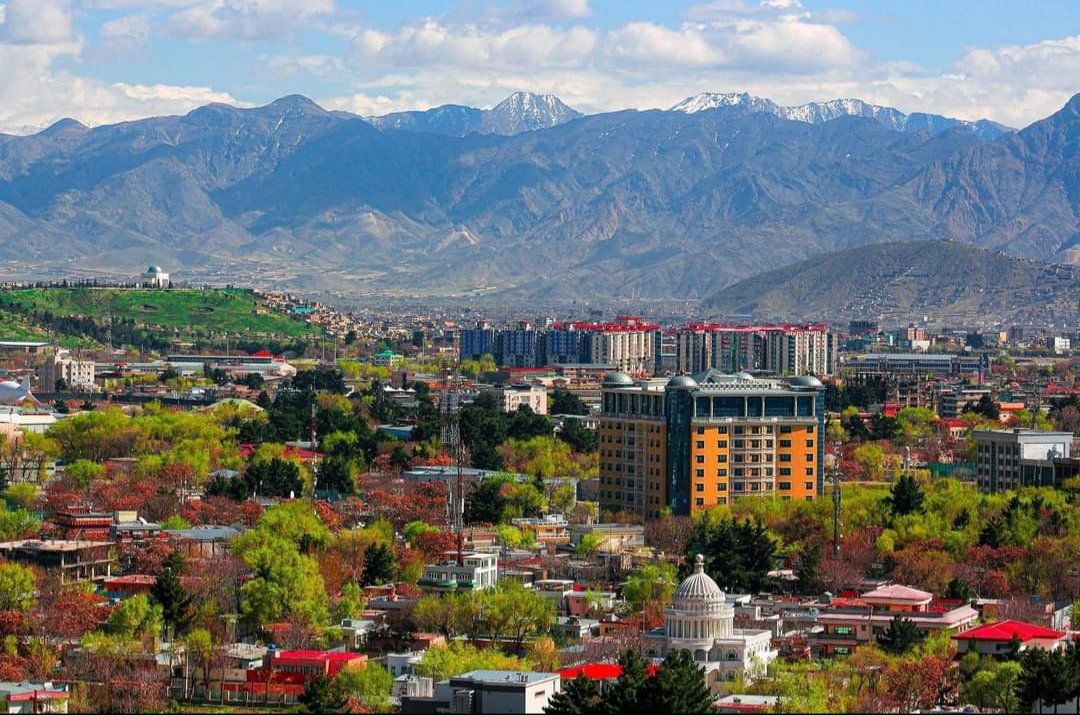
Kabul is the capital of Afghanistan, a city of over four million people in a high mountain valley at about 1,790 metres, ringed by the snow-capped Hindu Kush. It has been destroyed and rebuilt more often than almost any capital in Asia — by Genghis Khan, by the British in 1842, by civil war in the 1990s, and most recently by the forty years of conflict that began with the Soviet invasion in 1979 and ended with the Taliban's return to power in August 2021. What survives is a city of mudbrick neighbourhoods climbing the hills, bazaars, a handful of important historic sites, and the long shadow of everything that has happened here.
Before you think about going: Afghanistan under the Taliban is extremely difficult to visit. Most Western governments strongly advise against any travel to the country; tourist visas are issued sporadically through friendly embassies; there are severe restrictions on the movement, dress and behaviour of women (including foreigners); and the security situation can change without warning. The practical travellers who do go today come almost exclusively on organised tours with specialist Afghan operators, or as journalists and aid workers.
For those who do make it, the traditional Kabul sights remain. The Kabul Museum, looted and burned during the civil war and painstakingly rebuilt in the 2000s, once held one of the most important pre-Islamic collections in Asia; much of what survived is again on display. Babur's Gardens (Bagh-e Babur), laid out in the early 16th century by the founder of the Mughal dynasty and restored by the Aga Khan Trust for Culture in the 2000s, are the most peaceful place in the city and hold the tomb of Babur himself. The Bala Hissar fortress dominates the old town; Chicken Street (once a famous expat shopping strip) is still the place for carpets, antiques, and lapis lazuli, though it is much quieter than it was. The Shah-e Doh Shamshira mosque and the old Mausoleum of Timur Shah on Jadayi Maiwand are worth a detour. Beyond the city, the Valley of Paghman to the west was the traditional summer escape for Kabulis and can still be visited when conditions allow.
Kabul food is, at its best, very good — mantu dumplings, kebabs, ash soups, saffron rice with lamb, and the famously fragrant Afghan bread. Restaurants today are almost all simple local places serving local people rather than the international circuit that existed during the Republic years. Dress conservatively, travel with an experienced local guide, and check travel advisories right up to the day you leave.