Maimana
©
Maimana

Maimana

Faryab provincial capital in northwestern Afghanistan, set in a fertile valley known for carpet weaving

Maimana (also spelled Maymana) is the capital of Faryab Province in northwestern Afghanistan, a predominantly Uzbek and Turkmen city set in a fertile valley between dry hills. It sits well off the main routes through the country and is rarely visited by outsiders, which gives it a character untouched by the tourism infrastructure found elsewhere in Afghanistan.

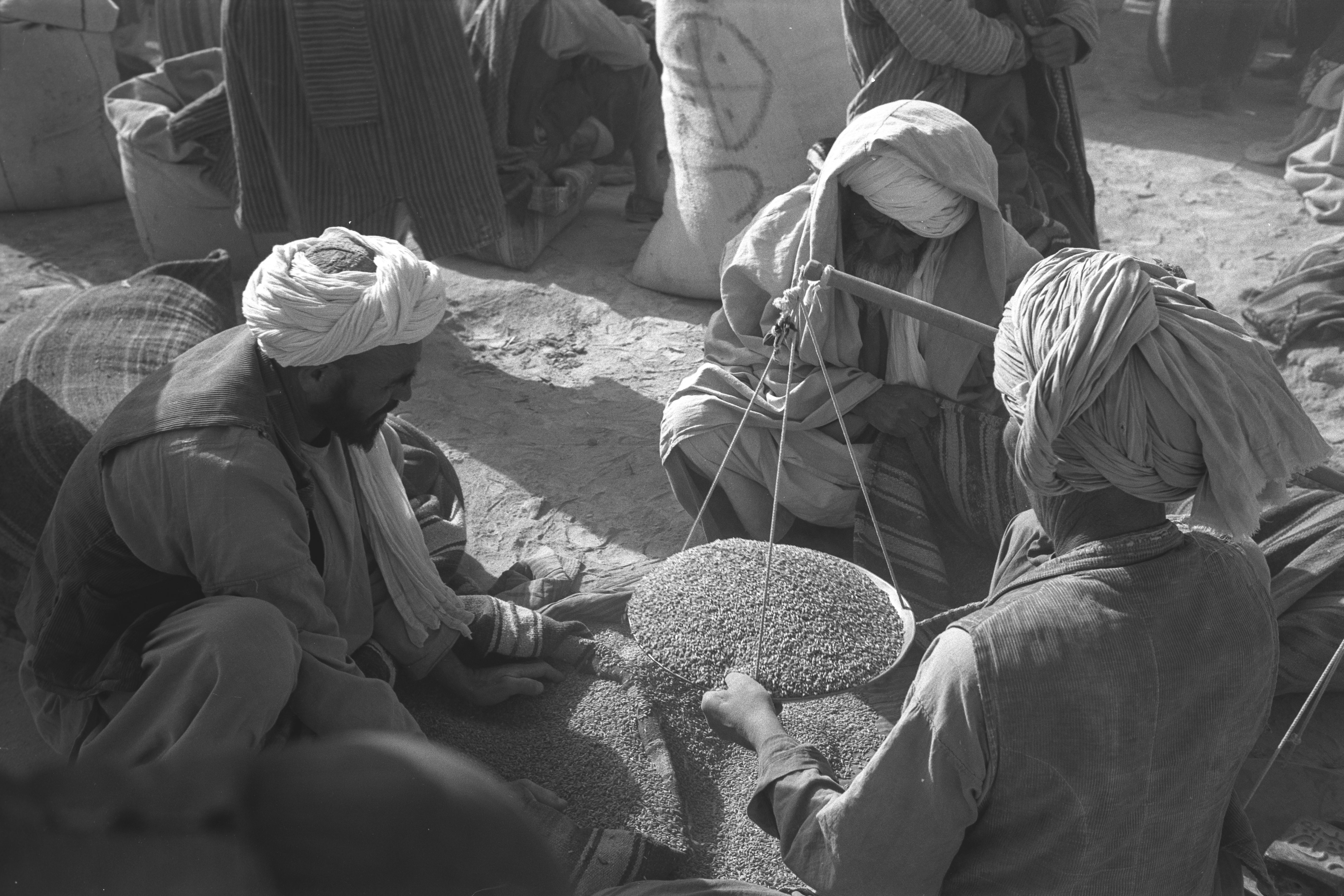
The surrounding region is known for its carpet weaving. Faryab produces some of Afghanistan's finest traditional rugs — deep reds, rich blues, and tight geometric patterns that have been traded on the Silk Road for centuries. The Maimana Bazaar in the centre of town is a working market, not a showcase, and the pace of life here follows rural Afghan rhythms. The Friday Mosque anchors the old town, and the bare Faryab Hills ring the city in every direction.

Travel to Maimana is difficult and, as of the mid-2020s, effectively impossible for most foreign visitors due to the security situation and near-total absence of foreign travel infrastructure throughout Afghanistan. The province has seen sustained conflict over many decades. Those with a specific reason to be here — journalists, aid workers — should check current conditions carefully before making any plans.

Guide

Getting There

Maimana is one of the more isolated provincial capitals in Afghanistan. There is no rail and no foreign air service. When domestic flights to Maymana Airport are running, they connect through Kabul or Mazar-i-Sharif and are by far the fastest way in.

Overland, the city is reached by road from Mazar-i-Sharif — a long drive of around 400 kilometres west on the so-called northern ring road, passing through Sheberghan and Andkhoy. The road has been gradually improved over the years, but conditions vary with the season and the security situation, and night driving is not advisable. From the south, the route from Herat over the Sabzak Pass into Badghis and on to Maimana is even longer and historically less secure.

Foreign travel to Afghanistan remains effectively closed for most independent travellers. Anyone considering the journey should have a clear reason to be here, reliable local contacts, and current advice on security.

Guide

Things to Do

Maimana is not a city built for sightseeing in the conventional sense — there are no famous monuments, no major museums, no carefully preserved historic quarter. What it offers is the texture of a remote northwestern Afghan town that has changed less than most: a working bazaar known for its carpets, a Friday Mosque at its centre, and the dry hills of Faryab Province rising in every direction. For visitors who somehow find their way here, the rewards are atmospheric rather than monumental.