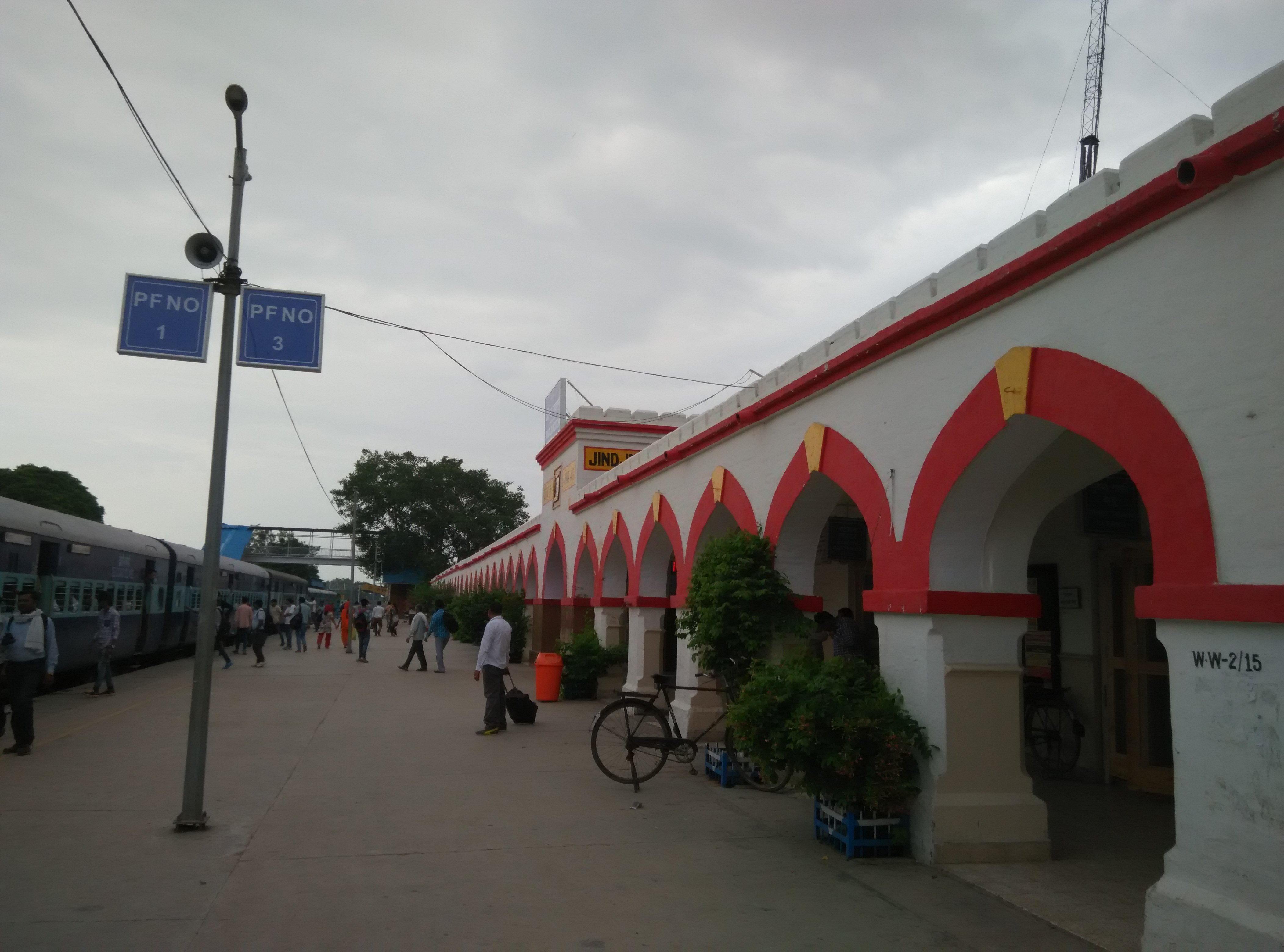
Haryana, better known as the Green Land of India, can be divided into two natural areas: the sub-Himalayan Terai and the Indo-Gangetic plain. The plain is fertile and has slopes from the north to the south with a height above the sea level, averaging between 700 and 900 ft. The South-west of Haryana is dry, sandy and barren. For most of the year, the climate of Haryana is of a pronounced character -very hot in summer and markedly cold in winter.
Chandigarh, the capital of both Haryana and Punjab, is despite the fact that it is quite strictly planned, a nice stop when you’re on your way to Amritsar or Leh. The city is known for the architectural mark the great French architect Le Corbusier left all throughout Chandigarh.
Haryana has a proud history going in the east, Punjab in the west, Himachal Pradesh in the north and Rajasthan in the south. The Union Territory of Delhi is landlocked on three sides by Haryana.
Lots more information on Haryana can be had on the following website:
www.haryana-online.com