Delhi is India's capital, its second-largest city, and, for a lot of travellers, the most overwhelming introduction to the country. Some people get on the first plane out; others are hooked for good. Either reaction is reasonable. What is certain is that Delhi is one of the great urban palimpsests of the world — seven or eight cities built on top of each other over a thousand years, ruled in turn by Rajputs, Delhi Sultanate dynasties, Mughals, and the British. All of those cities are still standing somewhere in the metropolis, and that is the particular fascination of the place.
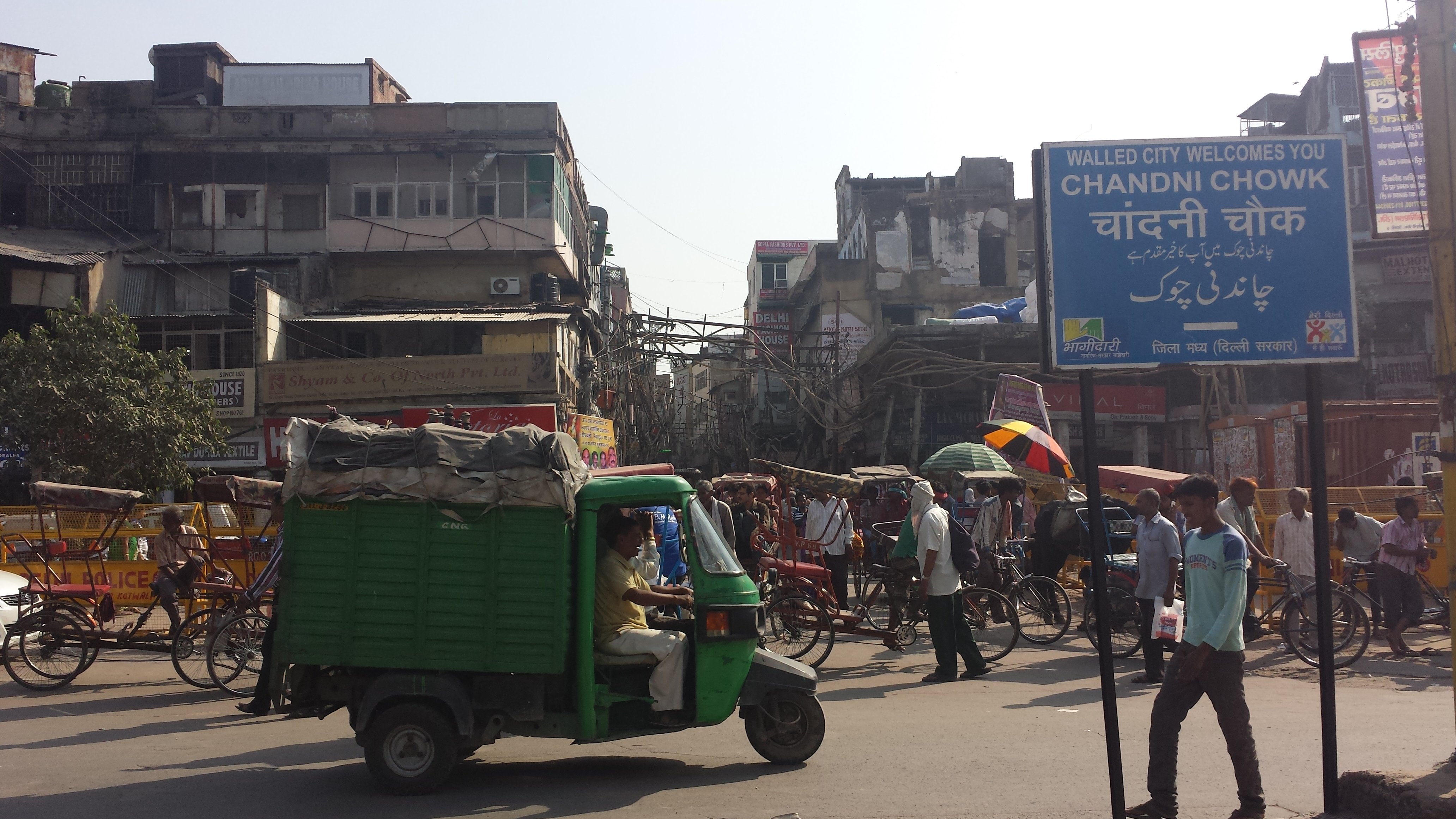
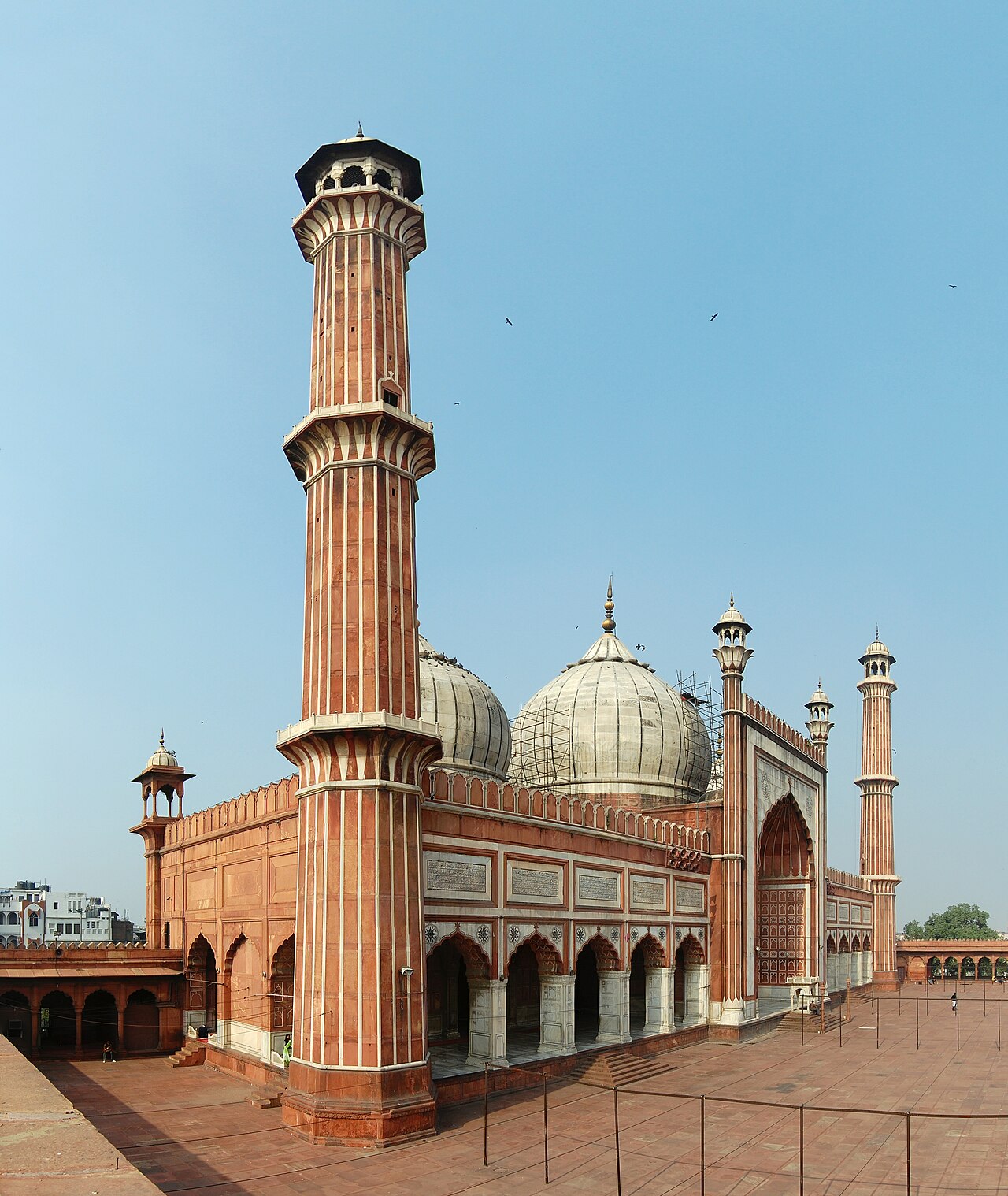
Old Delhi is the walled Mughal city of Shah Jahan, laid out in the 1640s. The Red Fort (Lal Qila) and the enormous sandstone Jama Masjid mosque anchor the skyline; the narrow lanes of Chandni Chowk between them are one of the greatest concentrations of street life anywhere in India. Rickshaws, ox-carts, motorbikes, and cows compete for space with shops that have been in business for centuries. Go hungry — Old Delhi is where the city's greatest street food lives.
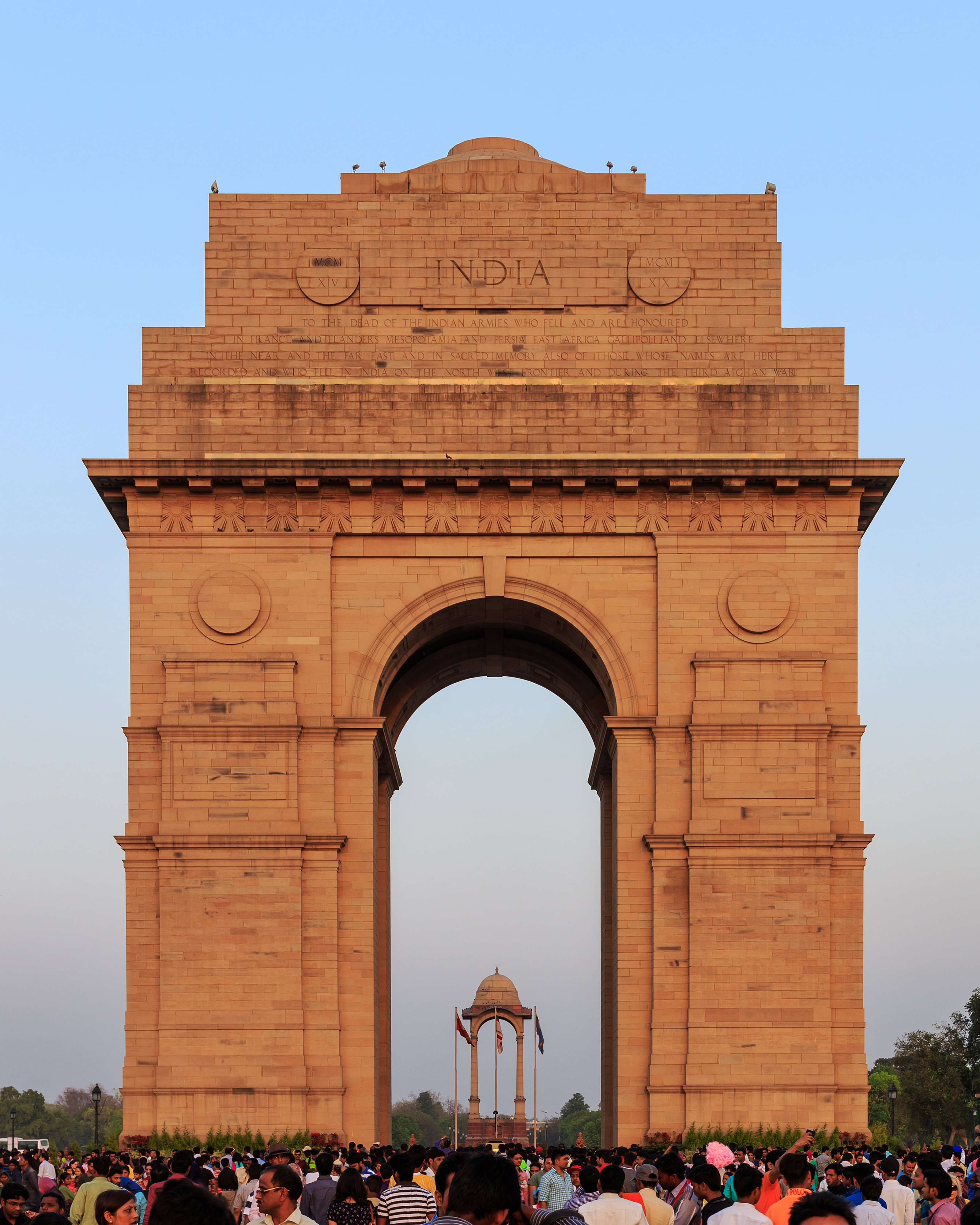
New Delhi, the British imperial capital designed by Edwin Lutyens and Herbert Baker in the 1910s, is a different city entirely. Wide avenues lined with neem trees radiate from the India Gate war memorial, past the Parliament and the Presidential Palace. The grand sweep feels more like Washington than Mughal India. Connaught Place, at the centre, is the main commercial district.
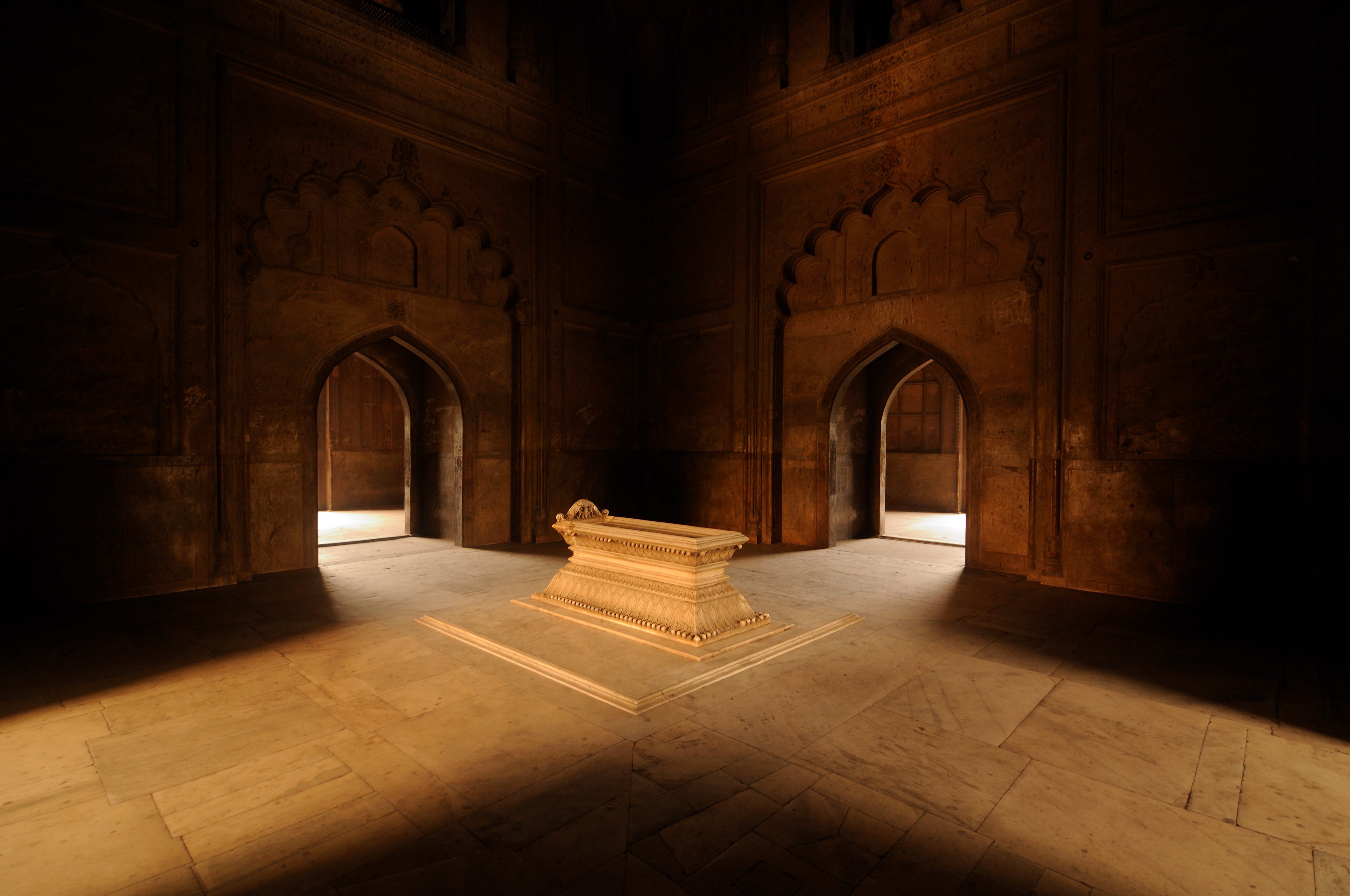
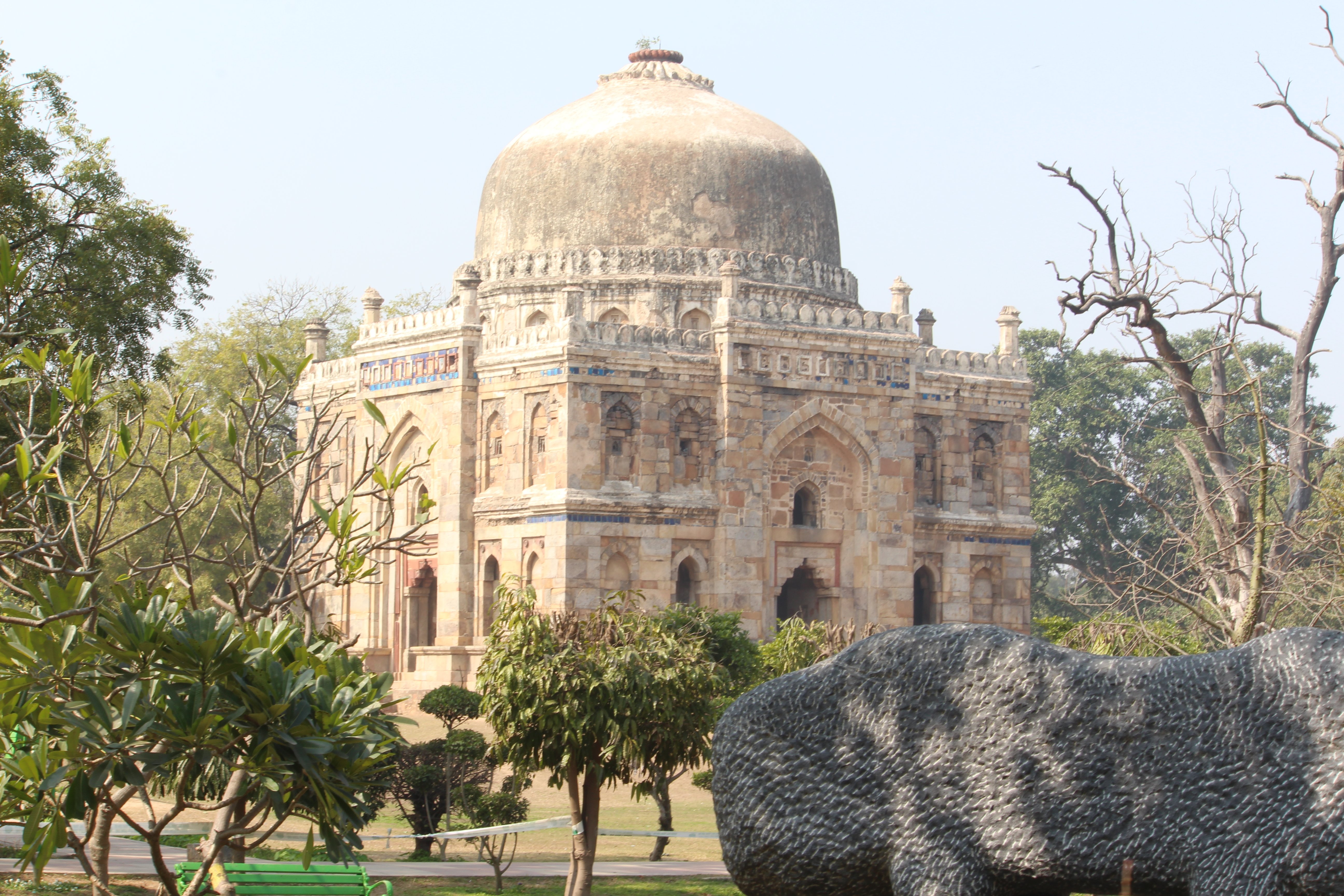
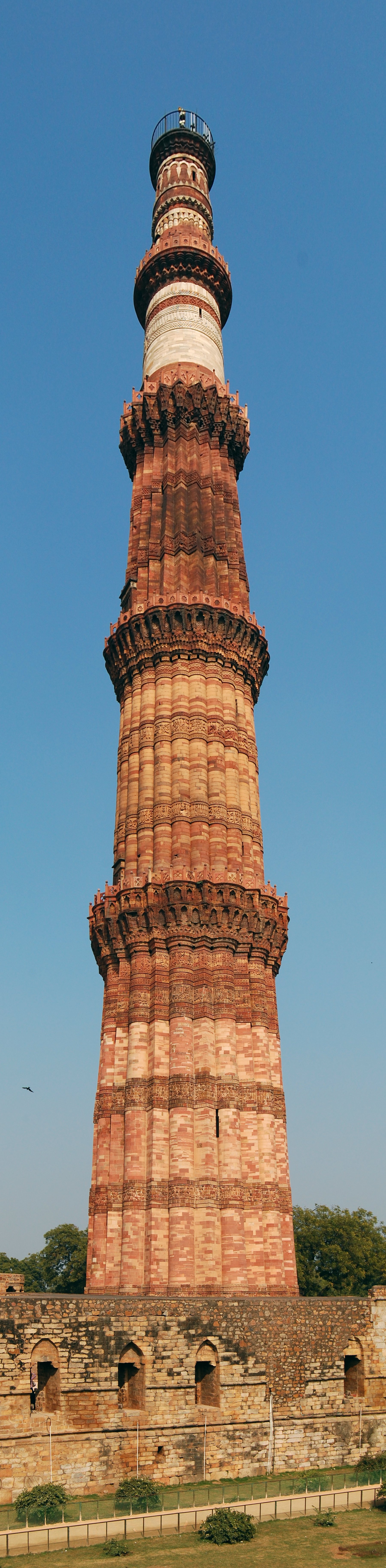
South of the centre, a band of Mughal tombs and ruins runs across the city. Humayun's Tomb — the 16th-century prototype for the Taj Mahal — is the most beautiful, set in formal gardens. Qutub Minar, further south, is a 73-metre sandstone minaret built in 1193. Lodhi Gardens, a park laid over a cluster of 15th-century tombs, is Delhi's finest green space. The Bahá'í Lotus Temple is a striking 20th-century counterpoint.
Delhi's neighbourhoods are sharply defined: Paharganj (Main Bazaar) near New Delhi Railway Station is the backpacker quarter; Khan Market is the upmarket food-and-retail strip of the diplomatic quarter; Hauz Khas Village, built around a 14th-century reservoir, is where the arty young middle class goes out; Majnu-ka-Tilla in the north is Tibetan Delhi. The Delhi Metro — modern, air-conditioned, extensive — has transformed how visitors can move between all of them.
The climate is brutal in summer (April–June, regularly 40°C+) and smoky in winter (November–January, the worst air-quality months in the world), with a short monsoon from late June to September. October and November, after the monsoon and before the smog, are the ideal time to be here.
Agra — for the Taj Mahal — is three hours south by fast train; Jaipur is four hours west. Many visitors use Delhi as the base for the "Golden Triangle" of the three cities.