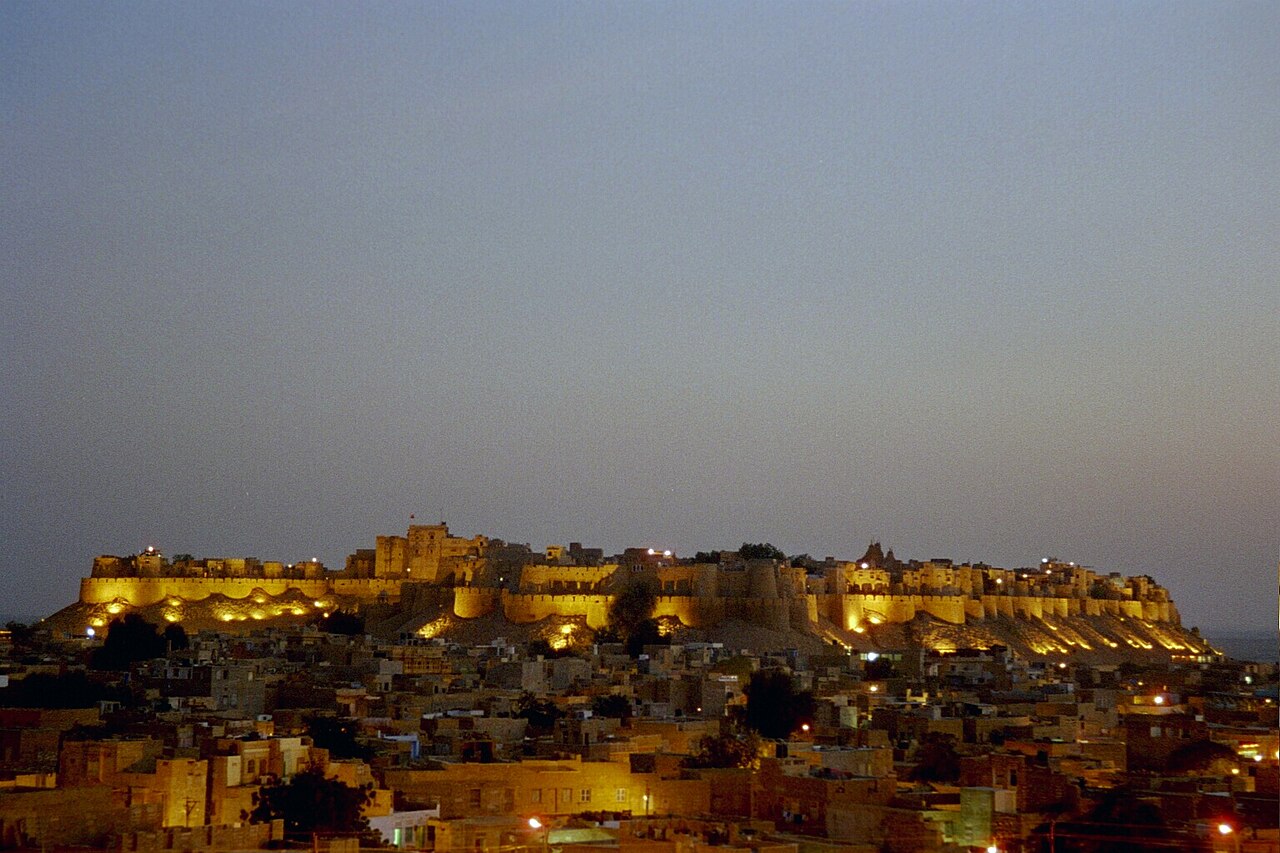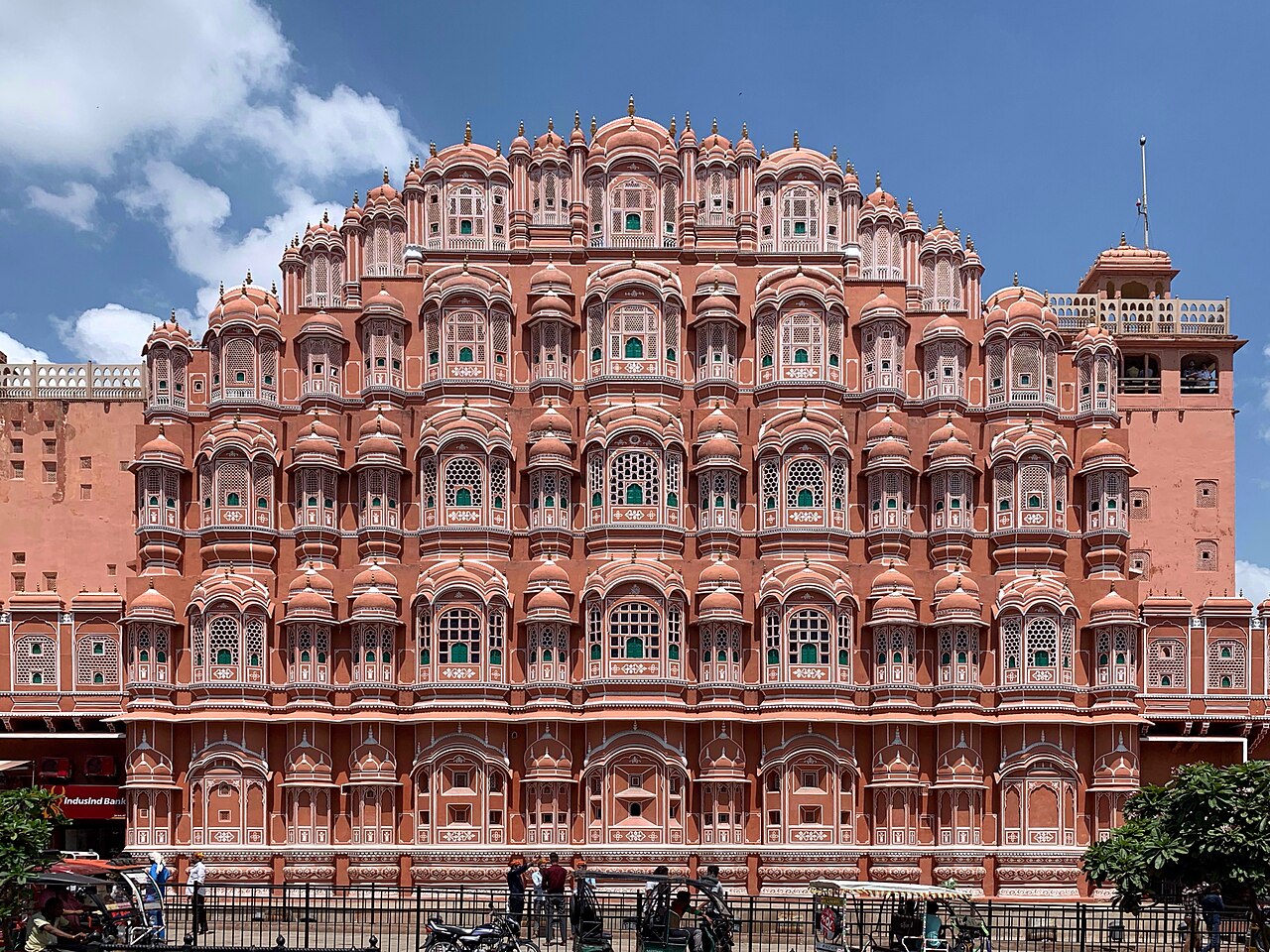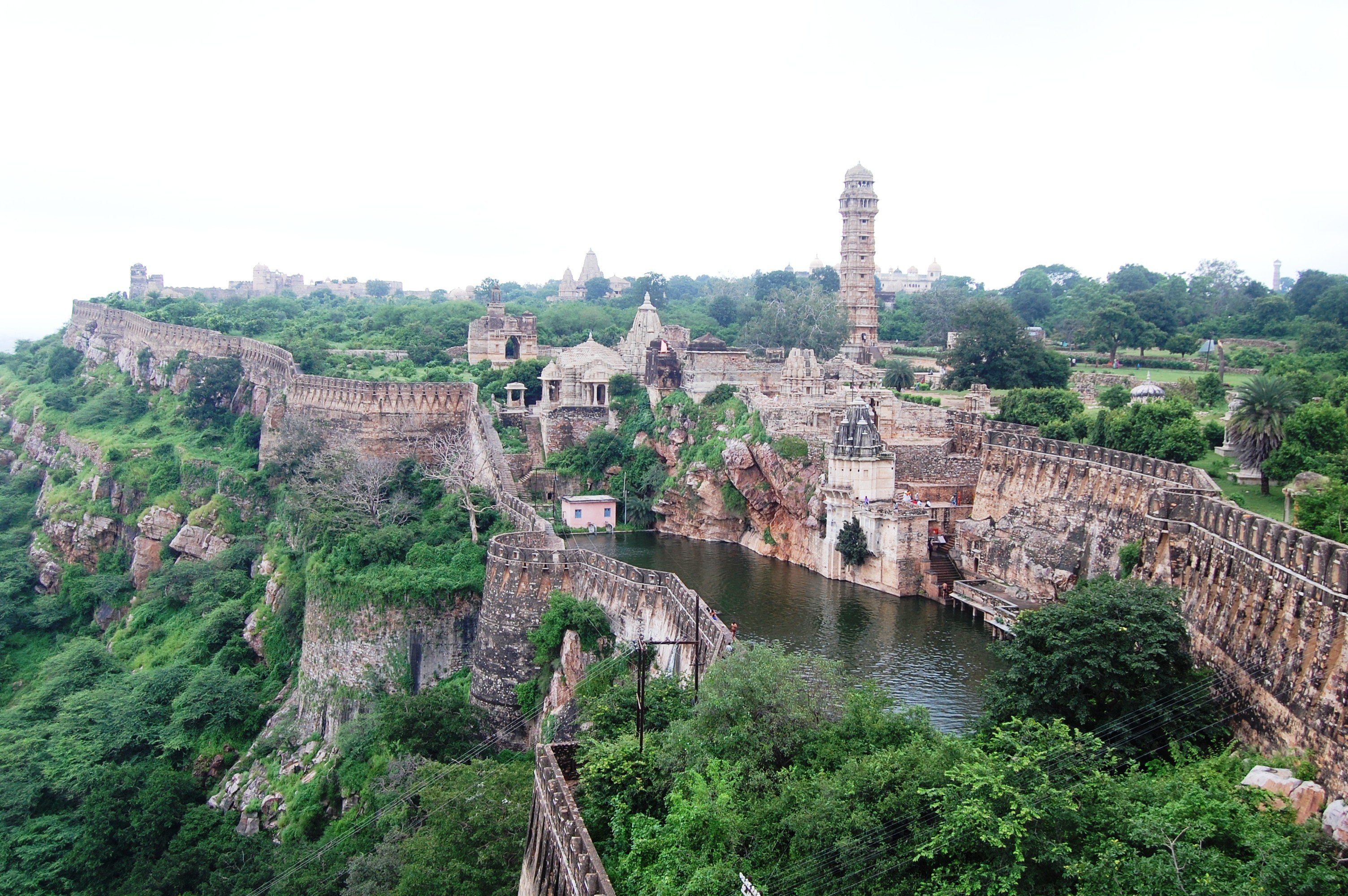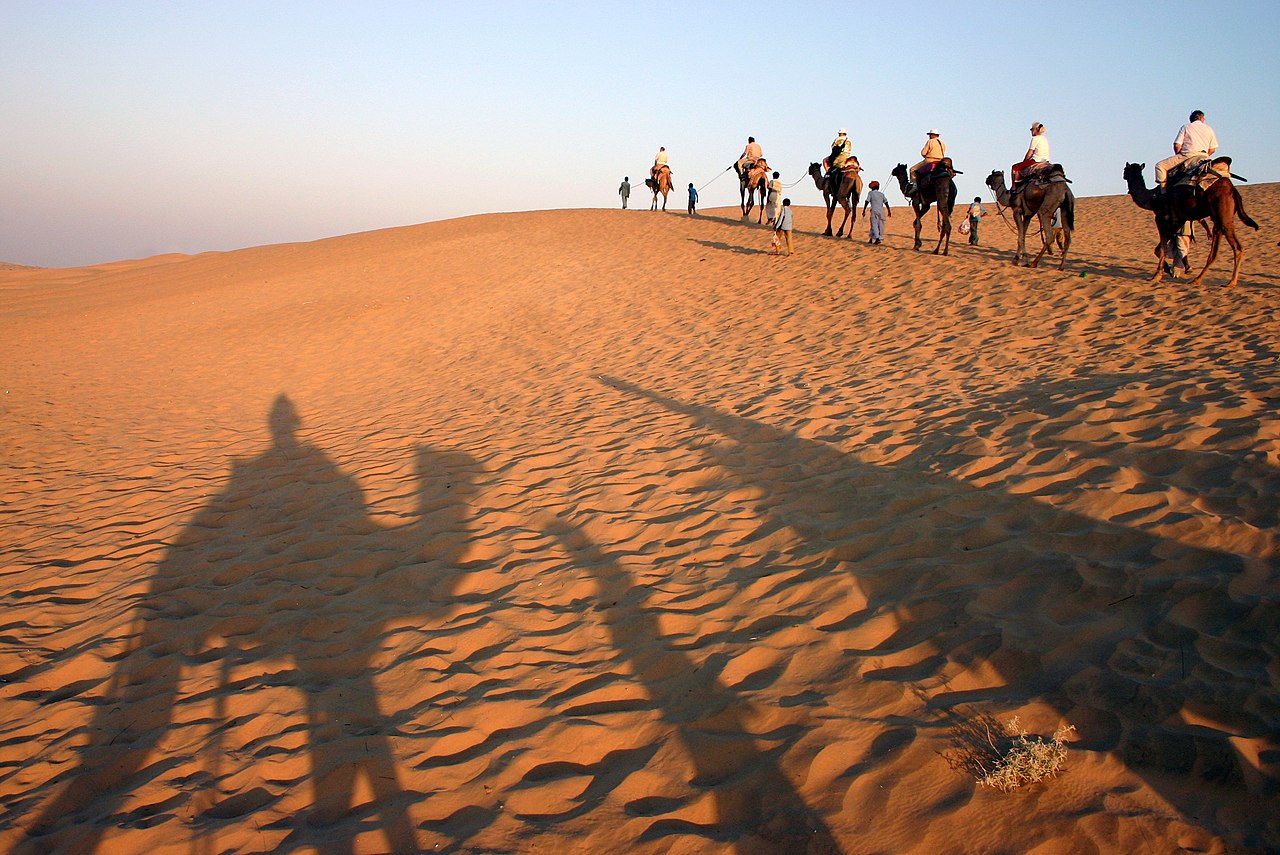
Rajasthan is India at its most vivid. This is the land of massive forts perched on desert ridges, palaces reflected in still lakes, and cities painted in single colors -- pink for Jaipur, blue for Jodhpur, gold for Jaisalmer, white for Udaipur. It is the most popular state in India for international tourists, and for good reason.
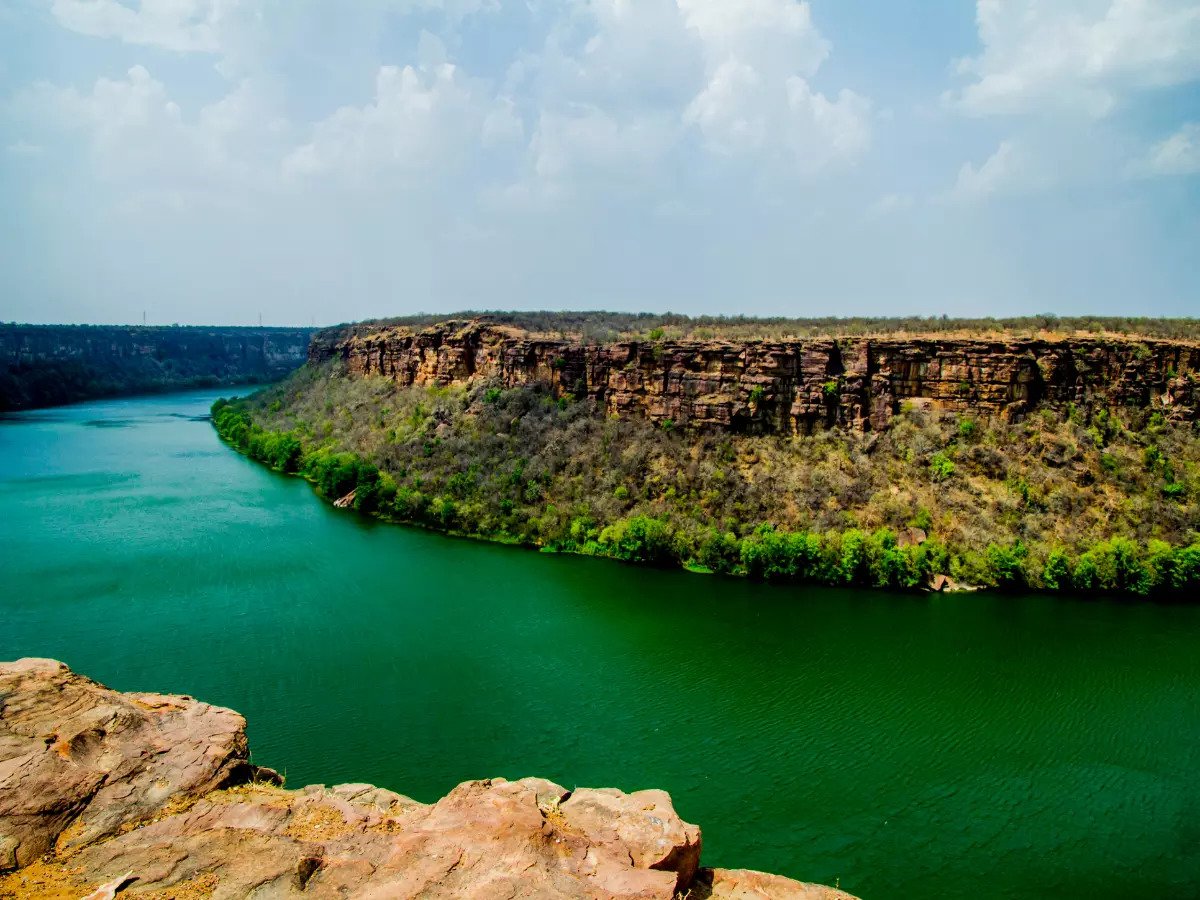
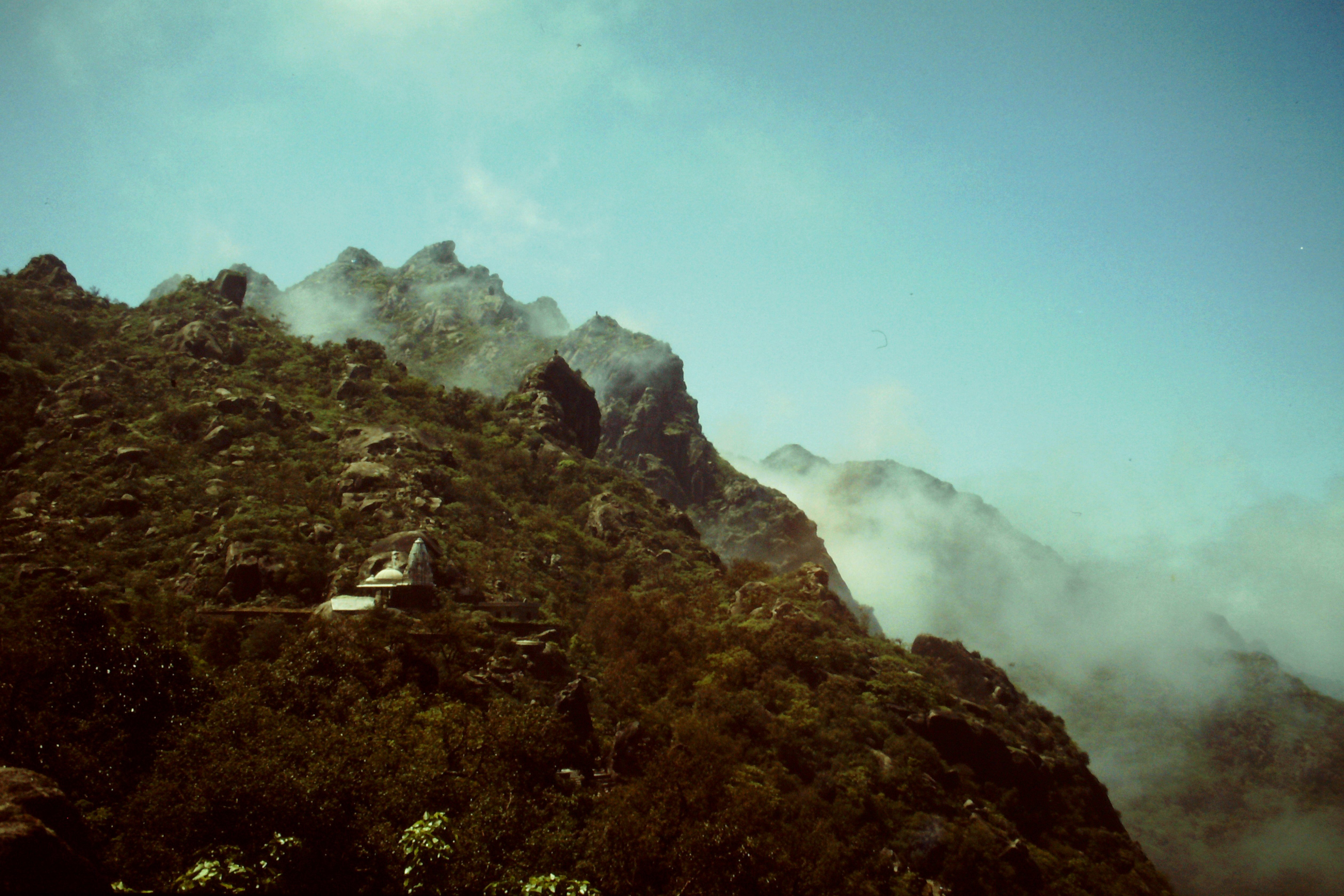
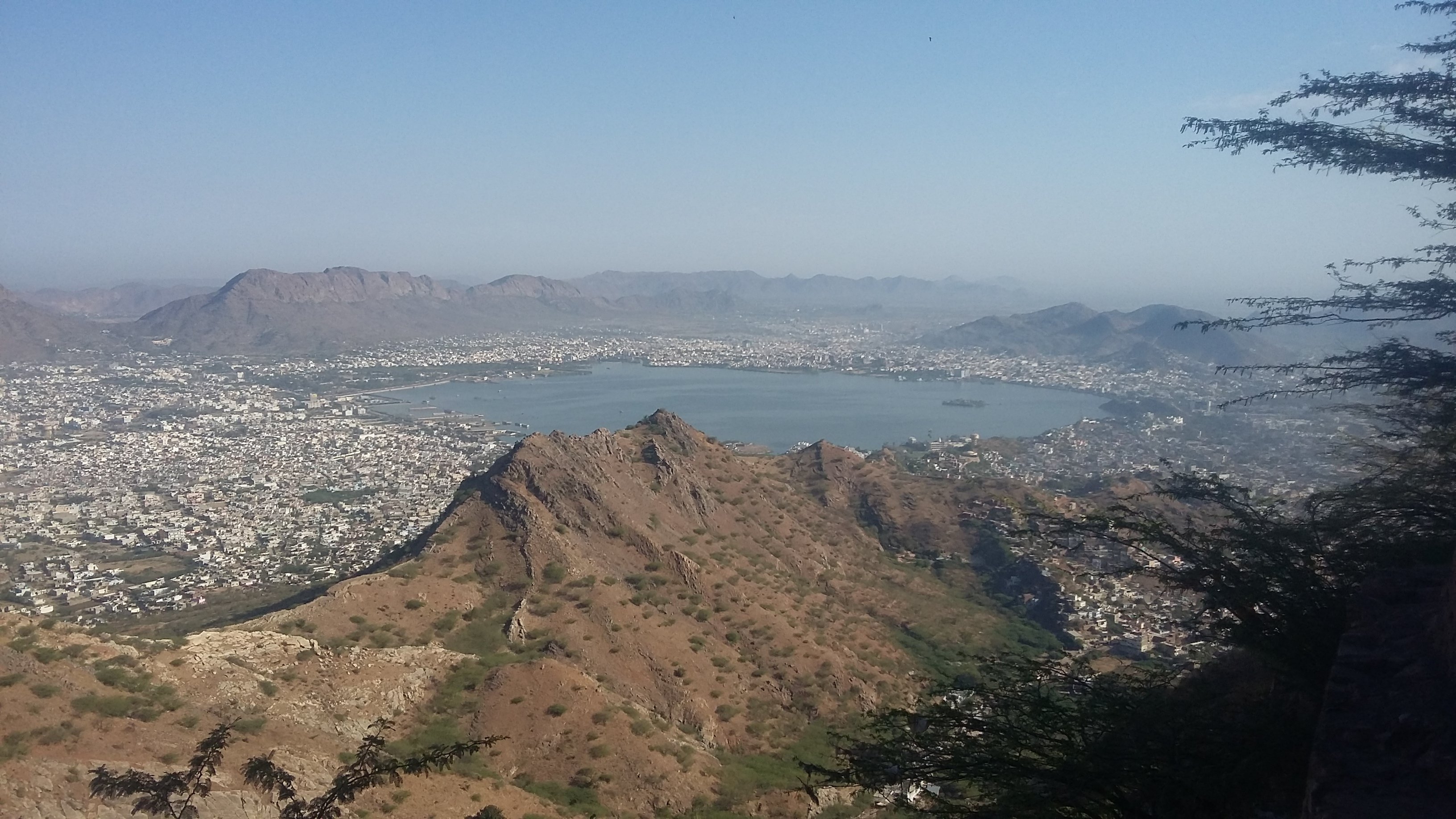
The Thar Desert dominates the west, but Rajasthan is more varied than the postcards suggest. The Aravalli Range cuts through the middle of the state, and the south around Udaipur is surprisingly green, with lakes and forested hills. Mount Abu, the only hill station in Rajasthan, feels like a different world entirely.
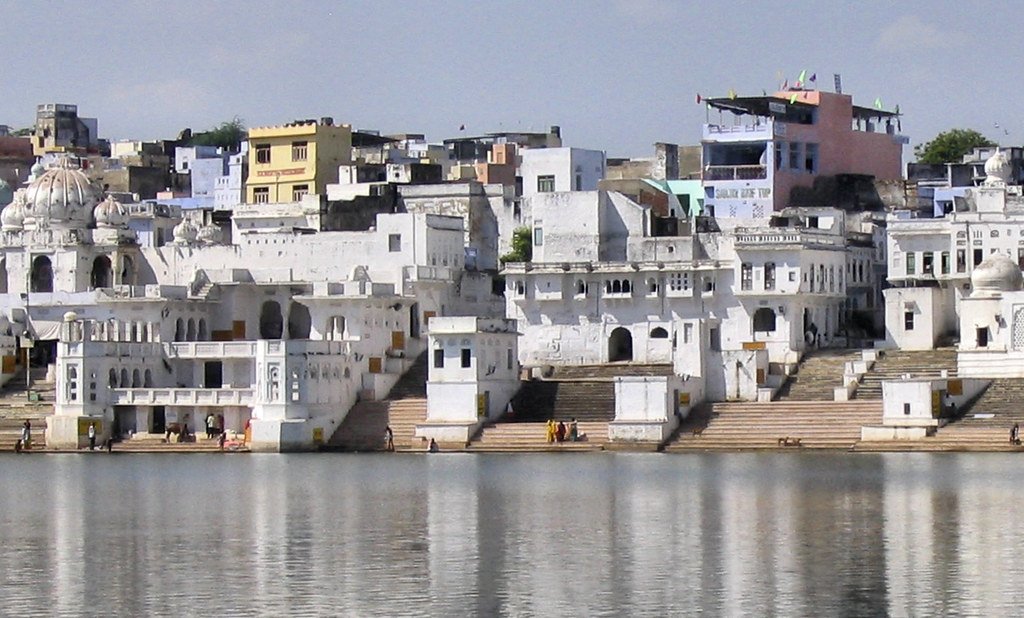
Most visitors follow a triangle between Jaipur, Jodhpur, and Udaipur, adding Jaisalmer for a desert detour. That route is popular for good reason, but smaller towns reward the extra effort. Bundi has the crumbling charm and painted havelis that Jaipur had before the tour buses arrived. Pushkar is a tiny lakeside pilgrimage town that hosts one of the world's great camel fairs every November. Bikaner has an underrated fort and far fewer crowds than its famous neighbors.
The best time to visit is October through March, when temperatures are manageable. Summer (April to June) is brutally hot, regularly exceeding 45 degrees in the desert cities. The monsoon (July to September) brings welcome rain but can make travel unpredictable.
Rajasthan's food is shaped by the desert: dal bati churma (lentils with baked wheat balls), ker sangri (desert beans), and laal maas (fiery red meat curry) are staples. Vegetarian food is excellent everywhere. The state is also one of India's great shopping destinations, with each city known for different crafts -- blue pottery and gemstones in Jaipur, bandhani textiles in Jodhpur, leather mojari shoes across the region.