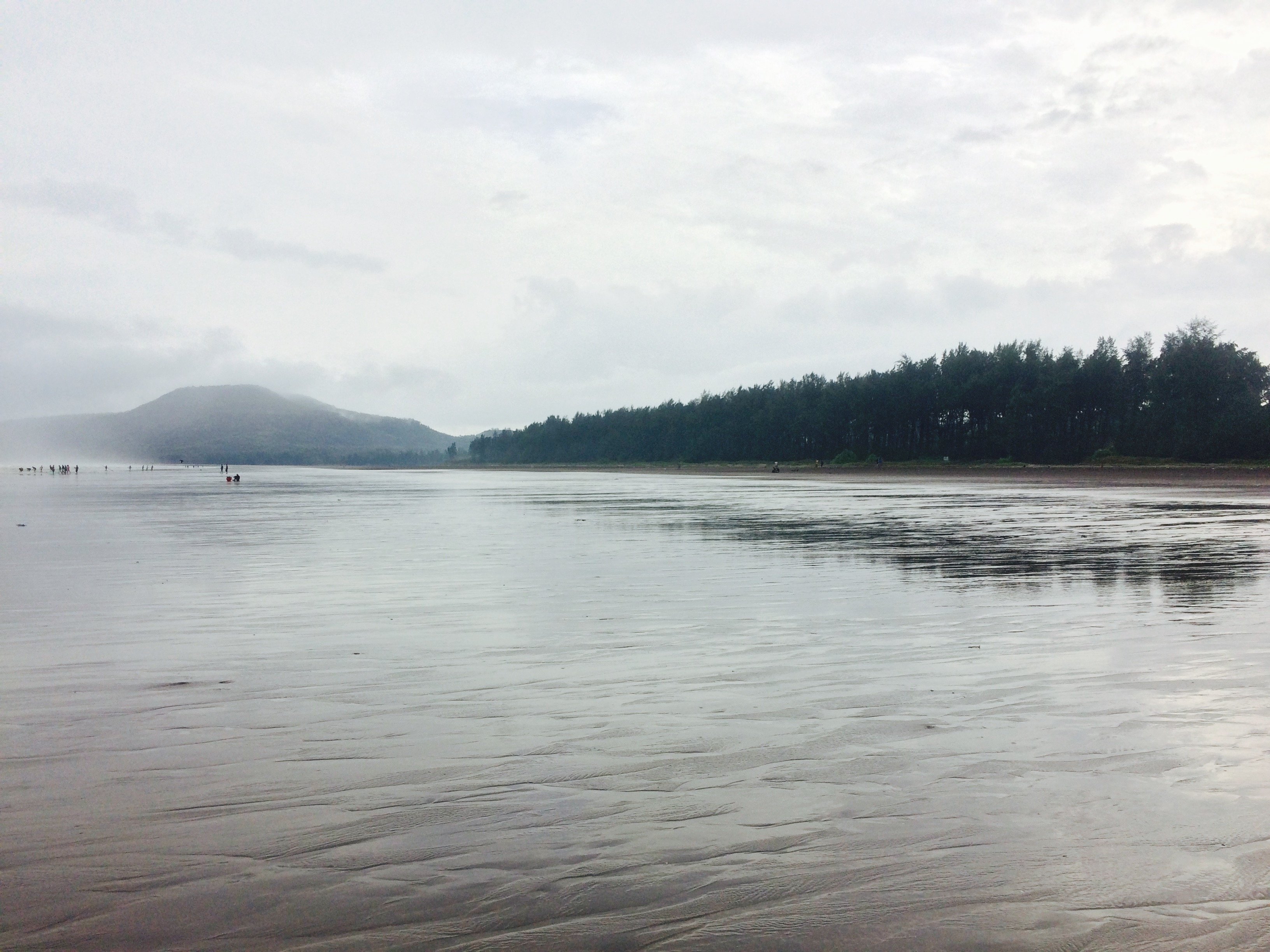
Diveagar
©
Diveagar

Diveagar

Konkan beach village south of Mumbai, with coconut groves, casuarina-backed sand, and a slow coastal pace.

Diveagar is a quiet beach village on the Konkan coast of Maharashtra, about 165 km south of Mumbai. It sits on a stretch of coast known for its clean, uncrowded beaches, coconut groves, and the easy pace of village life that has largely been pushed out of the more popular Goa resorts.

Diveagar Beach is long and sandy, backed by casuarina trees and coconut palms. The sea here can be rough during the monsoon, but from October to May it is calm enough for swimming. The Suvarna Ganesh Temple, built around a gold Ganesh idol unearthed in a betel-nut garden in 1997, draws a steady stream of pilgrims and gives the village its modern claim to fame. The older Rupnarayan and Uttareshwar temples are quieter five-minute stops on a walk through the village.

The village is small, and that is the point. There is no nightlife, no beach bar scene, and almost no tourist infrastructure beyond a handful of guesthouses and homestays. If you want a weekend away from the city without the crowds of Alibaug or the distance of Goa, Diveagar delivers.

Guide

Eating Out

The food here is what you would expect from a Konkan fishing village: fish, more fish, and the standard Maharashtrian thali for non-coastal days. Most of the eating happens at homestays and guesthouses rather than standalone restaurants — the kitchen at your accommodation is almost always the easiest option, and most will adjust the menu to whatever came off the boats that morning.

Specialties worth asking for: surmai (kingfish) fry in red Malvani masala, bangda (mackerel) thali, prawn curry with coconut, and sol kadhi — the pink, garlicky kokum-and-coconut drink that resets your palate after a fried fish lunch. A few small canteen-style places along the main village road do simple veg thalis for around 100–150 rupees; a non-veg thali with two pieces of fish runs closer to 250–350 rupees.

There are no bars and no alcohol service worth mentioning. If you want a beer with your fish, bring it with you.

Guide

Getting There

Diveagar is around 170 km from Mumbai and 200 km from Pune. Most people drive.

By car from Mumbai, take NH66 (the Mumbai-Goa highway) south to Mangaon, then turn west on SH97 to Mhasla and on to Diveagar. The road is reasonable; allow four to five hours including a stop. The last stretch, after Mhasla, is narrow and twists through the hills — slow but pretty.

By car from Pune, the route is through Tamhini Ghat and Mangaon. The ghat road is spectacular in the monsoon and dangerous in heavy rain; in dry months it cuts the drive to about four hours.

By bus, MSRTC runs services from Mumbai (Borivali, Dadar) and Pune to Mhasla, with local connections on to Diveagar. The Mumbai-Diveagar overnight option is grim but cheap. Private operators run Volvo coaches to Mhasla on weekends.

The Ro-Ro ferry from Mandwa to Mumbai (and the catamaran from Gateway of India to Mandwa) lets you skip the worst of the Mumbai traffic if you are coming from the city; from Mandwa it is about three hours by car to Diveagar.

The nearest railhead is Mangaon on the Konkan Railway (Mumbai-Goa line), about 50 km away, with auto-rickshaws and taxis available outside the station.

Guide

When to Go

October to February is the obvious sweet spot. The sea is calm, the humidity has dropped, the daytime temperature sits in the high twenties, and Mumbai weekenders fill up the homestays — book ahead for any weekend, especially Diwali and Christmas-New Year. Weekdays in this stretch are blissfully quiet.

March to May gets hot and sticky, but the beach stays usable and the crowds thin out. Pack for 32°C and high humidity.

June to September is the monsoon. The sea is dangerous, swimming is out, and most homestays drop their rates by half. If you like the look of a deserted Konkan beach in the rain, with palms thrashing and the village mostly indoors, this is the time — but it is not a sunbathing trip.

The big local event is Ganesh Chaturthi in August or September, when the Suvarna Ganesh temple is packed and the village is loud and joyful. Worth timing if you can handle the rain.